Introduction
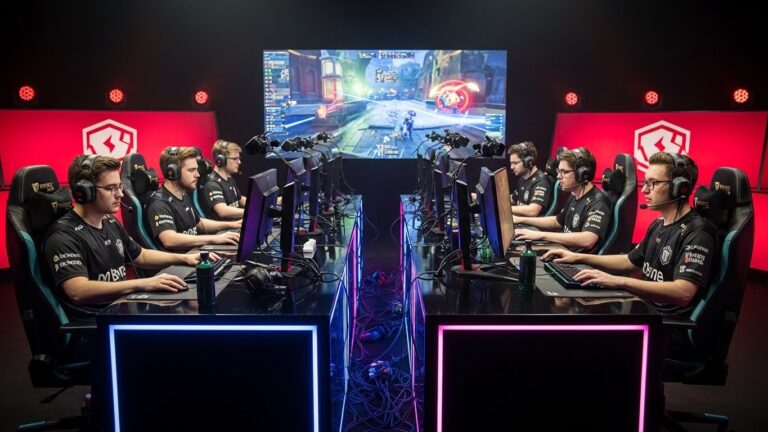
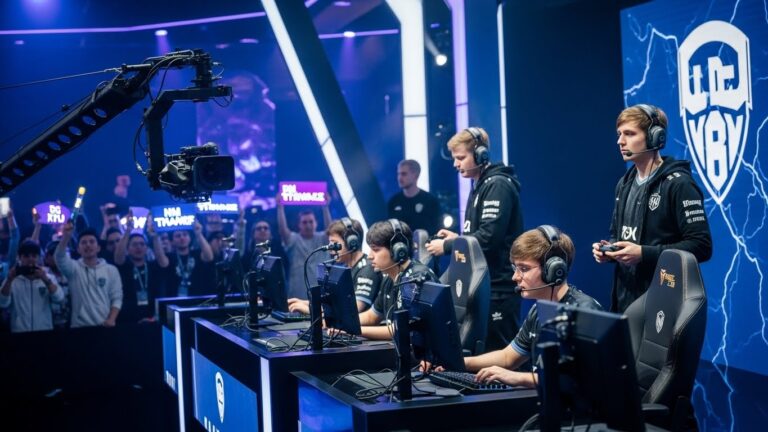
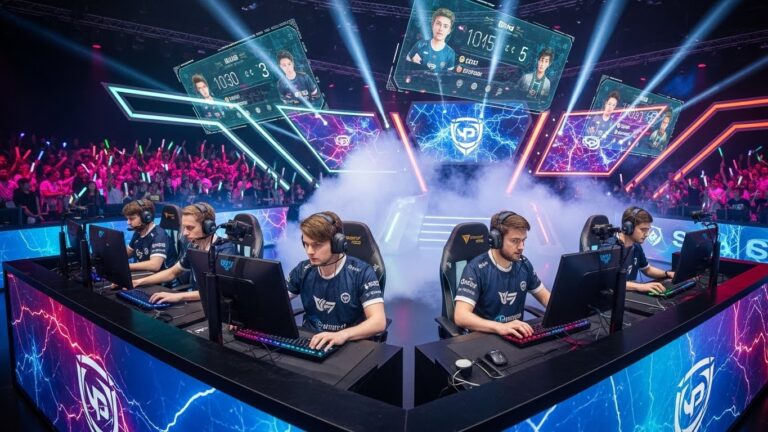
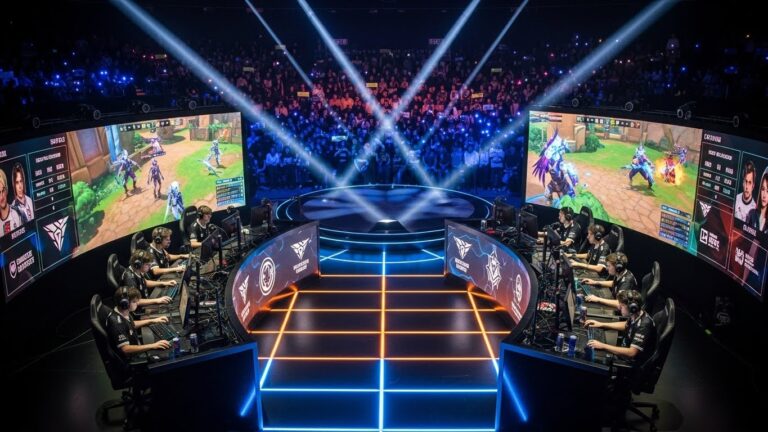
Esports has evolved into a multi-billion-dollar global industry, with professional organizations driving competitive gaming to unprecedented heights. In 2025, esports organizations are not just teams—they are full-fledged entertainment brands, combining elite player talent, content creation, sponsorships, and fan engagement. These organizations compete across multiple games, build massive followings, and help shape the future of digital sports.
This blog explores the top esports organizations in 2025, highlighting their achievements, games they dominate, and why they remain at the forefront of competitive gaming.
Team Liquid: A Legacy of Excellence
Founded in 2000, Team Liquid has grown into one of the most respected and versatile esports organizations in the world. With divisions in games such as League of Legends, Dota 2, CS:GO, and Valorant, Team Liquid is known for consistent performance and strategic innovation.
The organization emphasizes player development, coaching, and analytics, helping teams adapt and excel in the highly competitive esports landscape. In 2025, Team Liquid continues to be a dominant force in both North American and international tournaments, maintaining a loyal fanbase and high-profile sponsorships. Its success is built on professionalism, brand management, and a strong legacy in esports history.
T1: The Powerhouse of Korea
T1, formerly SK Telecom T1, is synonymous with excellence in esports, especially in League of Legends. The organization gained global recognition through multiple world championships, including the legendary achievements of Faker, one of the greatest esports players of all time.
In 2025, T1 continues to dominate international competitions while expanding into other games such as Valorant and PUBG Mobile. The organization combines player talent, rigorous training, and strategic insights to maintain its reputation as a top-tier esports brand. T1’s influence extends beyond competition, shaping esports culture in Korea and inspiring aspiring players worldwide.
Cloud9: North American Dominance
Cloud9 has emerged as a leading North American esports organization, competing at the highest level across multiple titles, including League of Legends, CS:GO, Hearthstone, and Super Smash Bros..
Cloud9’s success lies in its innovative approach to player recruitment, coaching, and content creation. The organization actively engages with fans through social media, streaming, and tournaments, creating a strong community around its brand. In 2025, Cloud9 remains a formidable presence in both domestic leagues and international events, known for adaptability and competitive excellence.
Fnatic: European Tradition Meets Global Reach
Founded in 2004, Fnatic is one of the oldest and most successful European esports organizations. Its teams compete across a wide array of games, including League of Legends, CS:GO, and Valorant, and have won numerous championships worldwide.
Fnatic’s approach combines professional performance with brand-building, merchandise, and content creation. The organization has also been instrumental in developing esports infrastructure and supporting grassroots talent. In 2025, Fnatic continues to represent European esports at the highest level while maintaining a global fanbase.
G2 Esports: Innovation and Entertainment
G2 Esports, based in Europe, is known not only for its competitive success but also for its entertainment-focused branding. With teams in League of Legends, Valorant, CS:GO, and Rocket League, G2 combines performance with personality-driven content that attracts millions of fans.
In 2025, G2 continues to innovate in esports marketing, fan engagement, and competitive play. The organization’s unique approach emphasizes both skill and charisma, making it a favorite among viewers and sponsors alike. G2 Esports demonstrates that blending competition with entertainment can create a powerful esports brand.
100 Thieves: Lifestyle Meets Competition
100 Thieves, founded in 2017, has rapidly grown into a major esports and lifestyle brand. The organization competes in games such as League of Legends, Valorant, and Call of Duty, while also producing content, apparel, and streaming experiences.
In 2025, 100 Thieves continues to expand its influence, leveraging its unique combination of esports performance and lifestyle branding. The organization has successfully bridged the gap between competitive gaming and pop culture, appealing to younger audiences and creating a new model for esports engagement.
TSM: Building Legacy in North America
Team SoloMid (TSM) is a cornerstone of North American esports, with a presence in League of Legends, Valorant, Apex Legends, and other major titles. Known for consistent domestic performance and competitive international appearances, TSM has built a strong reputation for professionalism and strategic gameplay.
In 2025, TSM continues to grow both competitively and commercially, partnering with top sponsors and expanding its content creation network. The organization focuses on nurturing talent, maintaining a strong fan community, and staying competitive in a rapidly evolving esports landscape.
FaZe Clan: Cultural Influence and Competitive Edge
FaZe Clan is more than a traditional esports organization; it is a cultural phenomenon. Known for Call of Duty, CS:GO, Valorant, and Fortnite, FaZe has leveraged esports success to become a lifestyle and media brand.
In 2025, FaZe Clan continues to dominate tournaments while also expanding into entertainment, music, and apparel. Its influence extends beyond gaming, creating a global community of fans who engage with both competitive content and lifestyle media. FaZe demonstrates that esports organizations can thrive both competitively and culturally.
Natus Vincere (Na’Vi): Eastern European Excellence
Natus Vincere, commonly known as Na’Vi, is a leading Eastern European esports organization with dominance in CS:GO, Dota 2, and other titles. Founded in 2009, Na’Vi has consistently produced top-tier players and won major championships.
In 2025, Na’Vi remains a powerhouse in international tournaments, combining experience, tactical expertise, and a loyal fanbase. The organization’s success lies in its focus on team synergy, training, and strategic gameplay. Na’Vi exemplifies the competitive spirit and excellence associated with Eastern European esports.
The Future of Esports Organizations
Esports organizations in 2025 are evolving beyond traditional team structures. Key trends shaping the future include:
- Diversification: Organizations are entering multiple games and genres to reduce risk and expand fan engagement.
- Content Creation: Beyond competitive play, organizations focus on streaming, social media, and lifestyle content to attract broader audiences.
- Global Expansion: Esports brands are increasingly establishing a presence in Asia, Latin America, and other emerging markets.
- Technology Integration: Advances in VR, AR, AI, and analytics enhance training, fan experiences, and tournament production.
The top esports organizations are no longer just about winning games—they are entertainment powerhouses, lifestyle brands, and cultural influencers.
Conclusion
Esports in 2025 is defined by organizations that blend competitive excellence, fan engagement, and innovative branding. Teams like Team Liquid, T1, Cloud9, Fnatic, G2 Esports, 100 Thieves, TSM, FaZe Clan, and Na’Vi exemplify how esports has matured into a global industry with immense influence and potential.
These organizations are not just winning tournaments—they are shaping the culture of esports, inspiring new generations of players, and setting the stage for the future of competitive gaming. As the industry continues to expand, these organizations will remain at the forefront, defining what it means to succeed in the fastest-growing entertainment market in the world.
About the Author