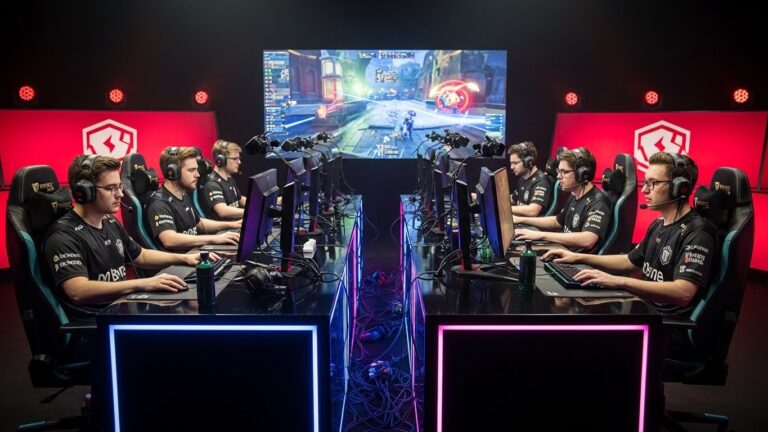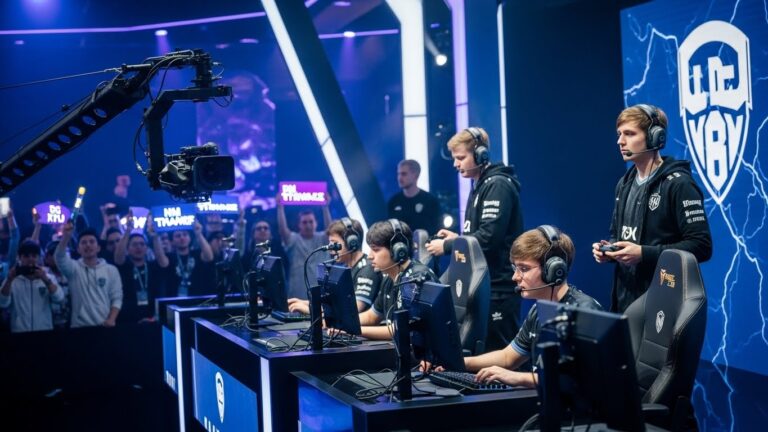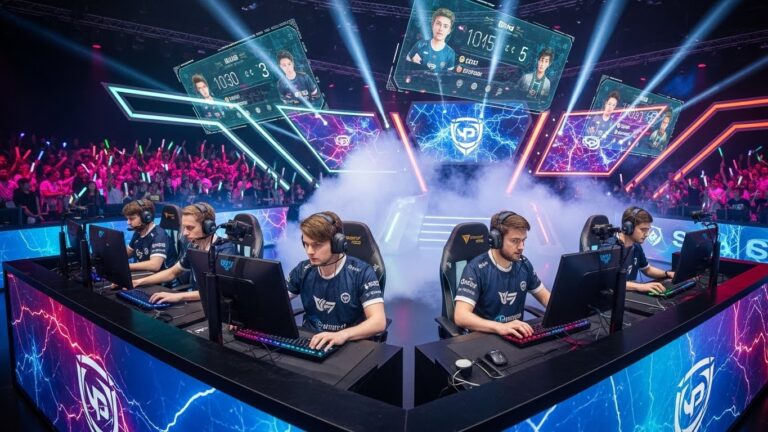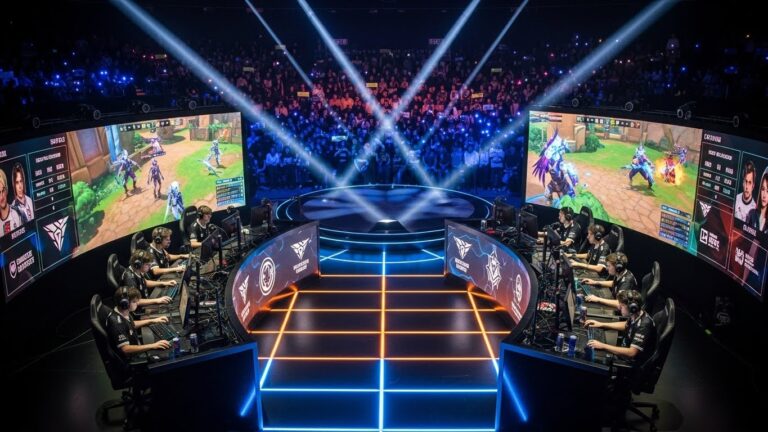
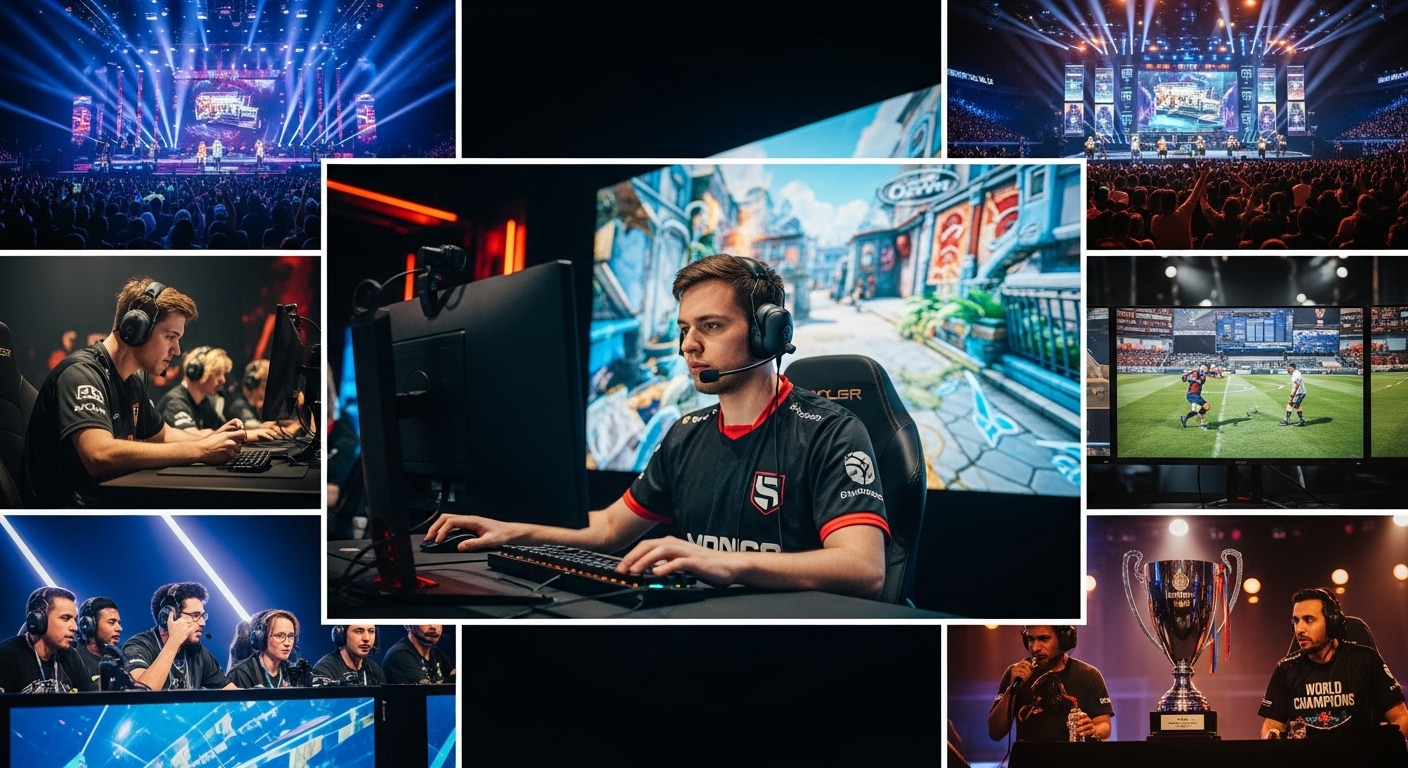
Esports, short for electronic sports, has undergone a dramatic transformation over the past two decades, evolving from a niche pastime for hobbyists into a global industry worth billions of dollars. Today, esports is not just a competitive activity—it’s a cultural phenomenon, with professional players, large fanbases, high-stakes tournaments, and lucrative sponsorships. Whether it’s the intense action of League of Legends, the strategic complexity of Dota 2, or the fast-paced thrills of Counter-Strike, esports has captured the attention of millions around the world. But what makes this form of competition so compelling, and what does the future hold for this rapidly growing industry?
In this blog post, we’ll explore the rise of esports, its impact on the gaming landscape, the key players in the industry, and what it takes to be a successful esports athlete. We will also delve into the challenges and opportunities that lie ahead for both the players and the industry at large.
The Rise of Esports: From Arcade Games to Global Phenomenon
The roots of esports can be traced back to the 1970s and 1980s, when competitive gaming first began in arcades. While these early competitions were largely informal and local, they paved the way for the more organized tournaments we see today. One of the first notable examples of competitive gaming was the Space Invaders Championship held in 1980, where players from around the United States competed for the title of the best Space Invaders player.
The real turning point for esports came in the late 1990s and early 2000s, with the rise of online gaming and the increasing accessibility of personal computers. Games like StarCraft and Warcraft III became staples of competitive play, particularly in South Korea, where esports was given a huge boost with the creation of dedicated television networks and sponsorship deals.
By the mid-2000s, esports was beginning to gain traction in the Western world as well. Major tournaments such as the World Cyber Games (WCG) and the Intel Extreme Masters (IEM) attracted global participants and viewers, and professional gaming teams began to emerge, laying the foundation for the large-scale organizations that dominate the industry today.
The advent of platforms like Twitch in 2011 further propelled the growth of esports by providing a space for gamers to stream their gameplay to a global audience. This revolutionized not only the way people consume gaming content but also how they engage with esports as a form of entertainment. With the ability to watch live matches, follow favorite players, and interact with communities, esports quickly became a mainstream phenomenon.
The Mechanics of Esports: How Competitive Gaming Works
At its core, esports is no different from traditional sports in terms of structure. Just like professional football or basketball, esports revolves around organized competitions, teams, and individual players striving for supremacy in a particular game. However, there are a few key differences that make esports unique.
Games That Define Esports
While there are hundreds of competitive games, certain titles have become synonymous with esports. These games have thriving competitive scenes, with dedicated players, teams, tournaments, and audiences. Some of the most popular games in esports include:
- League of Legends (LoL): Developed by Riot Games, LoL has become the gold standard for competitive gaming, boasting one of the largest global player bases and an incredibly lucrative esports scene. The League of Legends World Championship is one of the most-watched esports events annually, drawing millions of viewers.
- Dota 2: Known for its strategic depth, Dota 2 is a Multiplayer Online Battle Arena (MOBA) game developed by Valve. The International, Dota 2’s premier tournament, is notorious for its massive prize pools, sometimes reaching over $30 million, making it one of the richest esports tournaments in history.
- Counter-Strike: Global Offensive (CS:GO): A tactical first-person shooter (FPS) by Valve, CS:GO has remained a staple in the esports community since its release in 2012. The game’s emphasis on teamwork, strategy, and precision has made it a favorite for both players and fans.
- Overwatch: Developed by Blizzard Entertainment, Overwatch is a team-based FPS with unique characters, each with their own abilities and playstyles. The Overwatch League (OWL) has become a major professional esports league, with teams from across the globe competing at the highest level.
- Fortnite: While Fortnite is primarily known for its battle royale mode, its competitive scene has rapidly expanded, with major tournaments attracting millions of dollars in prize money. The game’s dynamic nature and appeal to a wide demographic make it one of the most successful esports titles in recent years.
Tournaments and Leagues
Esports competitions take place at various levels, from amateur tournaments to professional leagues. The most prestigious tournaments typically feature the top teams from around the world, competing for substantial prize money and the title of world champion.
- Major Tournaments: These are the grand events that define the competitive calendar. For example, the League of Legends World Championship and The International (for Dota 2) are the pinnacle of esports tournaments, offering huge prize pools and global attention.
- Professional Leagues: In addition to tournaments, many games have established professional leagues. For example, the Overwatch League (OWL) is a city-based franchise league with teams competing in a season-long format, similar to major traditional sports leagues like the NBA or NFL.
- Grassroots Competitions: In addition to the professional scene, many local and online competitions serve as entry points for aspiring gamers. These tournaments help build the foundation for future esports stars and provide opportunities for players to gain exposure.
The Role of Streaming
Streaming platforms like Twitch and YouTube Gaming have played an instrumental role in the rise of esports. These platforms allow players to broadcast their gameplay to a global audience, interact with fans in real-time, and build a personal brand. For many esports athletes, streaming is not just a side hobby but a full-fledged career, with top streamers earning significant revenue through ads, subscriptions, and sponsorships.
The accessibility of streaming has also helped foster a global community of esports enthusiasts, creating spaces where fans can discuss strategies, watch live competitions, and connect with their favorite players.
The Business of Esports: Money, Sponsorship, and Viewership
Esports has transformed into a multi-billion-dollar industry, with revenue streams spanning advertising, sponsorships, media rights, merchandise sales, and more. Major companies like Coca-Cola, Intel, and Mercedes-Benz sponsor tournaments, teams, and players, further legitimizing esports as a global business.
Revenue Streams
The primary sources of revenue for the esports industry include:
- Sponsorships and Advertising: Corporate sponsors are drawn to esports due to the large, engaged, and youthful audience. Companies pay substantial sums to have their products advertised during tournaments, on team jerseys, and across gaming streams.
- Media Rights: As esports continues to grow in popularity, media companies are increasingly interested in broadcasting major tournaments. Streaming platforms like Twitch and YouTube pay to secure the rights to broadcast these events, generating significant revenue.
- Merchandise Sales: Esports teams and players often have their own branded merchandise, which is sold to fans. This can include anything from clothing to signed gaming peripherals.
- Prize Pools: Competitive games like Dota 2 and Fortnite offer massive prize pools, sometimes reaching millions of dollars. These prize pools are often funded by game developers, tournament organizers, and crowd funding, where fans contribute to the prize fund.
The Audience: Global and Diverse
Esports has a massive, global audience, with fans tuning in from all corners of the world to watch their favorite games and players. In 2024, the esports audience is expected to reach over 500 million viewers, with the largest demographic being males between the ages of 18 and 34. However, the audience is becoming increasingly diverse, with more female viewers and younger generations engaging with esports content.
Esports events also attract viewers from a variety of platforms, including live streaming, television, and social media. Major events like the League of Legends World Championship regularly draw in millions of viewers, both online and in-person. Some tournaments have even been held in large arenas and stadiums, further emphasizing the scale and popularity of esports.
Becoming an Esports Athlete: Skills, Training, and Dedication
Esports athletes—often called “pro gamers”—are no different from traditional athletes in terms of the level of skill and dedication required. Competing at the highest level in esports requires a combination of hand-eye coordination, strategic thinking, and teamwork. For many professional players, gaming is a full-time career, and training schedules can be grueling.
Essential Skills for Esports Players
- Mechanical Skill: Reflexes, accuracy, and dexterity are crucial. Players need to be able to execute complex in-game maneuvers with precision, often under immense pressure.
- Strategic Thinking: Esports is as much about strategy as it is about execution. Players must be able to outthink their opponents, anticipate their moves, and work cohesively with their team.
- Communication and Teamwork: Team-based esports games rely heavily on effective communication. Players need to be able to work well with their teammates, coordinate strategies, and make split-second decisions.
- Mental Fortitude: Just like traditional athletes, esports players must be mentally tough. The ability to stay calm under pressure, maintain focus for extended periods, and bounce back from losses is vital to success.
About the Author