Introduction
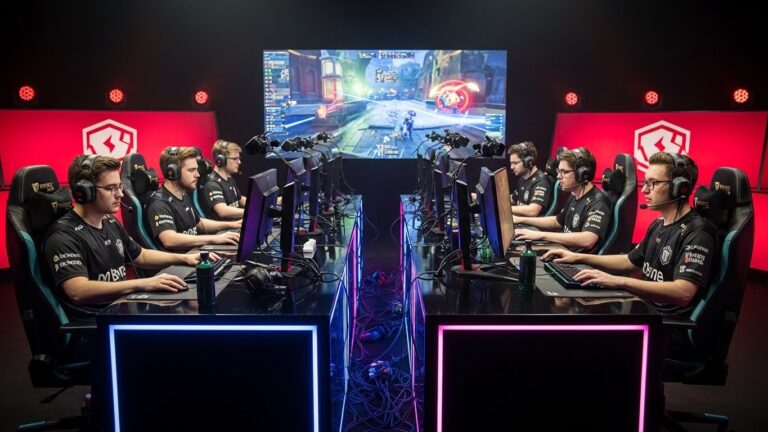
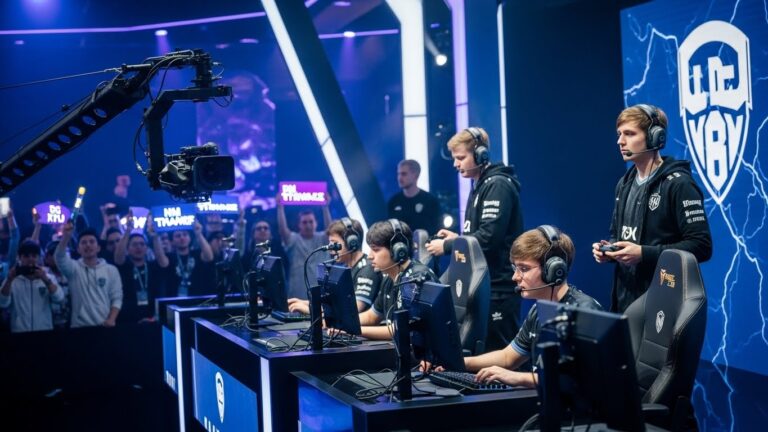
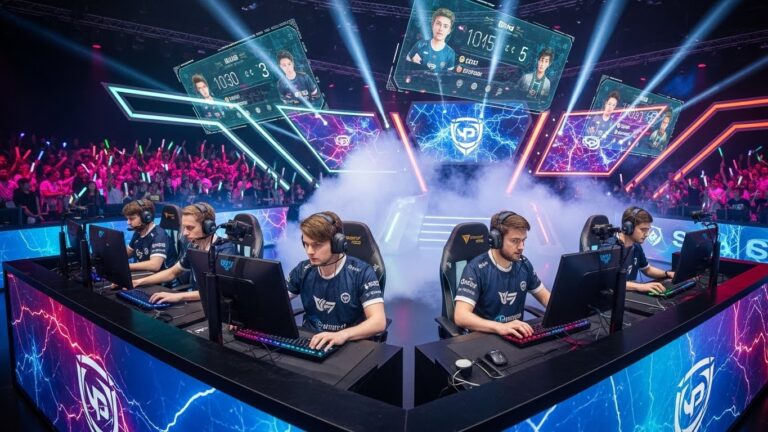
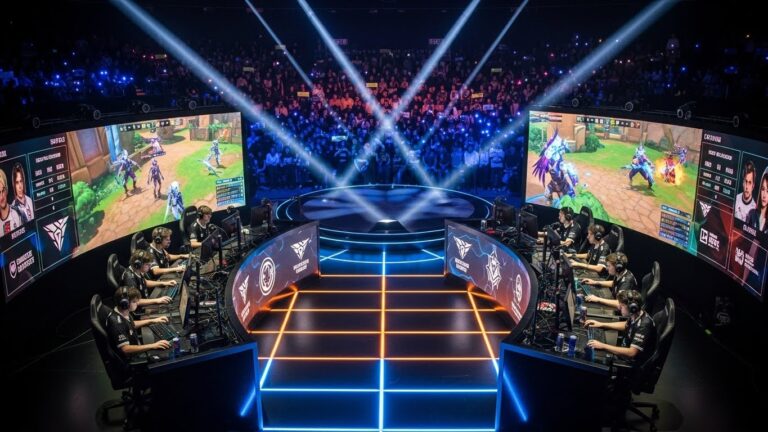
Esports, once a niche pastime confined to small gaming communities, has evolved into one of the most dynamic and influential entertainment industries in the world. From humble beginnings in college dorms and local LAN parties to massive global tournaments with millions of viewers, esports has transformed into a legitimate form of competition and a cultural force that is reshaping how we think about gaming, entertainment, and sports. With an estimated global audience of over 450 million people and growing, esports is rapidly gaining mainstream recognition. This blog post will delve into the origins of esports, its rise to global prominence, the impact on culture and society, and the future of competitive gaming.
The Birth and Evolution of Esports
The origins of esports can be traced back to the late 20th century, when competitive gaming was mostly limited to local tournaments. In the early 1980s, arcade games like Space Invaders and Pac-Man began drawing crowds, and it wasn’t long before competitive play started to form around them. One of the earliest examples of competitive gaming was the Space Invaders Championship in 1980, where players from around the United States competed for high scores. This was one of the first signs that video games could be more than just entertainment—they could be competitive.
The late 1990s marked a turning point for esports. As the internet began to expand and broadband connections became more widespread, online multiplayer gaming became possible. This opened up new avenues for competition, and games like Quake, StarCraft, and Warcraft fostered the first wave of professional gaming. The creation of online platforms like Battle.net allowed players from around the world to compete against each other, and by the early 2000s, professional gaming tournaments began to take shape.
In 2000, the World Cyber Games (WCG) and Electronic Sports World Cup (ESWC) were founded, and they became the first major international tournaments. As the years progressed, so did the scale of these events. Esports gradually became a mainstream phenomenon, with games like League of Legends, Counter-Strike, Dota 2, and Fortnite leading the way. Today, esports is not just a hobby for gamers; it’s a professional career path for many.
The Rise of Esports as a Global Industry
What started as small LAN parties and local tournaments has exploded into a multi-billion-dollar global industry. In 2021, the esports market was valued at over $1.08 billion, and the industry is expected to continue growing at a rapid pace. Professional gaming teams now compete in large-scale tournaments that offer prize pools reaching tens of millions of dollars. Tournaments like The International (Dota 2), League of Legends World Championship, and Fortnite World Cup have become global events, drawing millions of live viewers and viewers on streaming platforms like Twitch and YouTube.
Sponsorships and media rights have become significant revenue streams for esports organizations. Major brands, ranging from technology companies like Intel and Nvidia to consumer goods companies like Coca-Cola and Red Bull, are pouring millions of dollars into esports, either through team sponsorships, tournament partnerships, or product endorsements. The increasing media attention and sponsorship dollars have elevated esports from a niche activity to a recognized industry.
Streaming platforms have played an instrumental role in this transformation. Twitch, YouTube Gaming, and other platforms have become hubs where fans can watch live streams of professional gamers, chat with players, and engage with a global gaming community. In 2020, Twitch had more than 15 million daily active users, a testament to the platform’s influence in esports and gaming culture.
The Impact of Esports on Society and Culture
Esports has grown beyond just a form of entertainment; it has become a significant cultural force. It has reshaped the way people interact with games, with others, and with the world of competitive sports. At its core, esports fosters a sense of community and connection. Online multiplayer games bring players together from all over the globe, creating a unique sense of camaraderie, competition, and shared experience.
The rise of professional esports teams has also led to the development of fan cultures similar to those seen in traditional sports. Fans show immense loyalty to their favorite teams and players, often organizing fan clubs, creating merchandise, and engaging on social media platforms. Teams like Team Liquid, Cloud9, FaZe Clan, and G2 Esports have developed dedicated fanbases that rival those of traditional sports teams. These fanbases attend live tournaments, follow players on social media, and even engage in esports betting.
Esports has also made significant strides in breaking down social barriers. With its emphasis on skill over physical ability, esports has become more inclusive, providing a platform for people from diverse backgrounds to compete. Women and underrepresented groups are gradually gaining a foothold in competitive gaming, and many organizations are working to foster diversity and inclusion within the industry.
Furthermore, esports has bridged the gap between generations. Many esports fans grew up playing video games, but now they are joined by younger generations, creating a cross-generational connection through gaming. The accessibility of esports has also made it an attractive option for people who may not have the resources to participate in traditional sports.
The Professional Esports Career Path
Being a professional gamer requires more than just talent—it requires discipline, dedication, and an immense amount of practice. The most successful esports players often spend anywhere from 8 to 14 hours per day practicing their craft. This level of dedication is similar to that of traditional athletes. Players must not only master their game mechanics but also develop strategies, work with coaches, and improve their teamwork and communication skills.
Professional esports teams are structured like traditional sports teams, with coaches, analysts, and support staff to help players optimize their performance. In addition to their gaming skills, players must be able to manage their mental and physical health. Many esports organizations have hired psychologists and fitness coaches to ensure that players are in peak mental and physical condition. This holistic approach to training is necessary to compete at the highest level.
The success of professional esports players is often accompanied by fame and fortune. Many top-tier players have lucrative sponsorships, streaming deals, and even their own merchandise lines. For example, Tyler “Ninja” Blevins, a former Fortnite professional, became a household name, signing deals with major brands and streaming platforms. The ability to build a personal brand has become an essential part of an esports player’s career trajectory.
However, the career longevity of professional gamers can be short-lived. Due to the high level of competition and intense practice schedules, many players retire by their mid-to-late 20s. As a result, many former esports players transition into roles such as coaches, analysts, content creators, or streamers.
The Role of Streaming and Content Creation in Esports
Streaming has been a game-changer for esports, allowing fans to watch live events and follow their favorite players in real time. Platforms like Twitch and YouTube have allowed esports to thrive in a digital space, where fans can interact with players, discuss strategies, and build communities. Streaming has not only made esports more accessible but has also allowed players to carve out careers as content creators.
Many professional players also stream on platforms like Twitch, where they can interact with their fans while playing games outside of professional competition. This has added another layer to the esports experience, as fans can watch their favorite players casually compete, provide commentary, and engage in a more personal way. The combination of professional gaming and content creation has made many players not just athletes but celebrities in their own right.
Esports content creation has extended beyond gameplay. Players and teams often share personal stories, behind-the-scenes footage, and lifestyle content, giving fans an intimate look into the life of a professional gamer. This content helps humanize players and deepen the connection between them and their fanbase.
The Future of Esports
As esports continues to grow, the future looks brighter than ever. The industry is becoming more integrated into mainstream entertainment, with esports events being broadcast on major television networks and even included in multi-sport events like the Asian Games. There are even discussions about esports being included in the Olympics, further legitimizing it as a recognized competitive discipline.
The technological advancements in gaming hardware, software, and internet infrastructure will continue to enhance the esports experience. Virtual reality and augmented reality may become integral components of esports, offering even more immersive experiences for players and fans. Esports also has the potential to revolutionize education and career paths, as schools and universities are beginning to offer scholarships and degrees related to esports management, broadcasting, and game design.
Esports will continue to evolve, creating new opportunities for players, fans, content creators, and investors alike. As the global audience expands and the level of competition intensifies, esports will likely rival traditional sports in terms of viewership, revenue, and cultural influence.
Conclusion
Esports is no longer just a form of entertainment for gamers—it’s a global industry that connects millions of people, creates career opportunities, and reshapes how we define competition. From its origins in small LAN parties to its current status as a multi-billion-dollar phenomenon, esports has proven to be a driving force in the world of entertainment. As technology continues to advance and new generations of players and fans embrace the world of competitive gaming, esports will continue to thrive, evolve, and redefine the future of sports and entertainment. Whether you’re a casual fan or a dedicated competitor, one thing is clear: esports is here to stay.
About the Author