Introduction: The Digital Revolution of Competition
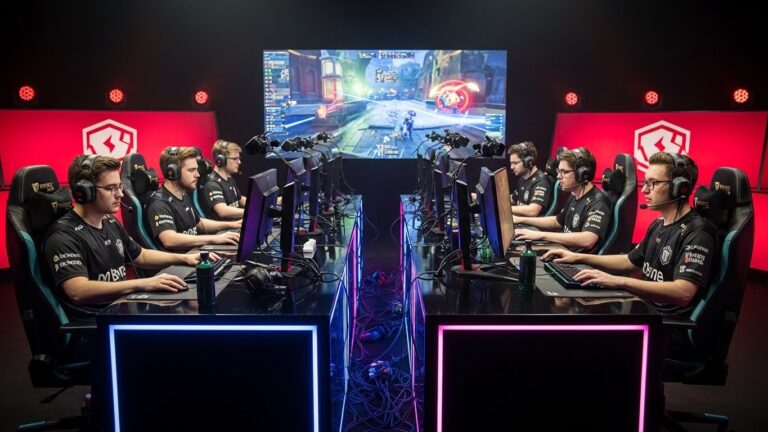
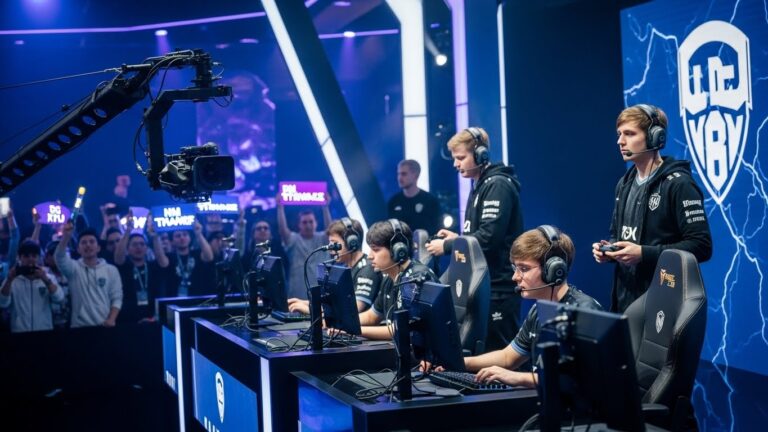
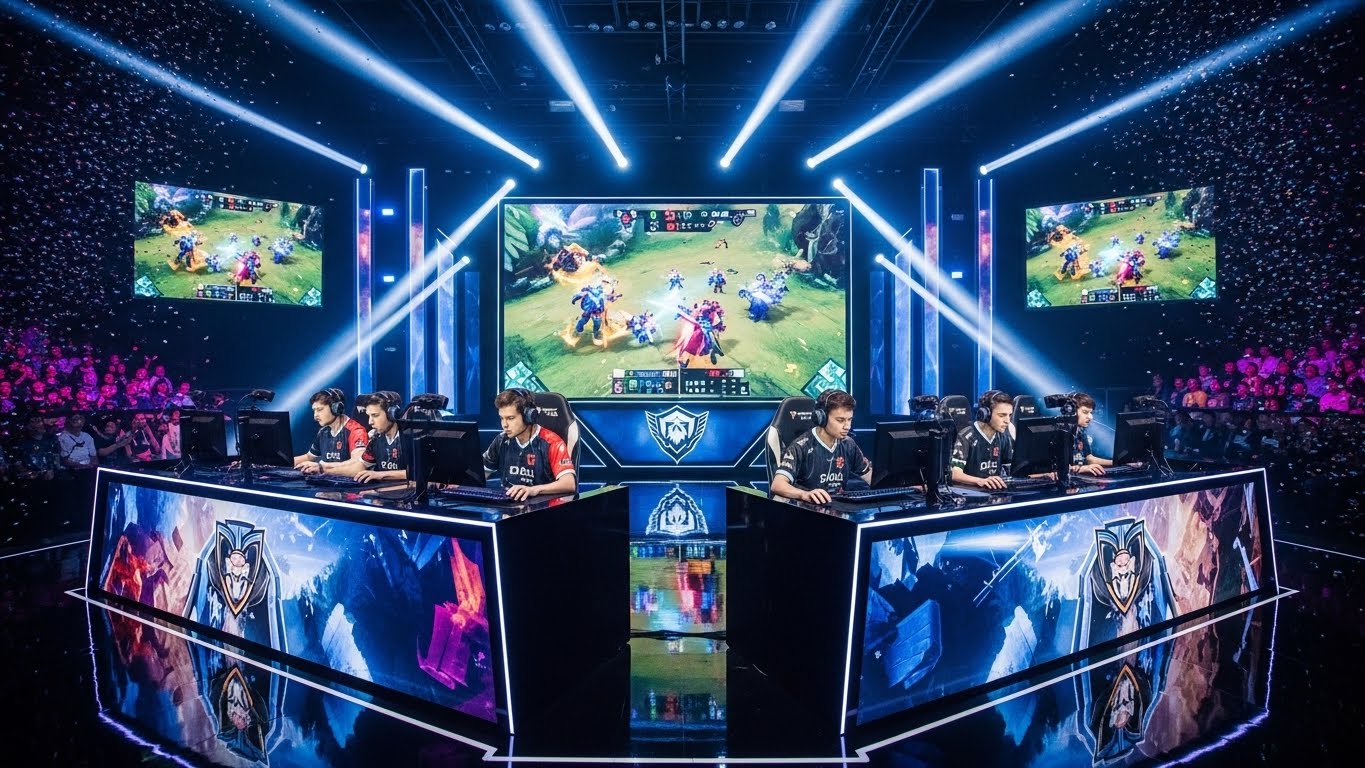
Over the past two decades, the world of competitive gaming, commonly known as esports, has evolved from niche online communities into a global phenomenon that attracts millions of fans and substantial investment. What was once considered a hobby for teenagers playing in their bedrooms has now grown into a professional industry with structured leagues, sponsorships, and international tournaments. The rise of esports marks a shift in the way society perceives gaming, highlighting its potential not only as entertainment but also as a legitimate career path and competitive sport.
The Evolution of Esports: From LAN Parties to Global Tournaments
Esports has roots in the early days of multiplayer video gaming. In the 1980s and 1990s, competitions were primarily local, taking place at LAN parties or arcade centers. Titles like Street Fighter and StarCraft became the foundation for organized competitive gaming. The introduction of high-speed internet enabled players to compete online, breaking geographical barriers and fostering the first global gaming communities. As streaming platforms emerged in the 2010s, esports reached new audiences, allowing fans to watch professional players in real-time, thereby accelerating the growth of the industry.
Popular Esports Titles and Genres
Esports encompasses a wide range of game genres, each with its unique competitive scene. Multiplayer online battle arena (MOBA) games such as League of Legends and Dota 2 dominate the market with strategic gameplay and high viewership. First-person shooters (FPS) like Counter-Strike: Global Offensive and Call of Duty emphasize precision, reaction time, and teamwork. Battle royale games, including Fortnite and PUBG, blend survival mechanics with competitive elements, creating massive tournaments that attract casual and professional players alike. Additionally, sports simulation games such as FIFA and NBA 2K provide a digital counterpart to traditional sports competitions, blurring the lines between physical and virtual athleticism.
The Business of Esports: Sponsorships, Teams, and Revenue Streams
The esports industry has transformed into a multi-billion-dollar business. Professional teams operate similarly to traditional sports franchises, with players receiving salaries, training, and marketing support. Major companies invest heavily in esports, sponsoring teams and tournaments to reach younger audiences. Streaming platforms generate revenue through advertisements, subscriptions, and virtual goods, while tournament organizers profit from ticket sales, merchandise, and broadcasting rights. This complex ecosystem has created sustainable career opportunities for players, coaches, analysts, and content creators, making esports a serious contender in the entertainment and sports markets.
The Role of Streaming and Content Creation
Streaming platforms such as Twitch, YouTube Gaming, and other digital services have revolutionized the way audiences engage with esports. Fans can watch live matches, learn strategies from top players, and interact with communities through chat and social media. Content creators often serve as ambassadors for their favorite games, fostering loyalty and expanding viewership. Beyond competitive play, streamers showcase creativity, humor, and personality, turning gaming into a form of interactive entertainment. This integration of competition and content creation has solidified esports as a mainstream cultural phenomenon.
Global Impact of Esports
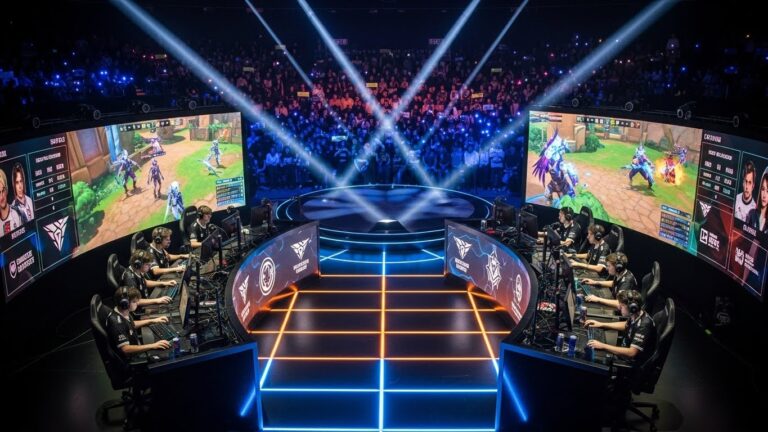
Esports is no longer limited to a few countries with established gaming cultures. Its influence spans continents, with Asia, North America, and Europe leading the market, while regions in Latin America, the Middle East, and Africa are emerging rapidly. South Korea is widely regarded as the birthplace of modern esports, with professional leagues and televised competitions dating back to the early 2000s. China has invested heavily in infrastructure, making esports a national priority with government support. In the United States and Europe, collegiate esports programs and professional leagues have created pathways for young players to pursue careers, while international tournaments like The International and the League of Legends World Championship draw millions of viewers globally.
The Psychological and Social Dimensions of Esports
Competitive gaming is not just about skill; it also involves mental resilience, teamwork, and strategic thinking. Professional players must maintain focus under pressure, manage stress, and adapt quickly to dynamic in-game situations. The social aspect of esports is equally significant, as players build communities, form friendships, and engage with fans. Online tournaments encourage cultural exchange and collaboration across borders, fostering a sense of global camaraderie. However, the esports industry also faces challenges related to mental health, burnout, and the pressure of maintaining peak performance, highlighting the need for proper support systems and well-being initiatives.
Technological Innovations Driving Esports
Esports thrives on cutting-edge technology. High-performance gaming hardware, ultra-fast internet connectivity, and advanced software tools enable seamless gameplay and accurate competition. Virtual reality (VR) and augmented reality (AR) are beginning to redefine gaming experiences, allowing players and spectators to immerse themselves in digital arenas. Artificial intelligence is also being utilized to analyze player performance, predict outcomes, and enhance game design. These technological advancements not only improve gameplay quality but also expand opportunities for interactive and immersive spectator experiences.
Challenges Facing the Esports Industry
Despite its rapid growth, esports faces several challenges. Standardizing rules and regulations across different games and regions remains difficult, which can affect fairness and credibility. Player burnout and short career spans are concerns, as the industry demands high performance and constant practice. Additionally, issues related to cheating, match-fixing, and online harassment can undermine the integrity of competitions. Addressing these challenges requires collaboration among game developers, league organizers, and the broader community to create sustainable and ethical practices for the future of esports.
The Future of Esports: Mainstream Recognition and Beyond
The future of esports looks promising, with increasing recognition as a legitimate sport. Countries are considering esports for inclusion in multi-sport events and even the Olympics. Advancements in technology, combined with growing global interest, suggest that esports will continue to expand in scope and influence. As virtual and physical worlds increasingly converge, esports could redefine entertainment, education, and professional competition, offering new opportunities for players and audiences alike. The evolution of esports also hints at a broader cultural shift, where digital experiences hold as much value as traditional forms of competition.
Conclusion: Esports as a Cultural and Competitive Phenomenon
Esports has evolved far beyond its origins as a hobby for enthusiasts. Today, it represents a complex ecosystem encompassing professional competition, global fandom, technological innovation, and substantial economic impact. Its growth challenges traditional perceptions of sports, entertainment, and digital culture, while providing a platform for players to excel and audiences to engage in meaningful ways. As esports continues to mature, it stands as a testament to the transformative power of gaming and the enduring appeal of competition in the digital age. Its rise is not merely a passing trend but a reflection of how technology and creativity can redefine what it means to compete, connect, and entertain in the modern world.
About the Author