Introduction: A New Era of Competition
Once upon a time, video games were seen as a pastime — something children played after school or adults used to unwind after a long day. But in the last two decades, gaming has evolved into something far more significant. What was once considered a niche hobby has become a billion-dollar industry, complete with professional athletes, global tournaments, dedicated arenas, and massive audiences. This phenomenon is known as Esports, short for electronic sports, and it represents one of the most remarkable cultural shifts of the 21st century.
Esports is no longer just about playing games; it’s about competing, entertaining, and redefining what it means to be an athlete in a digital age. From small community events to world championships that sell out stadiums, Esports has become a central pillar of modern entertainment.
The Origins of Esports
The story of Esports begins decades ago, long before the internet connected players around the world. In the early 1970s, video game competitions were small and informal. One of the earliest known tournaments took place in 1972 at Stanford University, where students competed in a game called Spacewar!. The prize was modest — a subscription to Rolling Stone magazine — but it symbolized the start of something new.
In the 1980s, arcade culture exploded, and with it came the first real competitive gaming communities. Players gathered at local arcades to battle for high scores in games like Pac-Man, Donkey Kong, and Space Invaders. These high scores were displayed publicly, turning local champions into small-town legends.
The first major competitive gaming event came in 1980, when Atari organized the Space Invaders Championship, which attracted over 10,000 participants across the United States. It was the first time video gaming had reached such a large audience, foreshadowing the massive Esports tournaments of today.
The Growth of Online Play
The 1990s marked a technological revolution that transformed gaming forever. The internet allowed players to compete not just with friends or local rivals, but with opponents around the world. Games like Doom, Quake, and StarCraft became early pioneers in online competition.
StarCraft, in particular, became a national phenomenon in South Korea. Internet cafés known as “PC bangs” filled with players honing their skills, and professional leagues began to emerge. Television networks began broadcasting matches, commentators analyzed strategies, and players gained celebrity status. South Korea effectively became the birthplace of modern Esports.
Meanwhile, in the West, first-person shooters and real-time strategy games grew in popularity. Competitive tournaments began offering cash prizes, and gaming organizations started to form. The rise of broadband internet and home computers made it easier than ever for people to join the action.
The 2000s: The Foundations of a Global Industry
The 2000s were a defining decade for Esports. The rapid advancement of technology, combined with the growth of multiplayer games, gave birth to the modern structure of competitive gaming.
Titles like Counter-Strike, Warcraft III, and Halo became staples of early Esports scenes. Online ladders and regional tournaments offered aspiring players a chance to make their mark. LAN (Local Area Network) tournaments became iconic, where players would bring their own computers to massive venues to compete face-to-face.
Organizations like Major League Gaming (MLG) in North America, the World Cyber Games (WCG) in Asia, and the Electronic Sports World Cup (ESWC) in Europe provided a structured platform for global competition. These events attracted sponsorships, media attention, and an ever-growing audience.
At this stage, however, Esports was still considered an underground scene. While passionate fans followed the games, mainstream recognition was minimal. Few could have predicted the explosion that would follow in the next decade.
The 2010s: Esports Enters the Mainstream
The 2010s marked the true rise of Esports as a global cultural and economic force. Several key factors contributed to this transformation.
First, the introduction of streaming platforms like Twitch revolutionized how people watched video games. For the first time, players could broadcast their gameplay live to global audiences. Fans could interact with their favorite gamers in real time, creating a level of engagement unmatched in traditional sports. This shift democratized entertainment, allowing anyone with talent and charisma to build an audience.
Second, game developers began embracing Esports as an integral part of their design philosophy. Titles like League of Legends, Dota 2, and Overwatch were created with competitive balance and spectator appeal in mind. Riot Games, Valve, and Blizzard actively invested in organizing professional leagues, offering millions in prize pools and structured seasons.
The League of Legends World Championship and The International (for Dota 2) became landmark events, drawing millions of viewers online and filling stadiums around the world. The International 2019 boasted a prize pool exceeding $34 million, largely funded by the players themselves through in-game purchases. These massive tournaments demonstrated the financial power and community passion driving Esports.
The Esports Ecosystem
Behind the glamorous tournaments and cheering crowds lies a complex ecosystem that supports the Esports industry. It includes professional teams, organizations, sponsors, broadcasters, game developers, and fans — all working together to sustain this digital sport.
Professional Players and Teams:
Esports athletes train rigorously, often practicing for eight to twelve hours a day. Their schedules involve mechanical training, strategy sessions, scrimmages, and physical exercise to maintain focus. Top players sign contracts with professional teams, receive salaries, and gain sponsorship deals similar to traditional athletes. Teams such as T1, FaZe Clan, Team Liquid, and Fnatic have become global brands.
Coaches and Analysts:
Just like traditional sports, Esports teams rely on coaches, analysts, and strategists to study opponents and refine gameplay. Data-driven decision-making plays a huge role, with analysts reviewing every movement and action to optimize performance.
Commentators and Casters:
Commentators, or “casters,” bring games to life for viewers. Their ability to explain complex plays and maintain excitement has made them stars in their own right. Personalities like Faker in League of Legends or s1mple in CS:GO have become icons of the industry.
Sponsors and Advertising:
Brands ranging from tech companies to car manufacturers have recognized Esports’ marketing potential. Sponsorship deals, merchandise sales, and branded content have become key revenue streams. Energy drink companies, computer hardware brands, and even fashion labels now compete for exposure in Esports.
Diversity of Games in Esports
One of the most fascinating aspects of Esports is the sheer diversity of games represented. Unlike traditional sports, which are limited to a handful of disciplines, Esports encompasses dozens of unique genres and playstyles.
Multiplayer Online Battle Arenas (MOBAs):
Games like League of Legends and Dota 2 dominate this genre, where teams of five compete to destroy each other’s base. Strategy, teamwork, and individual skill combine to create some of the most intense spectacles in gaming.
First-Person Shooters (FPS):
Titles such as Counter-Strike: Global Offensive, Valorant, and Call of Duty focus on precision, reflexes, and tactical coordination. FPS games often have shorter matches, making them fast-paced and thrilling for spectators.
Battle Royale Games:
Modern titles like Fortnite and PUBG introduced the concept of massive multiplayer survival battles, where the last player or team standing wins. Their cinematic gameplay and accessibility have drawn millions of viewers worldwide.
Sports Simulations and Fighting Games:
Games like FIFA, NBA 2K, Tekken, and Street Fighter continue to bridge the gap between virtual and physical sports. These games often attract audiences who may not typically engage with other Esports genres.
Real-Time Strategy (RTS) and Card Games:
Although less dominant today, games like StarCraft II and Hearthstone still have passionate competitive communities. These titles emphasize strategic thinking, resource management, and adaptability.
The Spectator Experience
A key reason for Esports’ popularity lies in its unique spectator experience. Unlike traditional sports, Esports provides viewers with dynamic camera angles, replays, and in-depth commentary. Digital platforms allow fans to switch perspectives, watch individual players, or follow the overall strategy.
Moreover, Esports thrives on community interaction. Live chatrooms, fan art, memes, and social media engagement make watching Esports an interactive experience. Viewers feel closer to the players, often engaging with them directly through social platforms or live streams.
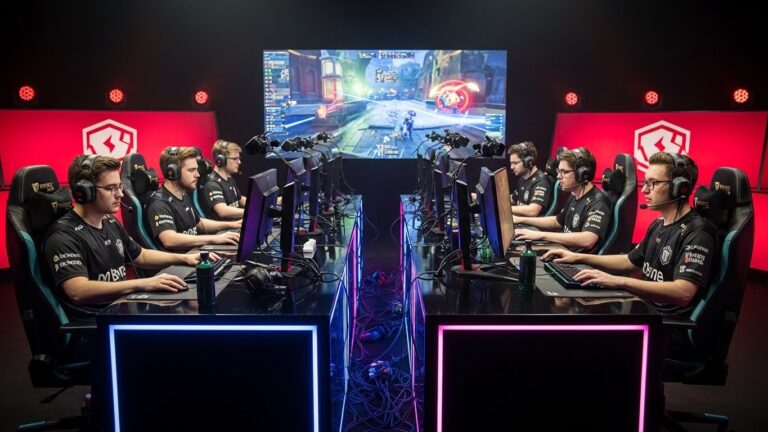
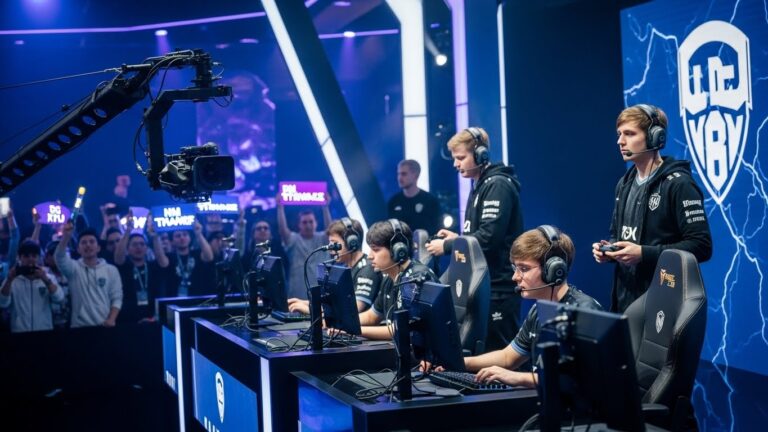
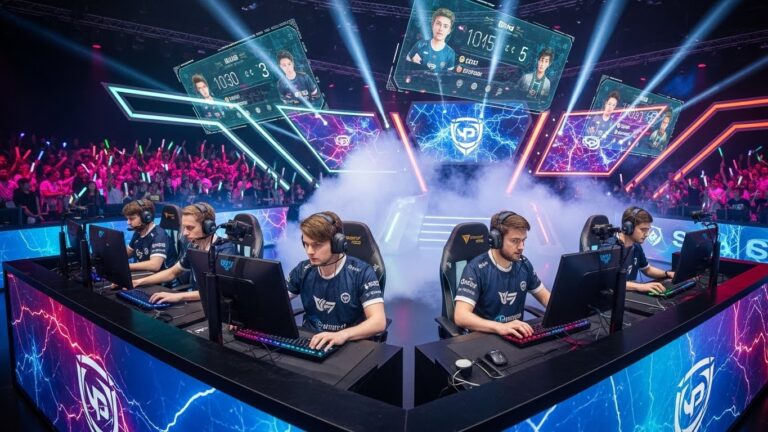
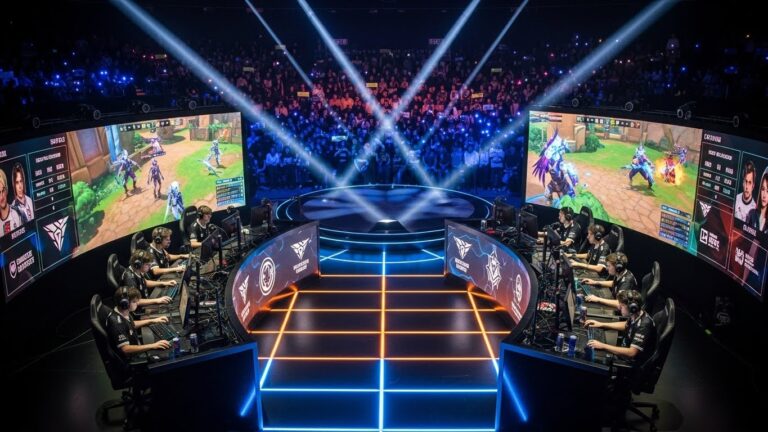
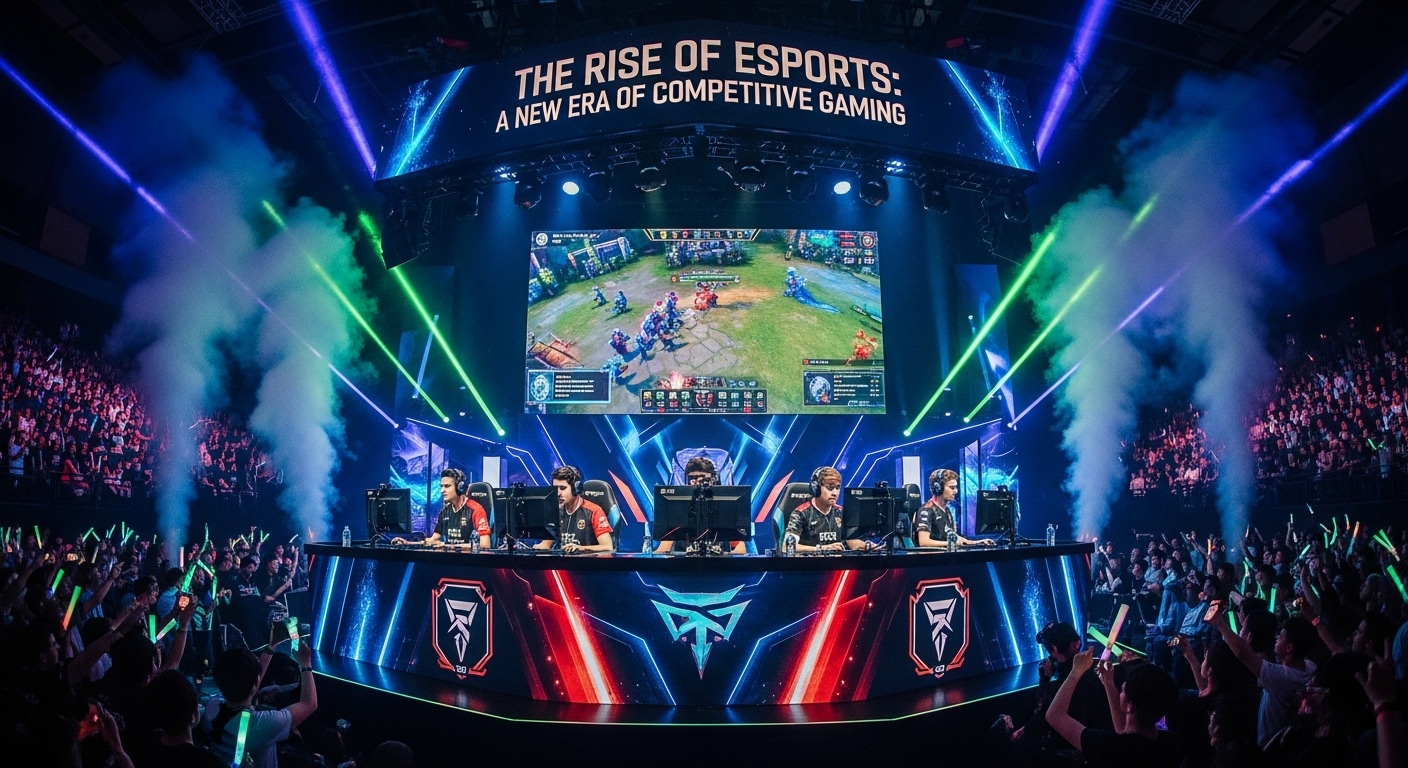
Large-scale events further enhance this sense of belonging. The atmosphere at tournaments like The International or Worlds rivals that of the Super Bowl or the FIFA World Cup. The energy, music, lights, and cheering crowds combine to create an electric environment that celebrates gaming culture.
The Business of Esports
Behind the excitement, Esports has become a major business. Industry reports estimate the global Esports market has surpassed a billion dollars in annual revenue, with continued growth projected. Revenue streams include sponsorships, media rights, merchandise, ticket sales, and digital purchases.
Esports organizations operate much like traditional sports franchises, with investors, managers, and training facilities. Cities like Los Angeles, Seoul, and Shanghai have become Esports hubs, hosting major teams and leagues. Even universities and schools have introduced Esports programs, offering scholarships to talented players.
Media companies are also heavily investing in Esports. Networks now broadcast major tournaments on television, and streaming platforms compete for exclusive rights to popular events. Esports content — from documentaries to player interviews — has found a dedicated audience.
Challenges Facing the Industry
Despite its success, Esports faces several challenges that will shape its future. One of the biggest issues is player burnout. The intense training schedules and pressure to perform can lead to physical and mental exhaustion. Unlike traditional sports, many Esports athletes retire in their early twenties due to the toll on their reflexes and focus.
Regulation and governance are also areas of concern. Unlike sports with global governing bodies like FIFA or the IOC, Esports lacks unified regulation. Each game is controlled by its publisher, leading to fragmented rules and inconsistent standards across tournaments.
Another major challenge is maintaining integrity. Match-fixing, cheating, and performance-enhancing drugs have occasionally plagued the scene. Ensuring fair play and protecting players’ rights remain ongoing priorities.
Additionally, inclusivity remains an evolving topic. Although the industry has made strides, women and minority players still face barriers to entry and representation. Many organizations and communities are actively working to make Esports more welcoming and diverse.
Esports and Education
A fascinating development in recent years has been the integration of Esports into education. Schools and universities now recognize the value of gaming not just as entertainment but as a tool for skill development. Competitive gaming fosters teamwork, problem-solving, communication, and strategic thinking — all valuable life skills.
Colleges across the world offer Esports scholarships, creating a new path for students passionate about gaming. Academic programs focus on game design, broadcasting, management, and event production, preparing students for careers in this booming field.
Esports as a Cultural Movement
Esports is more than competition — it’s culture. It merges technology, art, and entertainment in ways no other medium can. From cosplay and fan conventions to digital art and music collaborations, gaming culture has become a cornerstone of youth identity.
Icons like Ninja, Faker, and Shroud have become household names, influencing millions through streaming and social media. Gaming events such as BlizzCon and DreamHack celebrate creativity and community, attracting fans from every corner of the globe.
Music festivals, fashion brands, and even mainstream sports stars now collaborate with Esports teams. The boundaries between gaming and pop culture continue to blur, reflecting how deeply Esports has permeated modern society.
The Future of Esports
Looking ahead, the future of Esports appears brighter than ever. Advances in virtual reality (VR), augmented reality (AR), and artificial intelligence (AI) promise to reshape how games are played and experienced. Cloud gaming and faster internet connections will make competitive play accessible to more people worldwide.
The possibility of Esports becoming part of the Olympic Games has also been discussed. While this remains a topic of debate, the mere consideration shows how far Esports has come. Governments are beginning to recognize Esports as legitimate competition, granting visas to professional players and investing in Esports infrastructure.
As generations grow up watching and playing games, Esports will continue to influence how people connect, compete, and celebrate. It’s not just a passing trend; it’s a reflection of a digital-first world where creativity and competition coexist.
Conclusion: From Pixels to Podiums
Esports has come a long way — from small college tournaments and arcade battles to global championships with millions of fans. It stands as a testament to human creativity, passion, and the desire to compete. What once began as simple entertainment has evolved into a cultural revolution that transcends geography, language, and age.
The rise of Esports symbolizes more than just gaming success; it reflects the changing landscape of human interaction. It shows how technology can unite people, inspire careers, and build communities across the world. Whether you’re a player, a fan, or a curious observer, there’s no denying that Esports is one of the defining movements of our time — and its story is only just beginning.
About the Author