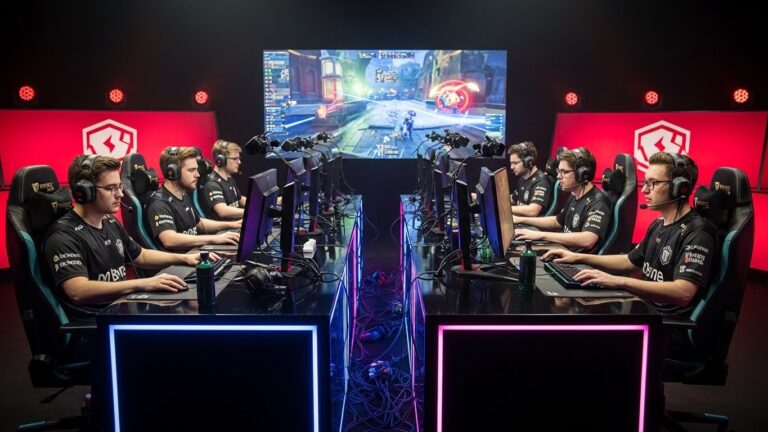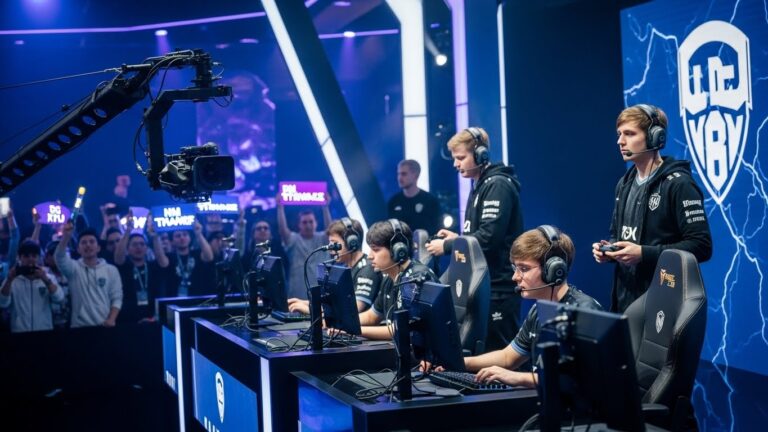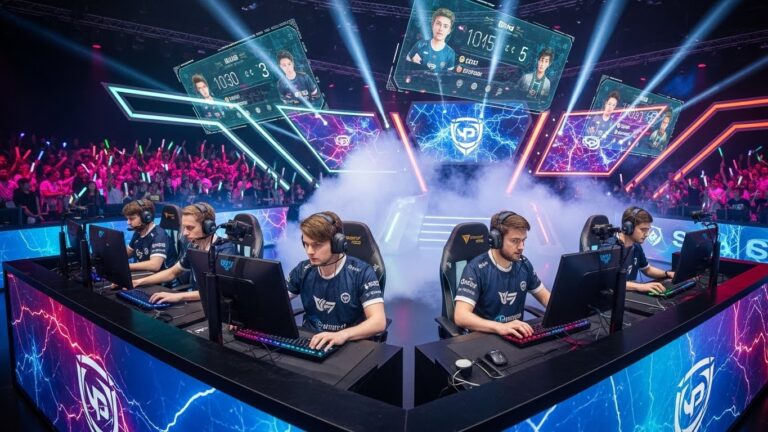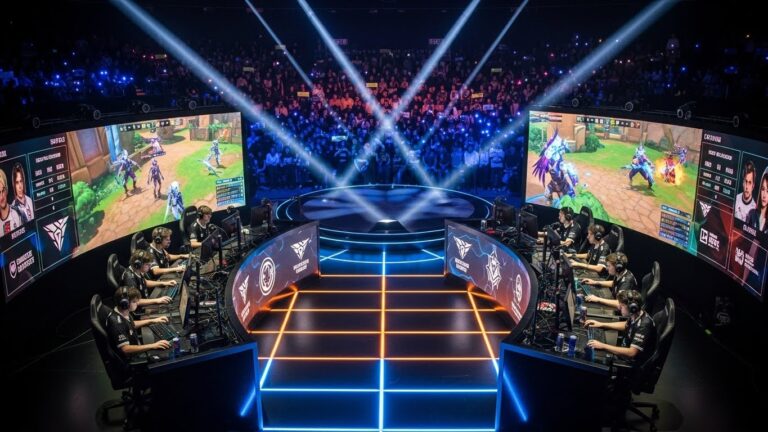
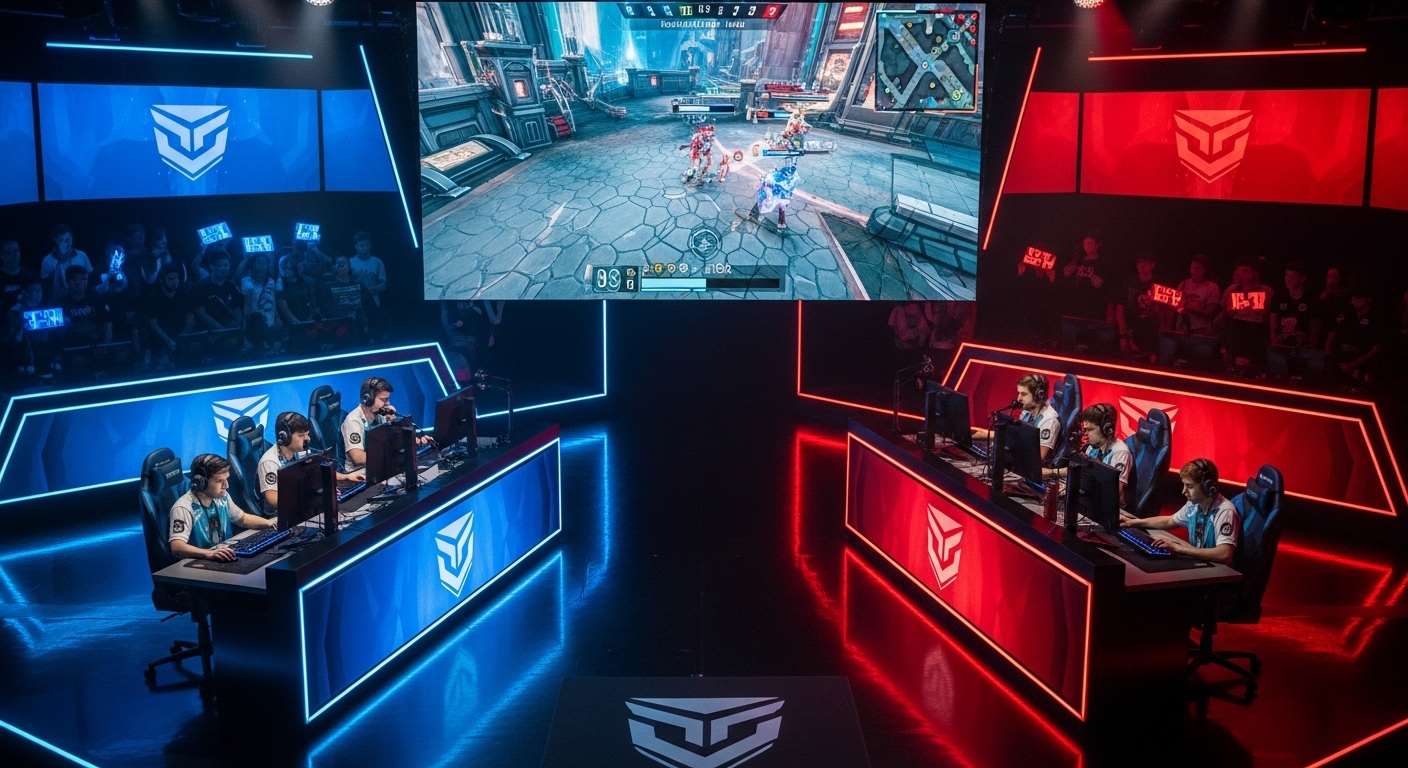
Over the past two decades, esports has transformed from a niche hobby into a multi-billion-dollar global industry. What began as a small community of gamers competing against one another has evolved into a professionally organized, highly competitive ecosystem with massive viewership, sponsorship deals, and even dedicated arenas. Esports, or electronic sports, has become a cultural phenomenon that extends beyond the gaming community and into the mainstream, drawing audiences from all walks of life. In this blog post, we’ll explore the rise of esports, its impact on the gaming industry, and its growing influence on popular culture.
What is Esports?
At its core, esports refers to organized, multiplayer video game competitions, particularly between professional players, teams, and organizations. These competitions can span a wide variety of game genres, including real-time strategy games, first-person shooters, multiplayer online battle arenas (MOBAs), and even sports simulations. Popular esports titles include League of Legends, Counter-Strike: Global Offensive, Dota 2, Fortnite, and Overwatch, among others. Unlike casual gaming, esports involves professional training, rigorous competition, and high-stakes tournaments where the best players and teams from around the world face off for huge cash prizes.
While esports initially found its footing in local LAN parties and small tournaments, today it has expanded to global events that attract millions of viewers. Esports is no longer just about playing games; it is about building a career, forming professional teams, securing sponsorships, and competing on the world stage. In fact, esports players can now make a living from their gaming skills, with top players earning millions of dollars annually through sponsorships, prize money, and streaming deals.
The Early Days of Esports: From LAN Parties to Global Events
Esports has its roots in the early days of competitive gaming, which started in the 1990s. One of the first major esports events was the Red Annihilation tournament in 1997, which was a Quake competition that attracted hundreds of participants. The prize for the winner was a Ferrari, which helped to legitimize the idea of gaming as a competitive and potentially lucrative career. However, it wasn’t until the early 2000s that esports began to take off on a larger scale, largely due to the rise of online gaming.
The advent of high-speed internet allowed players to compete against each other from different locations, which greatly expanded the reach and appeal of esports. Early competitions like the World Cyber Games (WCG) and the Electronic Sports World Cup (ESWC) brought international attention to competitive gaming. These tournaments helped to establish the infrastructure for professional esports, with organizations, sponsors, and media outlets starting to pay more attention to the growing industry.
As the popularity of esports grew, it became more organized, with professional teams forming around popular titles like StarCraft, Warcraft III, and Counter-Strike. These games provided the foundation for the esports scene, and the first wave of esports stars began to emerge. Teams and players started to build fanbases, and esports leagues started to emerge, offering more structured and competitive environments for gamers to prove their skills.
The Explosion of Esports: Big Tournaments and Big Money
By the mid-2010s, esports had reached a tipping point, becoming a fully-fledged global industry with major sponsorships, high-profile tournaments, and a growing online presence. One of the most significant milestones in the rise of esports was the launch of League of Legends by Riot Games in 2009. LoL became a cornerstone of the esports ecosystem, with its annual League of Legends World Championship drawing millions of viewers from around the world. The championship features the top teams from various regions competing for a multi-million-dollar prize pool, and the event has become one of the largest and most-watched esports tournaments in history.
The success of League of Legends helped to legitimize esports as a professional sport and attracted major corporate sponsors like Coca-Cola, Red Bull, and Intel. Sponsorships, advertising, and media rights deals have since become the backbone of esports revenue, alongside prize money and merchandise sales. In 2018, the global esports market was valued at over $1 billion, and it continues to grow year after year. Companies like Tencent, Google, and Amazon have invested heavily in esports, with platforms like YouTube and Twitch becoming key players in the esports broadcasting landscape.
One of the defining features of modern esports is the size of the prize pools. The International, an annual Dota 2 tournament hosted by Valve Corporation, is known for offering the largest prize pools in esports history. In 2018, the prize pool for The International surpassed $25 million, with the winning team taking home over $11 million. This massive prize money, coupled with sponsorship deals, broadcasting rights, and merchandise sales, has helped to elevate esports players and teams to celebrity status, drawing millions of viewers from around the globe.
The Role of Streaming in Esports
One of the key factors driving the success of esports has been the rise of live-streaming platforms, most notably Twitch. Twitch, launched in 2011, revolutionized the way people watch and engage with gaming content. The platform allowed players to stream their gameplay live, while also interacting with fans through real-time chats. This interactivity, combined with the competitive nature of esports, created a new type of viewing experience that was vastly different from traditional sports broadcasts.
Twitch quickly became the go-to platform for esports streaming, with many major tournaments, including League of Legends, Fortnite, CS:GO, and Overwatch, being broadcast live on the platform. In addition to watching the gameplay, viewers can engage with their favorite players and teams through live chats, donations, and subscriptions. This has helped build a strong sense of community around esports, with fans becoming active participants in the content they consume.
In 2014, Amazon acquired Twitch for nearly $1 billion, further cementing the platform’s dominance in the gaming and esports space. Beyond Twitch, YouTube Gaming and Facebook Gaming have also become important players in the live-streaming market, offering alternative platforms for gamers and fans to interact with esports content. The rise of these platforms has allowed esports to reach a wider audience, increasing its visibility and influence.
Esports as a Career: Professional Teams and Sponsorships
Esports has transformed from a casual hobby to a legitimate career path for many talented gamers. Just like traditional sports, esports players now receive salaries, benefits, and even retirement plans from their teams and organizations. Professional teams, such as Cloud9, Team Liquid, and T1, operate just like sports franchises, with staff, coaches, analysts, and managers overseeing the team’s operations.
Players sign contracts with these teams, which often include sponsorship deals, tournament winnings, and sometimes personal branding opportunities. Top-tier esports players can earn hundreds of thousands, or even millions, of dollars per year, depending on their success in competitions and their sponsorships. Some of the highest-paid esports players come from games like Dota 2, League of Legends, and Fortnite, where the prize pools for major tournaments are in the tens of millions.
Sponsors have also become a major part of the esports ecosystem, with companies from industries like technology, energy drinks, and even automobiles partnering with esports teams and events. Brands such as Intel, Alienware, and Mercedes-Benz have recognized the massive audience esports attracts and are eager to associate themselves with the sport’s growing popularity. These sponsorships provide a significant source of revenue for esports organizations and players, allowing them to support themselves and invest in their training and development.
The Social Impact of Esports
While esports has primarily been seen as a form of entertainment, its influence has extended far beyond the gaming world. Esports has become a cultural touchstone for younger generations, providing a shared experience that brings people together across geographical boundaries. The rise of online communities, social media platforms, and live-streaming services has created a new form of fandom, where fans can interact with their favorite players and teams on a daily basis.
Esports has also helped to challenge the traditional perception of video games as a solitary or anti-social activity. Competitive gaming fosters teamwork, communication, and strategic thinking, skills that are highly valued in both professional and educational settings. Many schools and universities have embraced esports by establishing teams, offering scholarships, and hosting tournaments. This has helped to further legitimize esports and provide young gamers with a pathway to pursue careers in the industry.
Additionally, esports has become a platform for social change. Various tournaments and events have raised awareness for causes such as mental health, diversity, and inclusion, bringing attention to important issues within the gaming community and beyond. Esports has become a platform for advocacy, with organizations working to create a more inclusive and welcoming environment for players of all backgrounds.
The Future of Esports
The future of esports looks bright, with continued growth expected across multiple areas. The integration of new technologies, such as virtual reality (VR) and augmented reality (AR), could offer players and viewers a more immersive experience. The expansion of 5G networks will allow for faster and more reliable gaming, further fueling the growth of esports on mobile platforms. The potential for esports to be included in global events, such as the Olympics, is also being discussed, which would bring even more mainstream recognition to competitive gaming.
Esports will continue to thrive as a global phenomenon, offering new opportunities for players, organizations, and fans alike. As the lines between gaming and traditional sports continue to blur, it’s clear that esports is not just a passing trend but a permanent fixture in the entertainment landscape.
Conclusion
Esports has come a long way from its humble beginnings as a niche activity for gamers. Today, it stands as a global powerhouse, with millions of players, fans, and organizations invested in its success. With the continued support of sponsors, streaming platforms, and a growing audience,
About the Author