Introduction: Esports – The Digital Revolution in Sports
The world of sports has always been associated with physical exertion, competition, and teamwork. From traditional games like football and basketball to global athletic events such as the Olympics, sports have shaped cultures, united people, and provided entertainment for centuries. However, in recent years, a new form of competition has emerged, challenging traditional sports for attention and relevance: esports.
Esports, or competitive video gaming, has evolved from a niche hobby into a multi-billion-dollar global industry. With millions of fans tuning in to watch professional gamers compete for massive prizes, the rise of esports has transformed gaming into one of the fastest-growing entertainment sectors worldwide. But what exactly is esports, and why has it become so popular? This blog will explore the growth of esports, its impact on the gaming industry, and why it has captured the attention of both gamers and non-gamers alike.
The Evolution of Esports: From Arcade to Arena
Esports has its roots in the early days of competitive gaming. In the 1970s and 1980s, the rise of arcade games like Pong and Space Invaders led to the first small-scale tournaments. These events, though rudimentary by today’s standards, were the beginning of what would eventually become a global phenomenon.
By the late 1990s and early 2000s, the internet and faster computers allowed gamers to compete against one another online, laying the foundation for multiplayer games and online competitions. Titles like StarCraft, Warcraft III, and Quake became the first major esports games, with players organizing online and offline tournaments. These competitions were often small but exciting, attracting a dedicated fan base that grew in both numbers and enthusiasm.
As the internet became faster and more accessible, the esports scene exploded. Major tournaments began to emerge with ever-increasing prize pools, attracting top-tier players from all over the world. By the mid-2010s, games like League of Legends, Dota 2, and Counter-Strike: Global Offensive had become esports juggernauts, with global championships watched by millions of viewers on streaming platforms like Twitch.
The Global Reach of Esports: Connecting the World Through Gaming
One of the most remarkable aspects of esports is its global nature. Unlike traditional sports, which are often limited by geographical boundaries, esports tournaments can be broadcasted worldwide, making it possible for fans from all corners of the globe to watch and engage with their favorite players and teams.
Streaming platforms like Twitch, YouTube Gaming, and Facebook Gaming have played a critical role in expanding the reach of esports. These platforms allow fans to watch live broadcasts of tournaments in real-time, interact with players and fellow fans through live chats, and even follow their favorite streamers on a daily basis. This constant accessibility has helped esports build a massive, dedicated following that rivals traditional sports in some regions.
The popularity of esports has also led to the development of esports leagues, teams, and organizations that operate much like traditional sports franchises. For example, the Overwatch League and Call of Duty League have adopted a city-based team model similar to professional sports leagues like the NFL and NBA. This structure has helped professionalize the industry, creating a more stable ecosystem for players, teams, and sponsors.
The Professionalization of Esports: Players, Coaches, and Managers
While esports has grown rapidly, it has also professionalized at an astonishing rate. Just a few years ago, esports players were often seen as hobbyists or amateurs who played games for fun. Today, however, many professional esports players treat gaming as a full-time career, with dedicated training, coaching, and preparation for major tournaments.
Top esports players are now highly skilled athletes who practice for hours each day to refine their strategies, mechanics, and team coordination. Much like traditional sports teams, esports organizations employ coaches, analysts, and managers to help players optimize their performance. These professionals assist with strategy development, provide mental coaching, and help players manage the pressures of competitive gaming.
Esports organizations have also started offering long-term contracts to players, guaranteeing salaries and providing benefits such as health insurance, travel expenses, and even performance bonuses. This has elevated esports from a casual hobby to a legitimate profession, with players earning salaries and sponsorships that rival those of traditional athletes.
The Economic Impact of Esports: A Multi-Billion Dollar Industry
The financial growth of esports is staggering. What started as a small, niche subculture has become a multi-billion-dollar industry. In 2023, the global esports industry was valued at over $1.5 billion, with projections indicating that it will continue to grow in the coming years. This rapid growth has attracted significant investments from tech companies, traditional sports teams, and media organizations.
Sponsorships and advertising deals have become the backbone of the esports economy. Major brands such as Coca-Cola, Intel, Razer, and Mercedes-Benz are now sponsoring esports events and teams, helping to fund tournaments and ensuring that the industry remains profitable. In addition to sponsorships, streaming platforms like Twitch and YouTube Gaming generate revenue through ads, subscriptions, and exclusive content, further fueling the industry’s expansion.
Another important aspect of the esports economy is its relationship with the gaming industry. Game developers like Riot Games, Valve, and Blizzard Entertainment have capitalized on esports by creating games that are designed specifically for competitive play. These developers often host their own tournaments, offering large prize pools and providing the infrastructure needed for esports to thrive.
The Role of Esports in Education and Career Development
Esports has not only created a new form of entertainment but also a new career path for young individuals. As the industry grows, so does the demand for talent in a variety of fields. In addition to professional players, there is an increasing need for content creators, streamers, broadcasters, event organizers, and marketers who specialize in esports.
In response to this demand, colleges and universities around the world have begun offering esports scholarships and degree programs. These programs help students develop skills in areas like game design, marketing, broadcasting, and management, all of which are crucial to the esports industry. Universities are also establishing esports teams, allowing students to compete at a high level while earning an education.
In fact, some professional esports players have been able to balance their gaming careers with educational pursuits, taking advantage of online classes and flexible schedules to further their academic goals. The integration of esports into education has created a new avenue for young people to pursue both their passion for gaming and their professional ambitions.
Esports as a Form of Entertainment: The Spectacle of Live Events
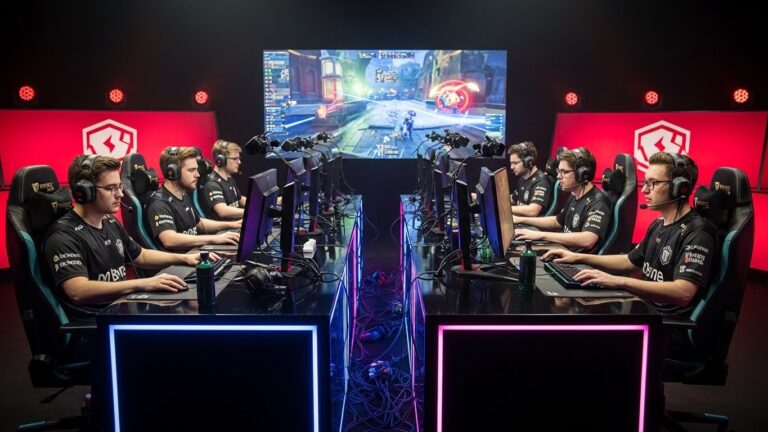
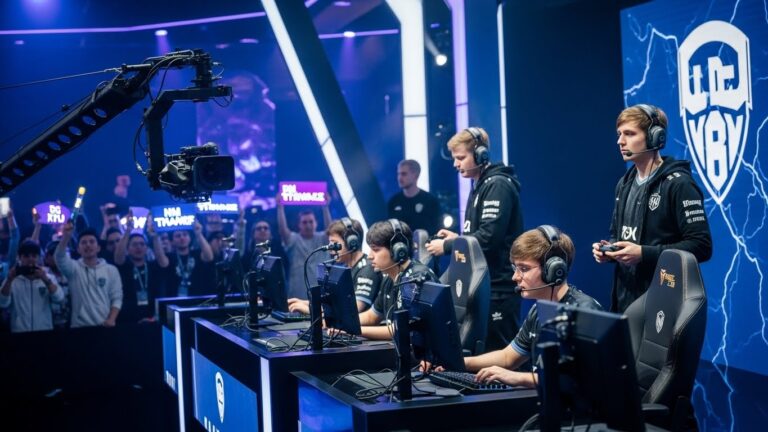
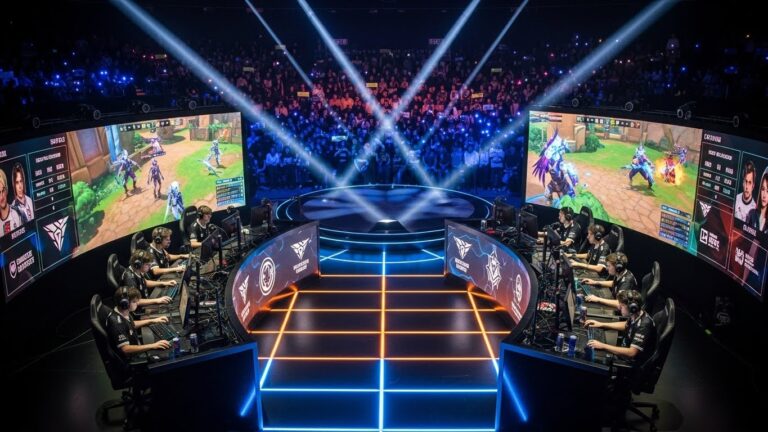
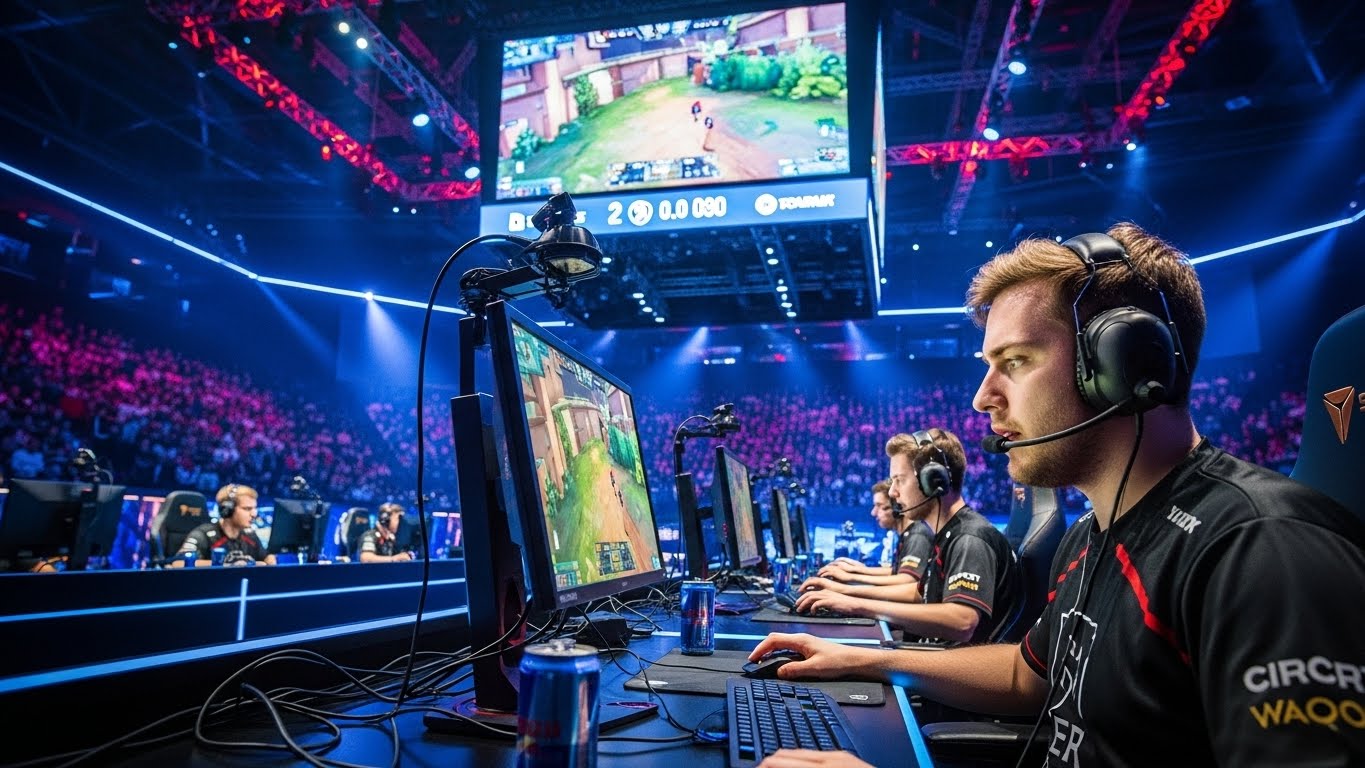
Esports tournaments have become major events in their own right, attracting massive audiences both online and in-person. Large-scale events like the League of Legends World Championship, The International (Dota 2), and the Fortnite World Cup draw millions of viewers from all over the world. These events are often held in massive arenas, with elaborate stage setups, live commentary, and a spectacle that rivals any traditional sporting event.
The production quality of esports events has also increased significantly, with live broadcasts featuring professional commentary, player interviews, and behind-the-scenes access to the players’ preparation. These broadcasts often feature expert analysis, providing viewers with insights into the game’s strategy and mechanics. As a result, esports has become a highly engaging form of entertainment, appealing not only to gamers but also to casual viewers.
The Future of Esports: Innovation and Global Expansion
As esports continues to grow, its future looks incredibly promising. Technology is playing a key role in the development of the industry, with innovations in virtual reality (VR) and augmented reality (AR) offering new opportunities for immersive gaming experiences. VR and AR could revolutionize how esports tournaments are broadcasted, giving viewers the ability to experience the action in ways that were previously unimaginable.
Moreover, the global expansion of esports is expected to continue as more countries invest in esports infrastructure. Asian countries like South Korea, China, and Japan have long been leaders in esports, but now, countries in Europe, North America, and Latin America are also developing their own esports ecosystems. This global growth will further increase the visibility and legitimacy of esports, attracting even more fans, sponsors, and players.
Conclusion: Esports as a Cultural Phenomenon
Esports has evolved from a niche hobby into a cultural phenomenon. What was once considered a pastime is now a legitimate profession, with professional players, coaches, and managers all contributing to the growth of the industry. With its global reach, economic impact, and ability to connect people through the love of gaming, esports has established itself as a major player in the entertainment industry.
As technology continues to advance, and as more people from diverse backgrounds embrace gaming as a form of entertainment and competition, esports will undoubtedly continue to flourish. It has created opportunities for young people to pursue careers, build communities, and engage with others around the world. Esports is no longer just about playing video games—it’s about shaping the future of competitive entertainment.
About the Author