Introduction: What is Esports?
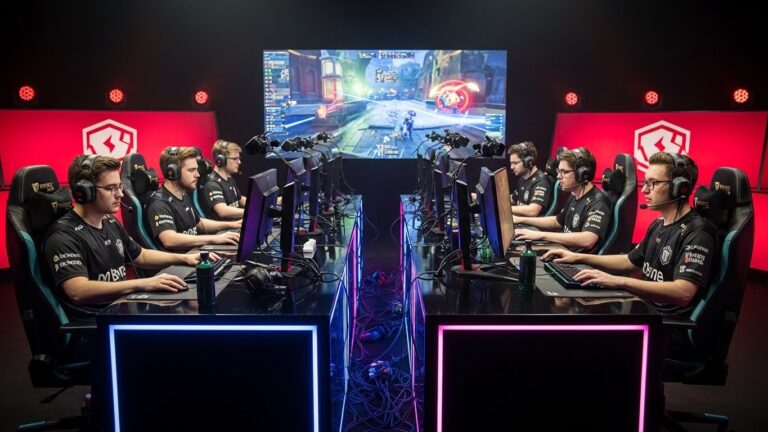
Esports, short for electronic sports, refers to organized, multiplayer video game competitions, particularly between professional players, individually or as teams. While video games have been around for decades, esports as we know it today is a relatively new phenomenon that has rapidly evolved into a global industry. In the past few years, esports has transitioned from a niche hobby to a mainstream spectacle, captivating millions of viewers around the world. What was once considered “just playing games” has now become a serious competitive sport with a professional ecosystem, media coverage, sponsorships, and dedicated fan bases.
The Origins of Esports
The history of competitive gaming dates back to the early days of video games. In the 1970s, the first known video game competition was held at Stanford University, where students competed in the game Spacewar. However, it wasn’t until the 1990s that competitive gaming began to gain significant traction. As personal computers became more accessible and the internet allowed players to connect globally, tournaments for games like Quake, StarCraft, and Counter-Strike began to emerge.
The first major esports tournaments took place in the late 1990s and early 2000s, including the Red Annihilation tournament for Quake and the World Cyber Games (WCG) launched in 2000. These events helped lay the foundation for what would eventually become the booming esports industry of today. The rise of online gaming platforms like Battle.net and Steam, coupled with the increasing popularity of multiplayer games, solidified esports as a viable form of entertainment and competition.
The Growth of Esports: From Niche to Mainstream
In the early 2000s, esports began to see steady growth, particularly in Asia. South Korea, in particular, became the birthplace of modern esports culture, with StarCraft tournaments filling arenas and drawing thousands of fans. As gaming culture continued to evolve, Western countries followed suit, with games like League of Legends and Dota 2 capturing the attention of millions worldwide.
In the past decade, esports has exploded in popularity, driven by the rise of streaming platforms like Twitch, YouTube Gaming, and Facebook Gaming. These platforms enabled fans to watch live competitions, follow their favorite players, and engage with the gaming community in real-time. The accessibility and convenience of online streaming have been instrumental in transforming esports from a niche hobby into a global entertainment phenomenon.
With the increasing availability of high-speed internet, better hardware, and a growing audience, esports now attracts viewers in the millions. Major tournaments like the League of Legends World Championship, The International (Dota 2’s annual tournament), and the Overwatch League regularly draw audiences comparable to traditional sporting events. Sponsorships from major brands, media deals, and large prize pools have elevated esports to a level of financial success and cultural relevance previously reserved for conventional sports.
Esports as a Professional Career
One of the key drivers of esports’ success is the rise of professional players. These players dedicate their lives to mastering specific games, often spending hours daily practicing, strategizing, and competing in online and offline tournaments. For top players, esports can be a lucrative career, with substantial earnings from tournament prizes, sponsorships, and streaming revenue.
Professional esports organizations are now structured similarly to traditional sports teams. They offer coaching, training facilities, management, and support staff to help players reach their peak potential. Just like in football, basketball, or soccer, esports teams have rosters, coaches, analysts, and strategists to ensure their success in the competitive arena. These teams also compete in leagues, where they face off against other professional squads, and compete for prestige, fame, and a significant prize pool.
The Esports Ecosystem: Tournaments, Teams, and Sponsorships
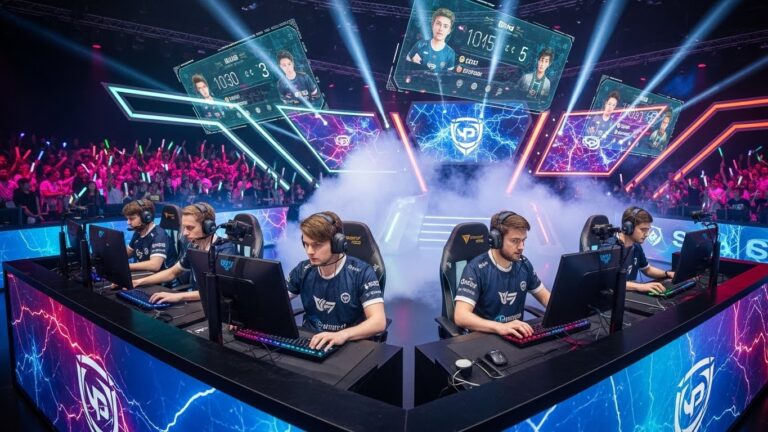
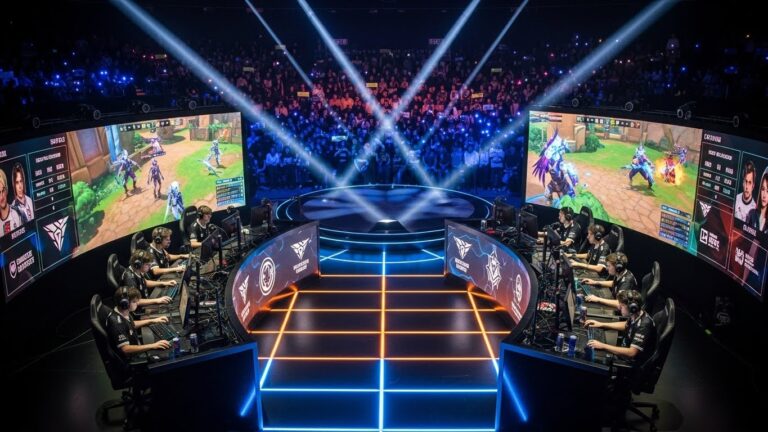
The esports ecosystem is built on several key pillars: tournaments, professional teams, and sponsorships. Major esports events and tournaments have grown to become world-class spectacles, with live broadcasts, in-person audiences, and multi-million-dollar prize pools. These events have become global in scale, attracting viewers from across the world.
Tournaments like The International for Dota 2, League of Legends Worlds, and Fortnite‘s World Cup are among the most-watched events in the world, offering prize money that often exceeds that of traditional sports events. Prize pools for these tournaments can reach tens of millions of dollars, with the winning team or individual taking home a life-changing sum of money.
Esports teams play a central role in this ecosystem. These teams often consist of highly skilled players who specialize in specific games. Some of the most successful teams in esports history include Cloud9, Team Liquid, Fnatic, G2 Esports, and T1. These teams not only compete in major tournaments but also engage in content creation, brand-building, and fan interaction.
Sponsorships are another vital component of the esports industry. As the popularity of esports continues to grow, traditional and non-endemic brands have begun to invest in the space. Companies like Intel, Nike, Coca-Cola, and Red Bull have recognized the value of partnering with esports teams and tournaments to reach a young, tech-savvy audience. Sponsorship deals help fund the operations of teams and events, and they also provide players and organizations with financial support.
Esports Viewership: A New Age of Spectator Sports
One of the most significant shifts in the world of esports has been its ability to draw massive audiences, particularly through online platforms. Unlike traditional sports, where fans are limited by geographic location, esports can be watched by anyone with an internet connection. Streaming platforms like Twitch and YouTube Gaming have become the go-to destinations for esports fans, offering live broadcasts of tournaments, player streams, and commentary.
The rise of esports as a spectator sport is unprecedented. Some esports events have attracted more viewers than major sporting events like the Super Bowl or the NBA Finals. For example, the 2019 League of Legends World Championship drew over 100 million viewers, with peak viewership surpassing 3 million concurrent viewers.
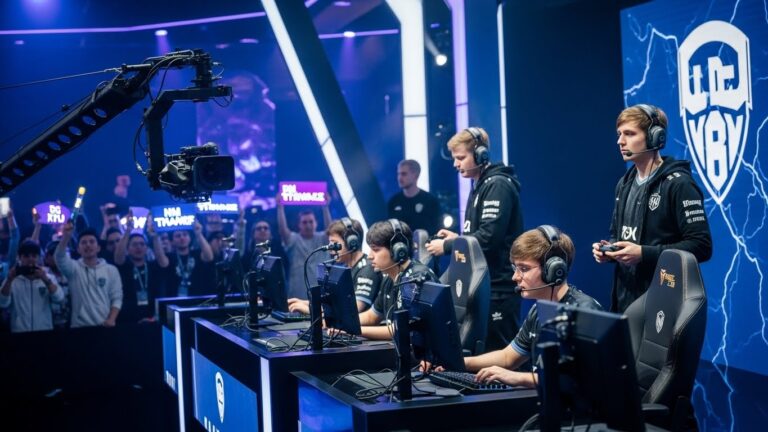
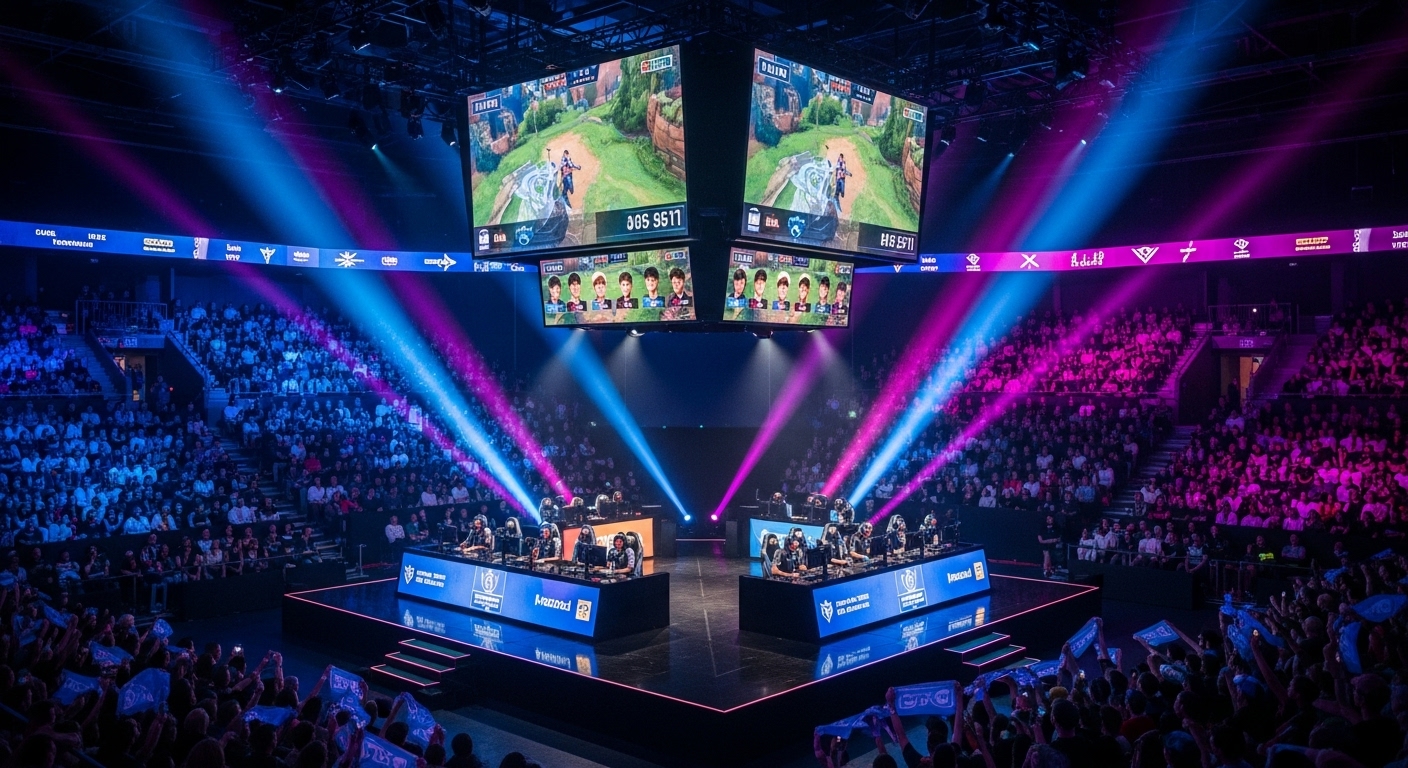
Esports events are not just limited to the digital space. As the industry has grown, in-person events have become massive cultural occasions. Arena events like BlizzCon, ESL One, and The International feature thousands of fans attending in person to watch their favorite teams compete live. These events also serve as conventions, with opportunities for fans to meet players, view new game releases, and enjoy exclusive content.
The Role of Streaming and Content Creation in Esports
Streaming has become an integral part of the esports ecosystem. Platforms like Twitch have given players, teams, and content creators a direct connection to their audience, allowing fans to interact with their favorite personalities in real-time. Many professional esports players and teams maintain active streaming channels, where they showcase their gameplay, share strategies, and connect with their communities.
Streaming has also opened the door for non-professional players to make a career in esports. Many successful streamers have built massive followings by showcasing their skills in games like Fortnite, Valorant, Apex Legends, and Minecraft. Streamers earn revenue through ad revenue, donations, and sponsorships, which has contributed to the democratization of the esports industry.
Content creation, including tutorials, highlights, analysis, and commentary, has further elevated esports. Channels dedicated to esports news and analysis, such as TheScore Esports or Esports Talk, help keep fans informed and engaged. These creators play a pivotal role in shaping the narrative surrounding esports, elevating players and teams to celebrity status.
Esports and Its Cultural Impact
Esports is not just a form of entertainment—it has become a cultural force. Gaming has long been seen as a hobby, but esports has changed that perception, making gaming a legitimate career path and a spectator sport.
Esports has also brought gaming into the mainstream, challenging traditional ideas of what it means to be an athlete. Professional players are now regarded as some of the best in their field, with the same dedication, training, and discipline as athletes in traditional sports. Moreover, esports has helped reduce the stigma surrounding gaming, demonstrating that it can be a serious pursuit rather than just a pastime.
The rise of esports has also provided a platform for diversity and inclusion. Women, LGBTQ+ individuals, and players from all over the world are finding representation in competitive gaming. While challenges remain, esports offers a more inclusive space compared to many traditional sports, where representation has often been limited.
The Future of Esports: What’s Next?
The future of esports is incredibly promising. As technology continues to advance, the competitive gaming landscape will evolve, offering even more immersive and interactive experiences for both players and fans. Virtual reality (VR) and augmented reality (AR) have the potential to redefine how esports events are experienced, bringing fans closer to the action than ever before.
Esports will also continue to gain acceptance in mainstream culture. In the future, we could see esports integrated into the Olympics or other major international sporting events, legitimizing it even further as a global sport. Additionally, the growth of mobile gaming will expand the reach of esports, making it more accessible to players and viewers in regions where high-end gaming hardware may not be as prevalent.
As more sponsorships, media deals, and partnerships flood the esports industry, the financial viability of esports will continue to grow. This could lead to even more professional players, better tournament structures, and larger prize pools, further cementing esports as a dominant force in the world of entertainment.
About the Author