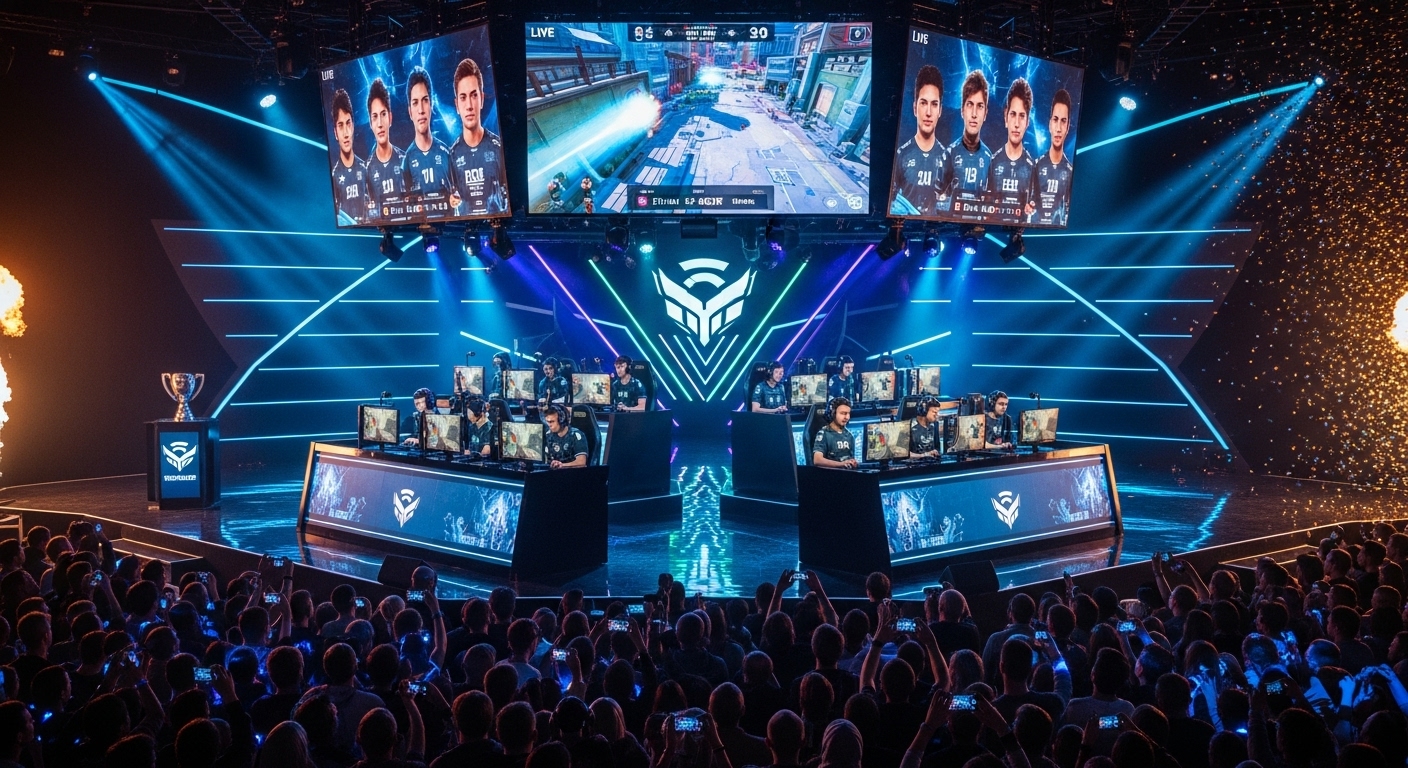
Introduction: The Unstoppable Growth of Esports
In recent years, esports has evolved from a niche hobby into a global cultural and entertainment powerhouse. Once thought of as a pastime for a small group of gamers, competitive video gaming has now entered the mainstream, attracting millions of viewers, substantial investment, and recognition as a legitimate form of sport. With the rise of streaming platforms, professional leagues, and an ever-growing fan base, esports is set to continue its rapid growth and shape the future of entertainment.
In this blog post, we will delve into the rise of esports, exploring its origins, its cultural impact, and the factors that have contributed to its meteoric rise. We will also look at how esports is revolutionizing the traditional sports landscape, offering new opportunities for players, teams, sponsors, and fans alike. Whether you’re a seasoned gamer or someone who has just begun to explore the world of esports, the phenomenon is undeniable, and its influence is only going to expand.
The Origins of Esports: From Arcades to Online Competitions
Esports has a rich history that dates back to the early days of video gaming. While competitive gaming can trace its origins to arcade tournaments in the 1970s, the true birth of modern esports occurred in the late 1990s and early 2000s, when online multiplayer games began to gain popularity.
One of the earliest examples of competitive gaming was the “Red Annihilation” tournament in 1997, where players competed in Quake, a first-person shooter. The prize? A Ferrari, which underscored the seriousness with which these tournaments were taken. However, it was the launch of games like StarCraft and Warcraft that truly helped esports take shape, particularly in countries like South Korea, where gaming culture flourished.
In South Korea, StarCraft became a national obsession in the early 2000s, and the country established dedicated esports television channels and tournaments. The Korean model served as a blueprint for the global rise of esports, showing that gaming could be organized, professionalized, and broadcasted for mass audiences.
The growth of online gaming platforms, such as Battle.net, Steam, and Xbox Live, further accelerated the rise of competitive gaming. These platforms allowed players from around the world to connect, compete, and form online communities. This marked the beginning of esports as we know it today—an industry powered by digital platforms and fueled by a global community of gamers.
The Growth of Esports: From Hobby to Industry
By the late 2000s, esports had grown into a global phenomenon, with large-scale tournaments like The International, the League of Legends World Championship, and Counter-Strike: Global Offensive events attracting thousands of live spectators and millions of online viewers. The rise of streaming platforms like Twitch, which was founded in 2011, played a crucial role in bringing esports into the homes of millions of fans. Twitch allowed gamers to stream their gameplay, interact with audiences in real time, and build massive followings. This platform revolutionized the way people consumed gaming content and brought esports into the mainstream.
Esports tournaments now regularly fill stadiums with thousands of live spectators and draw millions of viewers online. In 2018, The International Dota 2 tournament set a record for the largest prize pool in esports history, exceeding $25 million, a testament to the growing financial power of the industry. Similarly, the League of Legends World Championship and Fortnite tournaments have garnered massive global attention, pushing esports into the mainstream and drawing sponsorships from major brands like Coca-Cola, Mercedes-Benz, and Intel.
The rise of professional esports leagues, such as the Overwatch League and the Call of Duty League, has also helped solidify esports as a legitimate form of competition. These leagues, with their franchise model similar to traditional sports leagues, offer players contracts, salaries, and a platform for long-term professional careers. Esports has effectively created a new career path for gamers who have the skill, dedication, and passion to compete at the highest level.
Esports and Traditional Sports: A New Era of Entertainment
Esports has not only grown in popularity but has also begun to influence the traditional sports industry. The parallels between esports and traditional sports are becoming increasingly apparent. Just like in professional football, basketball, and soccer, esports has teams, players, coaches, and managers. Esports tournaments are now broadcast live on major platforms, much like traditional sports games, and feature expert commentary, analysis, and pre-game coverage.
In fact, the rise of esports has even led to collaborations between traditional sports organizations and esports leagues. For example, several professional sports teams, including the Dallas Cowboys and the Golden State Warriors, have invested in esports teams. Football clubs like FC Barcelona and Paris Saint-Germain have formed their own esports teams to compete in games like FIFA and League of Legends. This integration of esports with traditional sports demonstrates the crossover appeal and the immense commercial potential of the industry.
Moreover, major esports tournaments, such as the League of Legends World Championship, have drawn record-breaking audiences that rival those of traditional sporting events. In 2019, the League of Legends final attracted 100 million viewers, a number comparable to the viewership of the Super Bowl. This growing audience for esports has led to greater media coverage, sponsorship opportunities, and a burgeoning ecosystem for players and organizations.
The Cultural Impact of Esports: Changing the Entertainment Landscape
Esports has had a profound cultural impact, not just in terms of entertainment but also in the way we view competition, talent, and identity. For millions of fans, esports has become more than just a game; it’s a lifestyle. Esports athletes, or “pro gamers,” have become celebrities in their own right, with millions of followers on social media platforms and endorsement deals with top brands.
The rise of esports influencers, streamers, and content creators has reshaped the influencer marketing landscape. Platforms like Twitch, YouTube Gaming, and Facebook Gaming have allowed gamers to create content that resonates with audiences, ranging from gameplay tutorials to comedic skits and lifestyle vlogs. These influencers often have a direct and personal connection with their followers, creating communities that share a common passion for gaming.
Esports has also provided a sense of belonging and community for gamers worldwide. In a world where digital connections have become a central aspect of social interaction, esports serves as a gathering place for people to form friendships, share experiences, and engage in discussions. Whether it’s through online streaming, fan meetups, or online forums, esports communities offer a space for like-minded individuals to connect and celebrate their love of gaming.
Furthermore, esports has played a significant role in breaking down societal barriers. The rise of female esports players, diverse teams, and international competitions has fostered an environment of inclusivity. While the gaming industry has historically been male-dominated, the visibility of female players and teams, as well as the growing acceptance of LGBTQ+ players, has made esports more welcoming to all.
The Economics of Esports: Big Money and Global Sponsorships
One of the driving forces behind the rapid growth of esports is the enormous financial potential it offers. In addition to the prize pools of major tournaments, esports has become a lucrative business through sponsorships, advertising, merchandise sales, and media rights. Esports organizations, teams, and players have attracted sponsorships from some of the world’s biggest brands, including Nike, Red Bull, Coca-Cola, and Audi.
The revenue generated by esports tournaments and streaming platforms is staggering. In 2020, the global esports market was valued at over $1 billion, and that figure is expected to continue rising as the industry matures. As esports becomes more mainstream, opportunities for players, coaches, analysts, and content creators to monetize their skills and build sustainable careers are expanding.
One of the key components of this economic growth is media rights. Major broadcasters, including ESPN, TBS, and CBS, have begun to air esports tournaments on television, reaching even broader audiences. Streaming platforms like Twitch and YouTube have also created new revenue streams for gamers through ad revenue, subscription models, and fan donations.
The Future of Esports: Innovation and Expansion
The future of esports looks incredibly promising. As technology continues to advance, we are likely to see even more immersive and interactive experiences for fans. Virtual reality (VR) and augmented reality (AR) are beginning to make their way into the esports world, allowing players and fans to experience competitions in new and exciting ways. Additionally, artificial intelligence (AI) could play a pivotal role in enhancing gameplay, improving player performance, and developing new ways for fans to engage with esports.
The increasing global reach of esports presents opportunities for new markets and untapped audiences. Countries in Asia, Latin America, and Africa are becoming increasingly important in the esports ecosystem, with many regions establishing their own leagues, tournaments, and teams. As esports grows in these regions, the diversity of players and teams will add new dynamics to the global competition.
As esports continues to evolve, it will likely lead to new forms of competition, fan engagement, and even partnerships with traditional sports organizations. The blending of esports and traditional sports will further strengthen the bond between the two worlds, creating new opportunities for cross-promotion and collaboration.
Conclusion: Esports – The Future of Entertainment
Esports has quickly evolved from a niche interest into a global cultural and entertainment phenomenon. Its ability to connect people, break down barriers, and create new opportunities for players and fans has propelled the industry into the mainstream. With millions of viewers, significant financial investments, and a growing sense of community, esports is poised to continue its meteoric rise.
Whether you’re a player, a fan, or a sponsor, the world of esports offers something for everyone. As the industry grows and evolves, it will continue to reshape the entertainment landscape, offering new experiences, opportunities, and connections for millions
About the Author