Introduction
In the last two decades, esports has transformed from a niche hobby into a multi-billion-dollar global industry. Competitive video gaming now fills arenas, draws millions of online viewers, and attracts sponsorships from major corporations. With this growth, esports athletes—often called professional gamers—have found themselves in the spotlight, treated much like traditional sports stars. They are admired, criticized, and placed under immense pressure to perform at their best.
But unlike traditional athletes, esports professionals face unique challenges. They compete in high-stakes tournaments that require not just mechanical skill and lightning-fast reflexes but also extraordinary mental resilience. The ability to stay calm under pressure can mean the difference between victory and defeat, between lifting a championship trophy and falling short. The question of how these athletes handle pressure is central to understanding the demands of professional gaming.
This blog explores the many dimensions of pressure in esports and the strategies players use to overcome it. We will examine the psychological, physical, and social pressures they face, the coping mechanisms they employ, and the role of teams, coaches, and fans in supporting them.
The Nature of Pressure in Esports
Tournament Environments
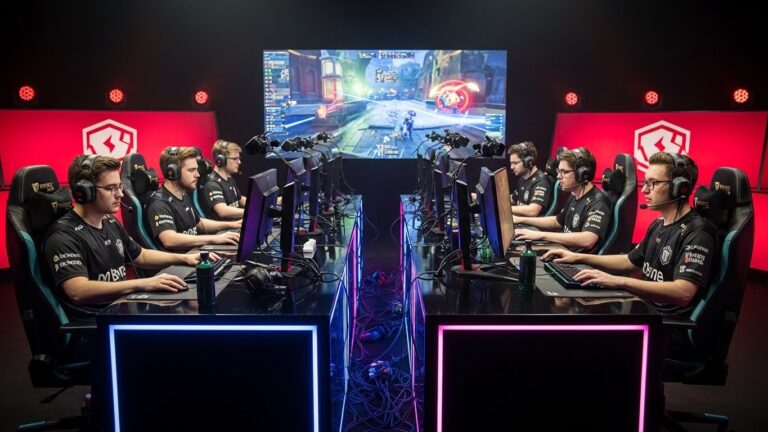
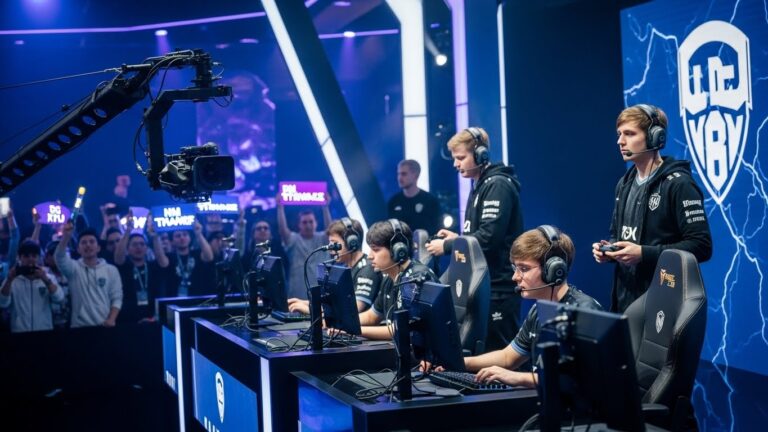
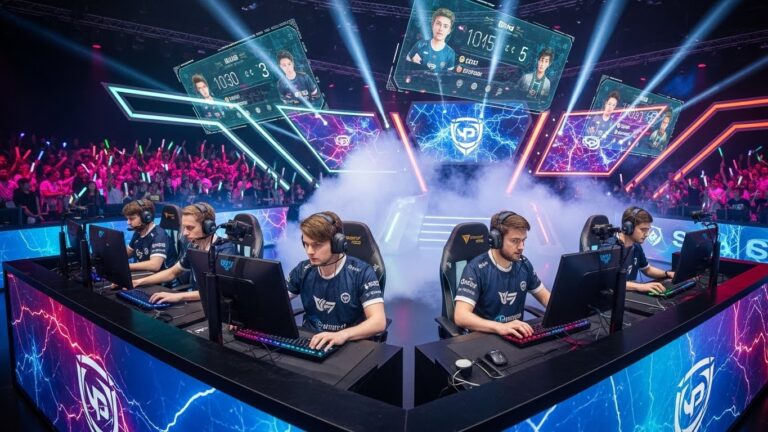
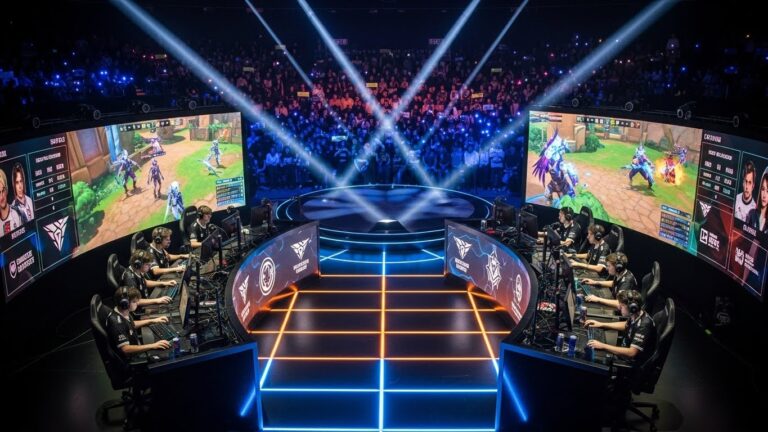
Esports tournaments often take place in front of massive live audiences, with millions more watching online. Players can hear the roar of the crowd, the commentary of casters, and the ticking clock as every decision they make is analyzed in real time. The competitive environment can be as stressful as playing in a World Cup final for traditional athletes.
High Stakes and Careers on the Line
Esports careers are notoriously short. Many professionals peak in their late teens or early twenties, meaning that every opportunity is crucial. Prize pools can be enormous, with some events offering millions of dollars in winnings. For players, one match can affect not only their income but also their reputation and long-term career trajectory.
Social Media and Public Scrutiny
Unlike athletes in traditional sports who have been dealing with media attention for decades, many young esports players are thrust into the limelight with little preparation. Every mistake in-game can lead to criticism on platforms like Twitter, Reddit, or streaming chats. The fear of letting down fans, teammates, or sponsors adds to the mounting pressure.
Psychological Challenges
Performance Anxiety
One of the biggest challenges for esports athletes is performance anxiety. When the stakes are high, even the most mechanically skilled players can struggle with self-doubt or nerves. Hands might shake, decisions may become rushed, and concentration can waver.
Burnout
Esports athletes often practice for ten to twelve hours a day, sometimes longer. This intense schedule can lead to mental exhaustion, which magnifies the pressure when competition arrives. Burnout doesn’t just affect performance; it also creates long-term mental health challenges that can prematurely end careers.
Imposter Syndrome
Many players, even at the top level, struggle with imposter syndrome—the belief that they are not as good as others perceive them to be. This can be especially common in young athletes who rise to fame quickly. When combined with high expectations, this mindset amplifies the pressure to constantly prove oneself.
Physical Demands That Add to Pressure
Reaction Time and Precision
Esports titles require split-second reaction times and precise mechanical execution. Even the slightest delay in reaction can mean losing a fight, a round, or even a championship. Athletes know that their physical performance directly influences outcomes, which adds to the pressure of staying sharp and consistent.
Eye Strain and Fatigue
Long practice sessions, extended tournament play, and constant screen exposure lead to eye strain, headaches, and physical fatigue. These physical effects can make it harder to stay calm under pressure because discomfort impacts concentration.
Physical Fitness as a Coping Mechanism
Interestingly, many modern esports organizations now emphasize physical training. Players are encouraged to exercise regularly, eat well, and sleep properly. These routines don’t just improve physical health but also help manage stress and pressure during competition.
Coping Mechanisms and Strategies
Mental Coaching and Sports Psychology
Many professional esports organizations now employ mental coaches or sports psychologists. These specialists help players develop techniques like visualization, breathing exercises, and mindfulness to manage nerves and perform under stress. Mental coaching is becoming as important in esports as strategy and mechanical training.
Practice and Preparation
One of the most effective ways athletes deal with pressure is through preparation. Teams spend countless hours practicing strategies, analyzing opponents, and simulating tournament conditions. Familiarity breeds confidence, and being prepared makes the stage feel less intimidating.
In-Game Focus Techniques
Players often use specific focus techniques to keep their minds anchored during competition. Some repeat mantras or affirmations, others rely on communication with teammates to stay grounded. Many consciously narrow their attention to the present moment, avoiding thoughts about past mistakes or future consequences.
Building Routines
Routines play a crucial role in stress management. Athletes might eat the same meal before games, listen to music, or follow warm-up drills to settle into a rhythm. These rituals create a sense of stability and control, reducing the unpredictability of competition.
Team Support
Esports is rarely a solo endeavor. Most games require strong teamwork and communication. When players trust their teammates, the burden of pressure becomes shared. Teams with strong chemistry often find it easier to weather stressful moments compared to those with internal conflicts.
The Role of Experience
Learning from Failure
Many professional players emphasize that learning to handle pressure comes from experience. After losing heartbreaking matches or making mistakes on big stages, athletes gradually develop thicker skin. Over time, failures become lessons that build resilience.
Veteran Leadership
Experienced players often guide younger teammates through stressful situations. Having someone who has faced similar circumstances before can provide reassurance and perspective. Veteran leadership often makes the difference in tight matches where nerves are high.
Confidence Through Success
On the flip side, success itself breeds confidence. Winning builds trust in one’s ability to perform under pressure, which helps in future competitions. Confidence does not eliminate nerves but helps players channel them into positive energy.
Cultural Differences in Handling Pressure
Eastern vs. Western Approaches
Different regions in esports approach pressure in unique ways. In many Asian countries, teams adopt regimented training routines and emphasize discipline. In Western regions, there is often more emphasis on individual freedom and creativity. These cultural approaches shape how players mentally prepare and handle the stress of competition.
Fan Expectations
In some regions, fans place enormous pressure on their favorite teams, while in others, the community is more forgiving. For example, South Korean esports players often face heavy public criticism for underperformance, which pushes them to adopt stricter coping mechanisms. In contrast, Western players may find more acceptance for occasional setbacks.
The Role of Technology in Reducing Pressure
Training Tools
Software tools that track performance and simulate tournament conditions help players feel more prepared. By replicating high-stress situations in practice, athletes build confidence before stepping onto the stage.
Biofeedback Devices
Some teams use biofeedback devices to monitor stress levels, heart rates, and breathing patterns. With this information, coaches can train athletes to recognize signs of stress and employ relaxation techniques during competition.
Streaming and Exposure
Many players also handle pressure better because of constant exposure to streaming. By performing in front of thousands of viewers online every day, they become desensitized to public scrutiny, which translates to greater composure in live tournaments.
Support Systems Beyond the Game
Family and Friends
Personal support systems outside of gaming are essential. Family encouragement or friends who provide grounding outside the esports bubble help athletes maintain perspective. Knowing there is life beyond gaming reduces the overwhelming feeling that every match defines their worth.
Organizational Support
Top esports organizations now offer wellness programs, mental health counseling, and structured schedules. By reducing stressors off the stage, organizations help athletes focus solely on performance when it matters most.
Fan Positivity
While criticism can add pressure, fan support can also be uplifting. Messages of encouragement, cheers from the crowd, and community appreciation can inspire athletes to push through pressure-filled moments.
Famous Examples of Handling Pressure
Miracle Moments
Throughout esports history, countless examples exist of players rising to the occasion under immense pressure. Clutch plays in games like Counter-Strike, League of Legends, or Dota 2 have become legendary not just for their skill but for the composure shown in impossible situations.
Redemption Stories
Some athletes have stumbled under pressure early in their careers, only to later return stronger and more resilient. These redemption arcs demonstrate how overcoming pressure is not just about in-game skill but about long-term growth and mental toughness.
The Future of Pressure Management in Esports
As esports continues to grow, managing pressure will become even more important. Future generations of athletes will enter an industry with higher stakes, larger audiences, and greater financial incentives. The integration of sports psychology, physical wellness, and technological training tools will become standard practice.
Organizations are already recognizing that talent alone is not enough; mental resilience is equally vital. Future esports stars will likely receive training not only in mechanics and strategy but also in public speaking, social media management, and stress reduction. This holistic approach will help ensure that pressure becomes a motivating force rather than a destructive one.
Conclusion
Esports athletes face immense pressure that combines elements of traditional sports, entertainment, and digital culture. They perform under the watchful eyes of millions, where every click, strategy, and decision is judged. The weight of expectation, short career spans, and constant scrutiny make pressure a defining part of professional gaming.
Yet, through mental preparation, physical conditioning, support systems, and experience, these athletes learn to transform pressure into performance. For many, the ability to thrive under stress is what separates champions from the rest.
As esports continues to expand globally, understanding how athletes handle pressure will not only shape the success of individuals and teams but also define the resilience of the industry itself. The story of esports is not just about skill with a mouse and keyboard; it is about the human ability to rise, adapt, and excel when the world is watching.
About the Author