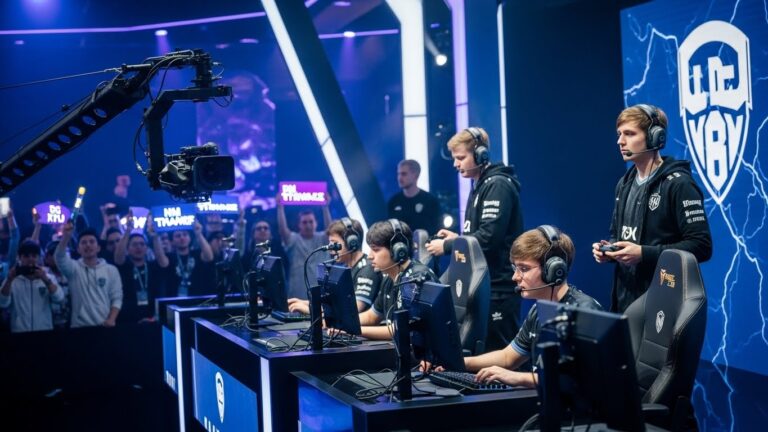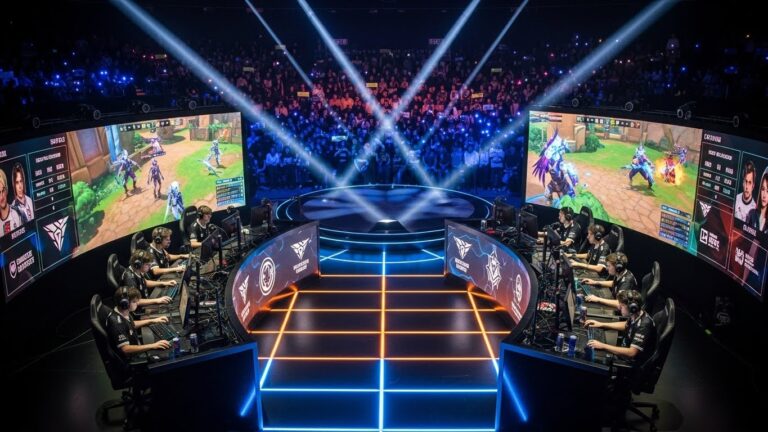
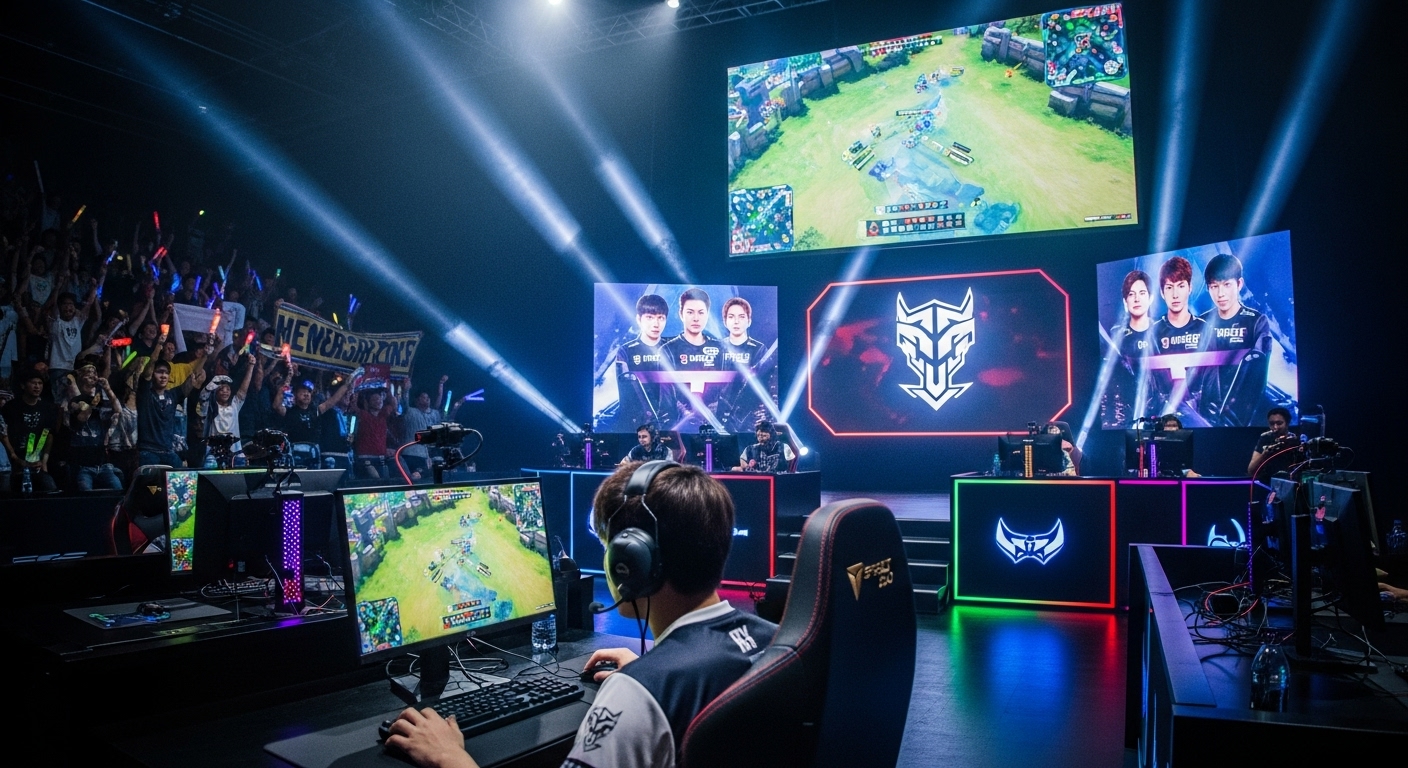
Esports has evolved from a niche pastime into a professional industry that rivals traditional sports in terms of competition, viewership, and revenue. With millions of fans tuning in to watch high-level competitions, and organizations investing millions in teams and infrastructure, every aspect of esports has become more sophisticated. Among these advancements, data analytics has emerged as a transformative force in how players train, strategize, and perform. The integration of analytics into esports training is not just a trend but a fundamental shift that is redefining the way players prepare for competition.
The Rise of Data-Driven Esports
Traditionally, esports training relied heavily on practice, intuition, and experience. Players would spend countless hours perfecting their mechanics, studying opponents, and developing strategies. While this approach can yield results, it often lacks the precision and insight that data analytics can provide. With the advent of advanced software, game telemetry, and machine learning, esports organizations now have the tools to analyze gameplay in unprecedented detail. Every action a player takes, from movement patterns to reaction times, can be measured and optimized.
Data-driven approaches allow teams to move beyond subjective assessment and embrace objective performance metrics. This shift mirrors what traditional sports like basketball, football, and baseball experienced with the introduction of sports analytics. In esports, the stakes are high, and even minor improvements in efficiency, decision-making, or team coordination can make the difference between victory and defeat.
Understanding Key Metrics in Esports Analytics
Data analytics in esports focuses on a range of metrics that provide insights into player performance, team dynamics, and strategic decision-making. These metrics can be broadly categorized into three areas: individual performance, team performance, and opponent analysis.
Individual Performance Metrics
At the individual level, data analytics evaluates core skills such as reaction time, accuracy, mechanical consistency, and decision-making speed. For first-person shooter games, metrics like kill-to-death ratio, headshot percentage, and movement efficiency are essential indicators of a player’s effectiveness. In strategy games, metrics might focus on resource management, unit production rates, or timing efficiency.
Advanced analytics can also track patterns in player behavior. For example, machine learning algorithms can identify tendencies in how a player responds to specific scenarios, highlighting both strengths and weaknesses. Coaches can then design personalized training regimens to target areas for improvement, making practice sessions more efficient and impactful.
Team Performance Metrics
Esports is not only about individual skill; team coordination is equally critical. Data analytics allows coaches to measure how effectively a team communicates, rotates, and executes strategies. Metrics like objective control, map dominance, and synchronized action timings provide insight into team synergy.
For team-based games, analytics can also evaluate role-specific performance. Support players in multiplayer online battle arena (MOBA) games, for instance, can be assessed on healing efficiency, vision control, and assist ratios, while damage dealers are measured by damage output, target prioritization, and positioning. This level of granularity enables coaches to optimize team compositions and refine in-game strategies with precision.
Opponent Analysis
A critical aspect of esports training is studying opponents. Data analytics allows teams to analyze their competition in depth, identifying patterns, tendencies, and weaknesses. By reviewing historical match data, coaches can predict likely strategies, understand common mistakes, and prepare counter-strategies.
For professional esports teams, understanding the opponent is as important as improving one’s own gameplay. Analytics tools can identify how often an opposing player takes aggressive positions, the timing of ultimate abilities, or common decision-making errors. This insight allows teams to exploit weaknesses and develop adaptive strategies that give them a competitive edge.
The Role of Machine Learning in Esports Training
Machine learning has revolutionized how data is applied in esports training. Traditional analytics can identify correlations, but machine learning goes further by predicting outcomes and generating actionable insights.
Predictive Analysis
Predictive models can forecast player performance based on past behavior and game conditions. For example, if a player consistently struggles under pressure in late-game scenarios, machine learning algorithms can identify this trend and alert coaches. This predictive capability enables teams to intervene before patterns negatively impact competitive performance.
Personalized Training Programs
Machine learning algorithms can create personalized training programs tailored to each player’s strengths and weaknesses. These programs can recommend specific drills, in-game scenarios, or strategic exercises that target areas needing improvement. For professional esports players, where even marginal gains matter, this level of customization can significantly enhance overall performance.
Simulation and Scenario Planning
Another key application of machine learning is simulation. Teams can run virtual scenarios using historical data, simulating high-pressure situations to see how players react. This approach allows players to practice strategies without the risks associated with real matches and gives coaches the ability to refine tactics based on simulated outcomes.
Wearable Technology and Physiological Analytics
Esports is not purely mental; physical condition plays a vital role in sustained performance. Wearable technology, including biometric sensors and heart rate monitors, has become an integral part of data-driven training.
By tracking metrics such as heart rate variability, stress levels, and reaction times, coaches can gain insight into how physical and mental fatigue affect performance. This data allows teams to optimize practice schedules, ensuring players maintain peak performance during critical matches.
Additionally, physiological analytics can help prevent burnout and overtraining. By monitoring sleep patterns, recovery times, and workload, esports organizations can protect their players’ long-term health while maintaining high performance levels.
Data Analytics for Strategic Development
Beyond individual and team performance, data analytics is a powerful tool for strategic development. Teams can analyze in-game trends to develop innovative strategies that capitalize on current meta shifts or counter popular tactics.
For example, in MOBA games, analytics can reveal which champions or characters are most effective in current competitive play. Teams can then devise strategies that maximize these characters’ strengths while mitigating weaknesses. Similarly, in first-person shooters, map-specific analytics can identify choke points, optimal rotation paths, and key engagement zones. This strategic insight enables coaches to craft game plans with a higher likelihood of success.
Challenges in Implementing Data Analytics in Esports
While data analytics offers enormous potential, integrating it into esports training comes with challenges.
Data Quality and Accessibility
The effectiveness of analytics depends on the quality of data collected. Inconsistent or incomplete data can lead to incorrect conclusions and flawed strategies. Additionally, access to comprehensive data can vary depending on the game, platform, or tournament regulations.
Resistance to Change
Some players and coaches may resist the adoption of data analytics, preferring traditional methods. Changing established training routines requires time, education, and evidence of tangible benefits.
Overreliance on Metrics
Another potential pitfall is overreliance on quantitative metrics. While data provides invaluable insights, it cannot capture the full context of human behavior, creativity, or intuition. Successful esports training balances data-driven analysis with human judgment and experience.
Case Studies: Data Analytics in Action
Several professional esports organizations have already demonstrated the power of analytics in training. Top-tier teams in games like League of Legends, Dota 2, and Counter-Strike: Global Offensive employ dedicated analysts who review gameplay footage, track metrics, and generate reports to inform practice sessions.
In one notable example, a League of Legends team used analytics to study an opponent’s early-game rotation patterns. By identifying predictable movements, the team adjusted their strategy and secured a decisive advantage in subsequent matches. Similarly, first-person shooter teams have leveraged heat maps and reaction time analysis to refine map control strategies and optimize engagement timings.
These case studies illustrate that data analytics is not a supplementary tool but a central component of competitive esports training. Teams that embrace data-driven methods often gain a measurable edge over less analytical competitors.
The Future of Esports Training and Analytics
The future of esports training is inextricably linked to the continued development of data analytics. Emerging technologies such as artificial intelligence, virtual reality, and advanced simulation tools promise to further enhance training methods.
AI-Enhanced Coaching
Artificial intelligence has the potential to act as a virtual coach, providing real-time feedback and tactical recommendations during practice sessions. AI coaches can analyze player behavior, suggest optimal strategies, and even simulate opponent responses to create a dynamic and adaptive training environment.
Virtual Reality Training
Virtual reality offers immersive training scenarios that replicate the pressures of competitive play. Combined with data analytics, VR training can provide detailed feedback on positioning, timing, and decision-making. This combination of realism and analytical insight allows players to refine skills in a controlled but realistic environment.
Cross-Game Analytics
As esports continues to expand across multiple genres, cross-game analytics could emerge as a powerful tool. By analyzing performance patterns across different games, organizations may identify transferable skills and optimize player training in novel ways. For example, reaction time improvements in a first-person shooter may benefit strategy execution in a real-time strategy game.
Conclusion
Data analytics has fundamentally transformed the landscape of esports training. From individual performance metrics and team coordination to strategic development and opponent analysis, analytics provides objective insights that were previously inaccessible. The integration of machine learning, wearable technology, and simulation tools further amplifies the impact, allowing players and teams to optimize training, prevent burnout, and achieve peak performance.
While challenges such as data quality, resistance to change, and overreliance on metrics exist, the benefits of data-driven training far outweigh the drawbacks. Teams that embrace analytics are better positioned to succeed in the increasingly competitive world of esports.
About the Author