Introduction: From Leisure to Legendary Competitions
In the past, sports were defined by physical exertion, stadiums filled with cheering fans, and athletes pushing the limits of their bodies. Today, a new form of competition has emerged that transcends the physical world. Esports, or electronic sports, has transformed gaming into a professional, competitive, and global phenomenon. What once began as casual gaming has now become a structured industry with professional players, teams, tournaments, sponsorships, and millions of viewers worldwide. Esports is not just about playing games anymore; it represents a blend of strategy, skill, entertainment, and culture that rivals traditional sports in both scope and influence.
The Origins of Esports: From Arcades to Online Arenas
The roots of esports trace back decades, beginning with early video games like Pong and Space Invaders. The first recorded competitive gaming event took place at Stanford University in 1972, featuring Spacewar players competing for a small prize. By the 1980s, arcades became hubs for high-score competitions, bringing gamers together in public spaces. The 1990s marked a turning point with the rise of personal computers and multiplayer games such as Doom and Quake, allowing players to compete against each other more strategically. Local area network parties became a staple of gaming culture, laying the groundwork for organized esports tournaments. The introduction of broadband internet in the early 2000s allowed games like Counter-Strike and StarCraft to reach global audiences, transforming competitive gaming into an online spectacle.
Technological Advancements: The Engine Driving Esports Growth
Esports owes much of its success to rapid technological advancements. High-speed internet, powerful gaming hardware, and sophisticated streaming platforms have made it possible for players to compete and for fans to watch in real time. Streaming has become the modern equivalent of traditional sports broadcasting, allowing millions of viewers worldwide to experience tournaments live. Social media has amplified this growth, connecting fans with players, teams, and communities. This level of accessibility has democratized competitive gaming, giving talented individuals from anywhere the chance to rise to prominence. As technology continues to evolve, so does the potential for esports to expand into new formats and experiences, including virtual reality competitions and augmented reality arenas.
The Professional Landscape: Teams, Tournaments, and Titans
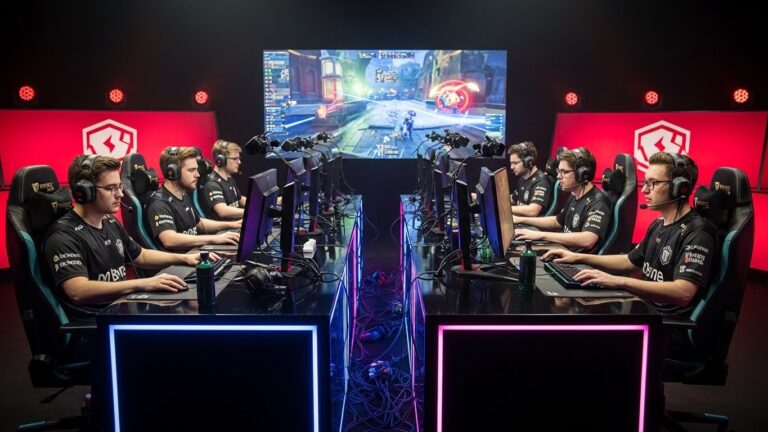
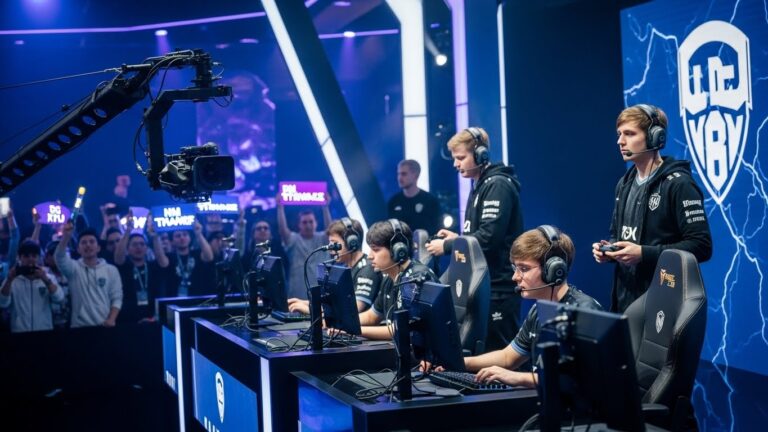
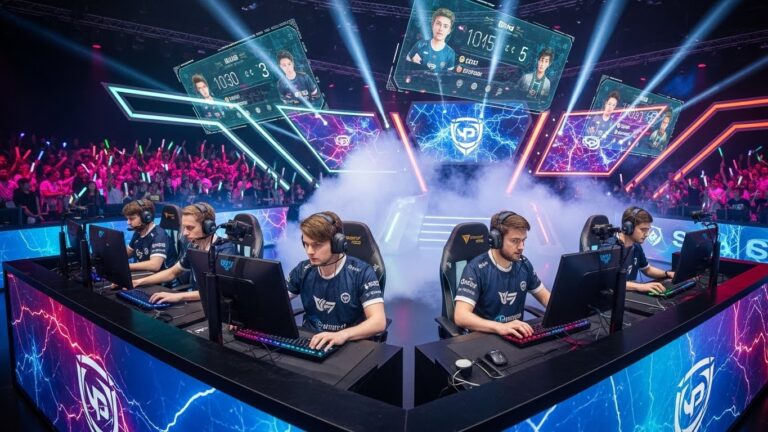
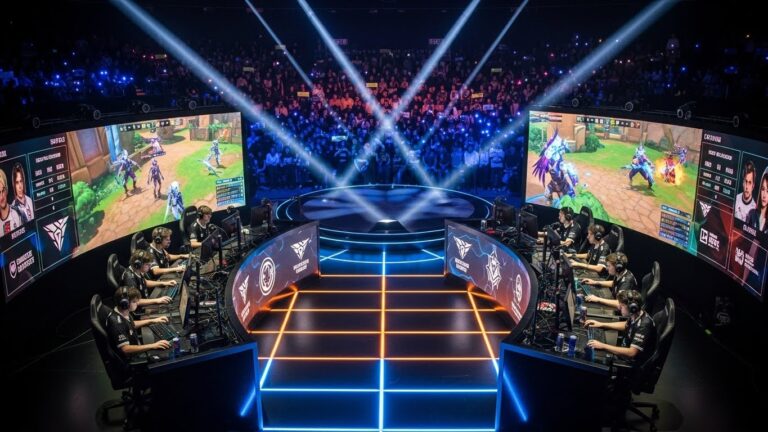
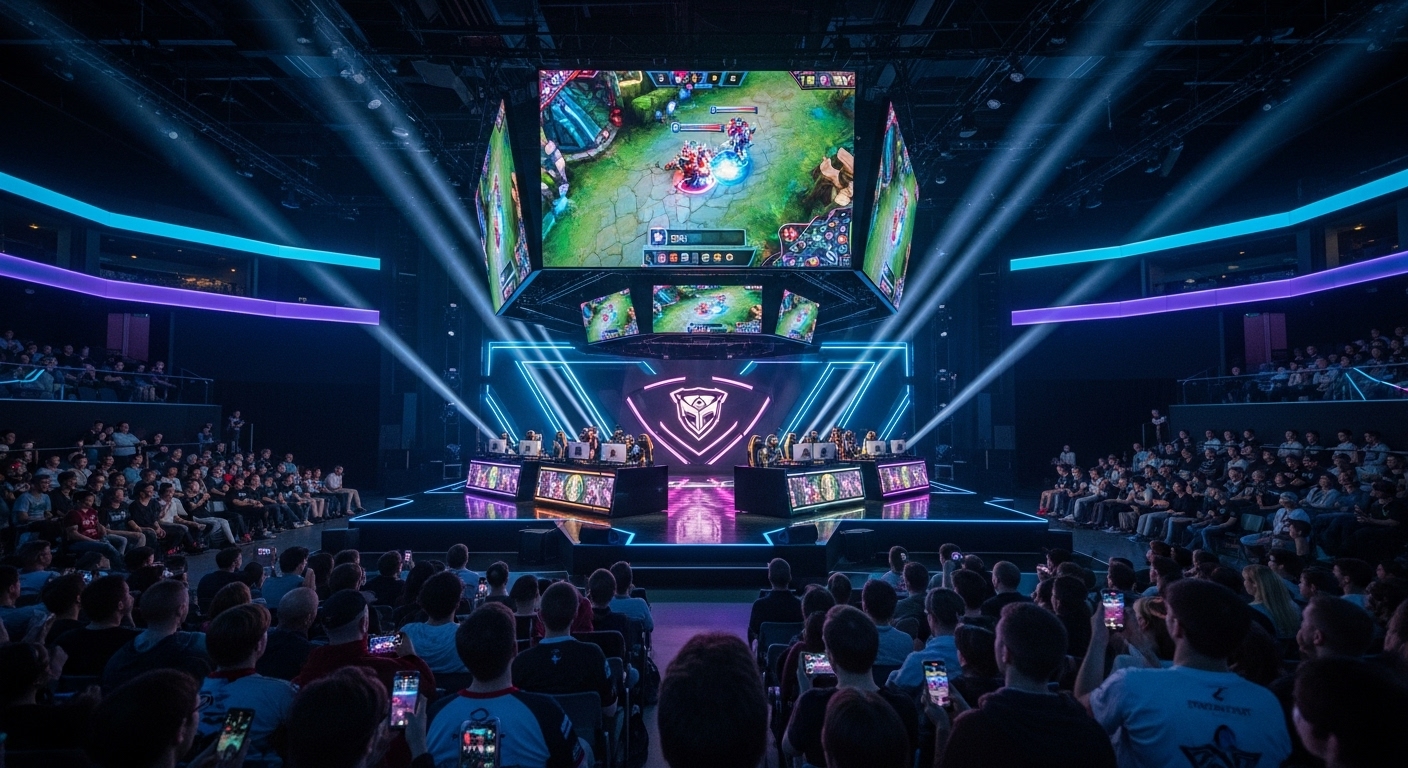
Professional esports mirrors traditional sports in structure and organization. Top-tier teams have managers, coaches, analysts, and trainers to support player performance. Popular games such as League of Legends, Dota 2, Counter-Strike, and Valorant have established professional leagues with substantial prize pools and sponsorships. Major tournaments like The International and the League of Legends World Championship attract millions of viewers, both online and in stadiums, showcasing the global appeal of esports. These competitions are not just games; they are spectacles of strategy, skill, and showmanship. The professionalization of esports has created a culture where players are celebrities, teams are brands, and victories are celebrated on an international scale.
The Business of Esports: Turning Passion into Profit
Esports has grown into a multi-billion-dollar industry encompassing sponsorships, merchandise, advertising, and media rights. Global brands invest heavily in esports to reach younger audiences who engage more with digital media than traditional channels. Revenue streams include tournament tickets, streaming subscriptions, brand partnerships, and content creation by players who serve as influencers. Universities and educational institutions now offer esports scholarships and academic programs, recognizing the field as both a professional and educational opportunity. The economic impact of esports is vast, creating jobs not only for players but for coaches, analysts, event organizers, commentators, and developers. The business model of esports demonstrates that gaming can be both a passion and a lucrative career path.
The Players: Athletes of the Digital Age
Professional esports players are athletes in every sense of the word, even if their arena is virtual. Competitive gaming requires discipline, precision, strategy, and endurance. Players spend hours daily refining their reflexes, communication, and teamwork skills. Mental stamina is just as critical as physical performance, as high-pressure matches demand focus, quick thinking, and adaptability. Many top teams employ physical trainers, nutritionists, and psychologists to ensure players perform at their peak. The professional gamer lifestyle is demanding, with rigorous practice schedules, travel for international competitions, and intense public scrutiny. Despite these challenges, the passion for gaming and the pursuit of excellence drive players to achieve extraordinary feats in the digital arena.
Cultural Impact: Changing Perceptions of Gaming
Esports has reshaped society’s perception of gaming. Once considered a leisure activity or a distraction, gaming is now recognized as a legitimate form of competition, entertainment, and career. Esports has transcended geographical, cultural, and social boundaries, connecting players and fans worldwide. The industry is gradually becoming more inclusive, with female gamers, LGBTQ+ players, and diverse communities gaining visibility and representation. Esports has also influenced popular culture, inspiring music, fashion, and media content. The social aspect of esports fosters collaboration, communication, and camaraderie, showing that gaming is not just about winning but about community and shared experiences.
Education and Esports: Bridging Learning and Engagement
Esports is increasingly being integrated into educational systems, providing opportunities for learning and personal development. Schools and universities are establishing esports programs that teach teamwork, leadership, critical thinking, and problem-solving. Gaming also enhances digital literacy and technical skills, which are essential for careers in technology and creative industries. Some institutions use esports to promote STEM education, highlighting coding, game design, and analytics. By combining competition with education, esports provides students with a unique platform to explore their passions while developing skills for the future. It demonstrates that gaming can be both fun and intellectually enriching.
Challenges in Esports: Sustainability and Responsibility
Despite its explosive growth, esports faces challenges that could affect its long-term sustainability. Player burnout and mental health issues are prevalent due to the intense demands of professional gaming. Fair play is another concern, with cheating, match-fixing, and doping occasionally impacting the integrity of competitions. Online toxicity and harassment remain persistent issues, requiring concerted efforts from the community and organizations. Additionally, the lack of unified regulations across games and regions can create inconsistencies in standards and practices. The esports industry is actively working to address these challenges, implementing codes of conduct, mental health support, and professional guidelines to ensure a safe and fair environment for all participants.
Esports and Traditional Sports: A Symbiotic Relationship
Esports does not compete with traditional sports but complements and expands the concept of competition. Many traditional sports organizations have embraced esports to engage younger audiences and explore digital formats. Football clubs, basketball teams, and racing leagues have launched their own esports divisions, creating new fan experiences and revenue streams. The crossover between physical and digital competition has also increased visibility for esports, bridging the gap between generations of sports fans. This relationship shows that esports and traditional sports share the same core values: passion, dedication, strategy, and entertainment. Together, they expand the definition of what it means to be an athlete in the modern era.
The Future of Esports: Innovation on the Horizon
The future of esports is filled with exciting possibilities. Emerging technologies such as virtual reality, augmented reality, and artificial intelligence are poised to revolutionize competitive gaming. Players may soon compete in fully immersive VR arenas, while AI tools could provide real-time performance analysis and coaching. Blockchain technology and digital collectibles are redefining fan engagement, allowing supporters to participate in new ways. The global rollout of 5G networks will make high-quality gaming accessible to more people, leveling the playing field and expanding esports’ reach. The integration of esports into multi-sport events and potential Olympic recognition demonstrates its growing legitimacy and influence worldwide. The industry is poised for continued growth, innovation, and cultural impact.
Human Stories Behind Esports: More Than Just a Game
Esports is ultimately about human connection and emotion. Behind every match, strategy, and victory are stories of dedication, perseverance, and teamwork. Players form friendships and rivalries that span continents, while fans develop deep loyalty to their favorite teams and players. The digital arena allows individuals to express themselves, showcase talent, and be part of a global community. Esports reminds us that competition, whether physical or virtual, is a shared human experience driven by passion, ambition, and joy. The industry continues to demonstrate that gaming is more than entertainment; it is a powerful medium for storytelling, inspiration, and social interaction.
Conclusion: Esports as a Cultural and Global Phenomenon
Esports has grown from humble beginnings to become a defining force in modern entertainment, sports, and culture. It combines technology, skill, strategy, and human creativity to create an experience that resonates with millions worldwide. The professionalization of esports has established careers, global tournaments, and cultural icons, while its integration into education and mainstream media highlights its relevance and potential. Challenges remain, but the industry’s rapid growth, innovation, and inclusivity indicate a bright future. Esports is not just a trend; it is a transformative movement that is shaping the way the world views competition, community, and achievement in the digital age.
About the Author