Introduction
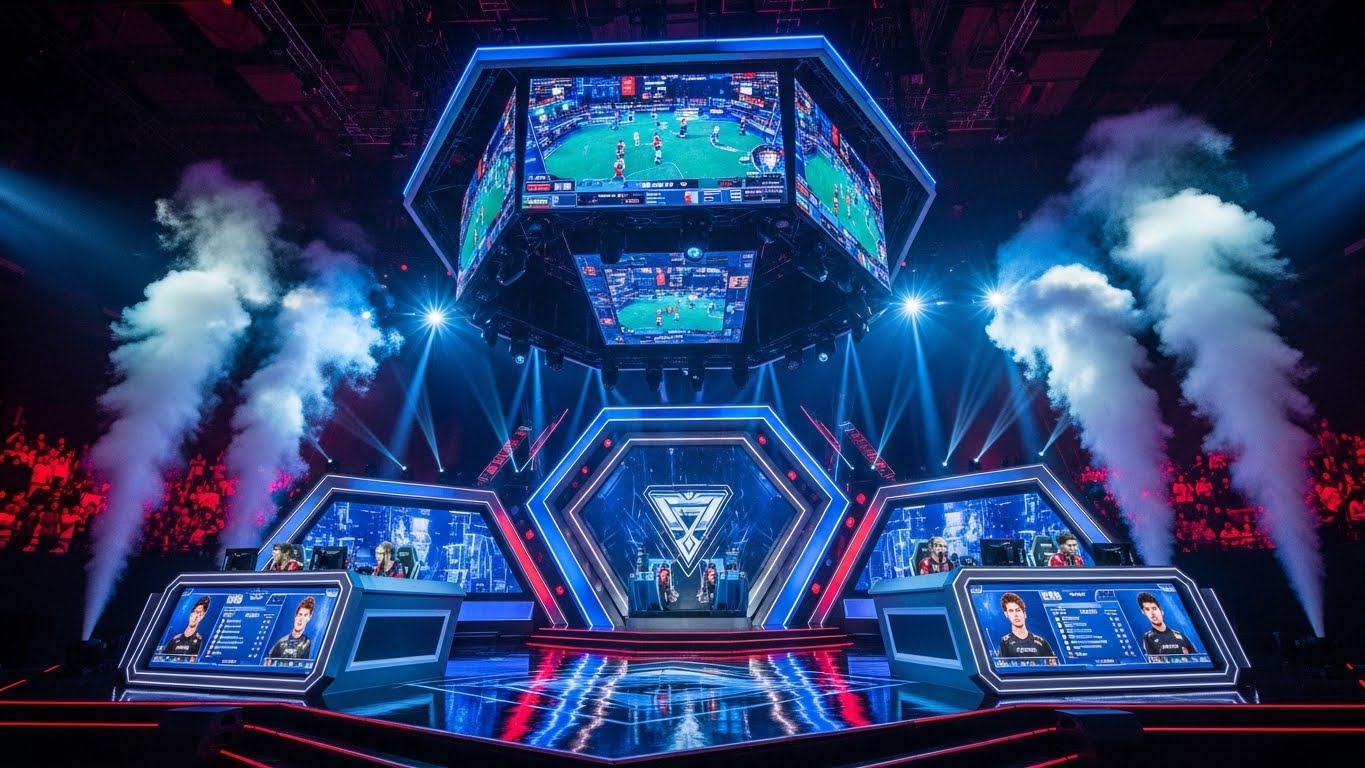
Esports, or competitive gaming, has emerged as one of the fastest-growing forms of entertainment in the modern era. Once considered a niche hobby, esports has evolved into a global industry with professional leagues, millions of fans, and prize pools rivaling traditional sports. It combines strategy, skill, teamwork, and technology to create an immersive experience for both players and spectators. This blog explores the rise of esports, its impact on culture, technology, and society, and why it has become a defining aspect of contemporary entertainment.
The Origins of Esports
Esports has its roots in the early days of video gaming competitions. In the 1970s and 1980s, arcade games such as Space Invaders and Pac-Man attracted competitive players, often participating in local tournaments. With the rise of home computers and consoles, competitive gaming expanded into titles like Street Fighter, StarCraft, and Counter-Strike. These early competitions laid the foundation for structured tournaments, organized leagues, and dedicated fan communities. Over the decades, esports has transformed from informal contests to highly professionalized competitions with international recognition.
The Growth of the Esports Industry
The esports industry has experienced exponential growth in the past decade. Professional leagues, sponsored tournaments, and streaming platforms have created a thriving ecosystem that supports players, teams, event organizers, and broadcasters. Global tournaments now attract millions of viewers online and in arenas, with prize pools reaching tens of millions of dollars. Brands and corporations invest heavily in esports sponsorships, marketing campaigns, and media rights, recognizing its influence on younger, tech-savvy audiences. The commercial success of esports demonstrates its legitimacy as both a professional pursuit and a mainstream form of entertainment.
The Popularity of Competitive Games
Esports encompasses a wide variety of competitive games, each with unique mechanics, strategies, and communities. Multiplayer online battle arena games like League of Legends and Dota 2 emphasize team coordination, strategy, and fast decision-making. First-person shooters such as Counter-Strike and Valorant demand precision, reflexes, and tactical awareness. Sports simulation games, fighting games, and real-time strategy titles also contribute to the diversity of competitive gaming. The variety of esports games ensures there is something for every type of player and fan, fueling its widespread appeal.
Esports as a Career
Professional esports has created new career paths for players, coaches, analysts, content creators, and event organizers. Top esports athletes train rigorously, often dedicating eight to twelve hours a day to practice, strategy, and physical conditioning. Success requires mental resilience, teamwork, adaptability, and constant learning. Coaches and analysts support teams with performance reviews, tactical planning, and data-driven insights. Content creators and streamers expand the reach of esports by engaging audiences through live streams, tutorials, and commentary. The professionalization of esports has transformed gaming into a viable career, attracting talented individuals worldwide.
The Role of Streaming Platforms
Streaming platforms have played a crucial role in the rise of esports. Platforms such as Twitch, YouTube Gaming, and other digital services allow fans to watch tournaments, follow their favorite players, and engage with communities in real time. Interactive features such as live chat, donations, and subscriber perks enhance viewer participation, creating a sense of connection between fans and players. Streaming has also democratized access to esports content, allowing smaller tournaments and amateur players to gain visibility and recognition. These platforms have transformed esports into a highly engaging, participatory form of entertainment.
The Economics of Esports
Esports is not only a cultural phenomenon but also a significant economic force. Revenue streams include sponsorships, media rights, advertising, merchandise sales, ticket sales for live events, and digital content subscriptions. Major organizations invest heavily in player development, marketing, and event production. Esports tournaments generate employment opportunities for professionals across broadcasting, event management, coaching, and content creation. The industry’s economic growth underscores its importance, demonstrating that esports is a sustainable, high-value sector with global impact.
Mental and Physical Demands of Esports
Competitive gaming requires intense mental focus, strategic thinking, and rapid decision-making. Players must maintain sharp reflexes, anticipate opponents’ moves, and adapt strategies on the fly. While esports may appear sedentary, physical fitness is increasingly emphasized to enhance concentration, reduce fatigue, and maintain overall health. Professional players incorporate exercise, nutrition, and mental conditioning into their routines, highlighting the holistic demands of esports. The combination of mental acuity and physical preparation distinguishes esports from casual gaming, reinforcing its status as a professional endeavor.
The Social Impact of Esports
Esports has created global communities that connect players and fans across cultures and borders. Online forums, social media groups, and fan pages allow enthusiasts to share strategies, discuss gameplay, and celebrate achievements. Esports fosters collaboration and communication, especially through team-based games that require coordination and trust. Additionally, esports events often inspire young players to develop skills, pursue careers, or engage in creative content production. The social impact of esports extends beyond entertainment, promoting connection, collaboration, and personal growth.
Esports and Education
Esports is increasingly recognized as a tool for education and skill development. Academic institutions have established esports programs and scholarships, integrating competitive gaming into curricula and campus life. Participation develops critical thinking, teamwork, leadership, and time management skills. Educational initiatives in esports also teach digital literacy, media production, and event management. By combining gaming with structured learning, esports programs prepare students for careers in technology, media, and professional gaming, bridging entertainment with education.
Women in Esports
The role of women in esports has grown significantly in recent years. Female players, streamers, and commentators are breaking barriers in a historically male-dominated industry. Organizations and tournaments increasingly promote gender inclusivity, providing platforms for women to showcase talent and gain recognition. Female participation enriches esports communities, diversifies perspectives, and inspires future generations. The rise of women in esports highlights the industry’s commitment to inclusivity, representation, and equal opportunity.
Global Esports Tournaments
Major esports tournaments draw massive audiences and media coverage, similar to traditional sporting events. Competitions like the League of Legends World Championship, Dota 2’s The International, and Fortnite World Cup feature high-stakes gameplay, elaborate production, and international teams. These events create shared experiences for fans, spark cultural conversations, and celebrate skill and strategy at the highest levels. Global tournaments also encourage cross-cultural collaboration, showcasing esports as a truly international phenomenon.
The Future of Esports
The future of esports is bright and full of potential. Emerging technologies such as virtual reality, augmented reality, and AI-driven gameplay promise to enhance immersion, interactivity, and spectator engagement. Esports will continue to expand into mainstream entertainment, with greater recognition from media outlets, sponsors, and educational institutions. As the industry grows, inclusivity, accessibility, and sustainability will be key priorities, ensuring that esports remains a positive, professional, and globally impactful force.
Conclusion
Esports has transformed the way we perceive gaming, competition, and entertainment. It is no longer a niche hobby but a professional, global industry that blends skill, strategy, creativity, and technology. From professional players and global tournaments to streaming platforms and educational programs, esports influences culture, community, and individual development. Its economic impact, social significance, and technological innovation demonstrate that esports is a defining element of modern entertainment. As it continues to grow, esports will shape the future of competition, inspiring new generations of players, fans, and creators worldwide.
About the Author