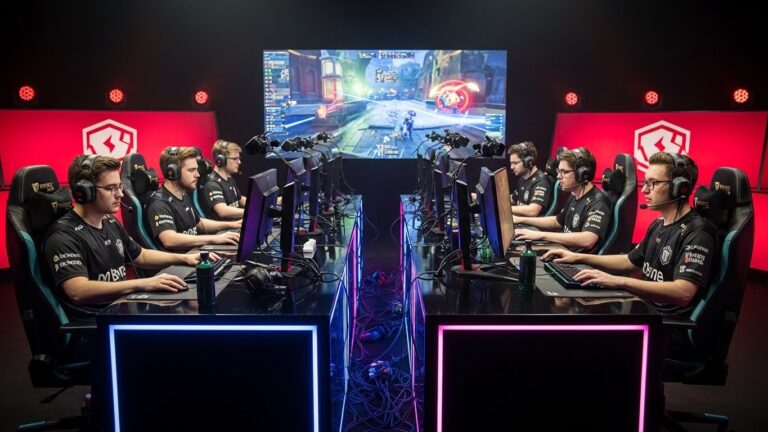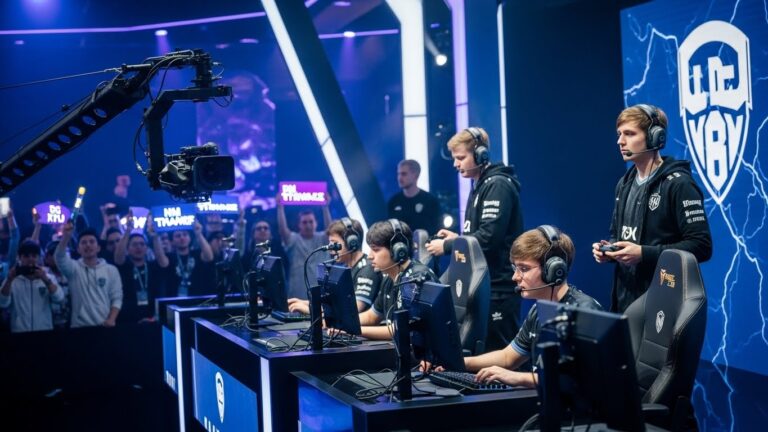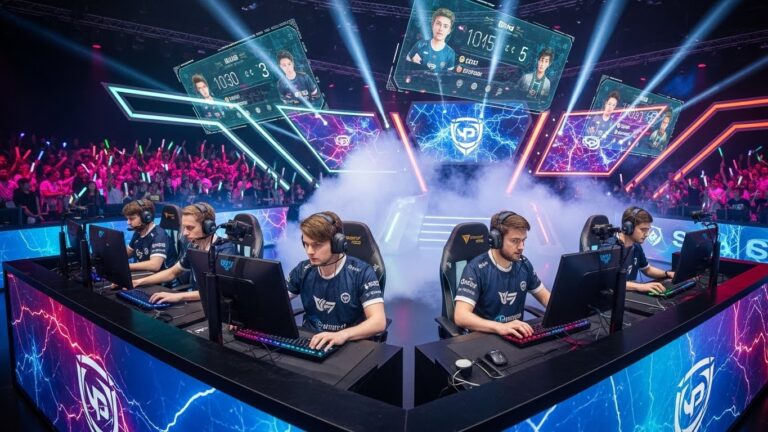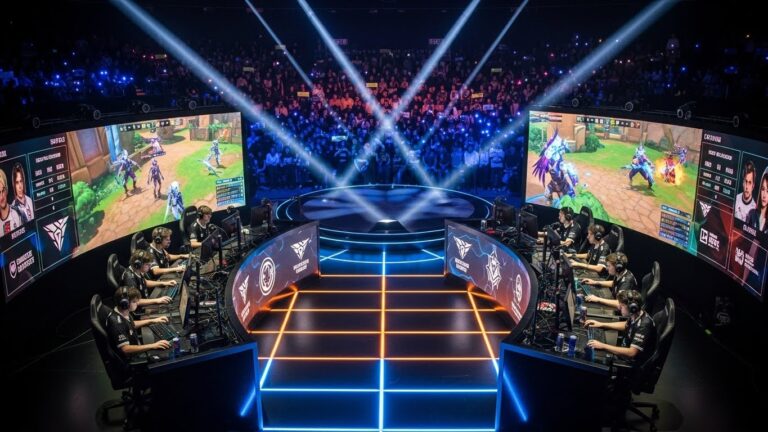
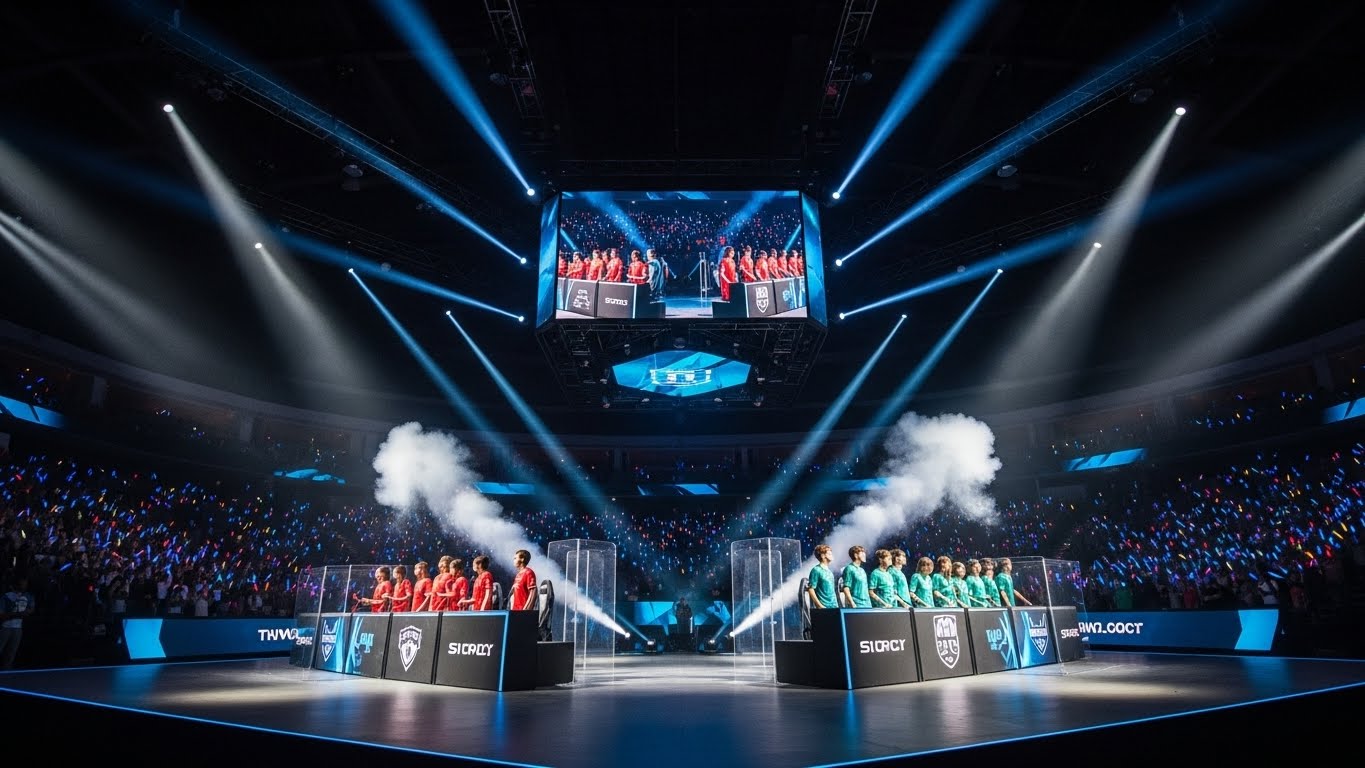
Esports has transformed dramatically over the past two decades, evolving from casual gaming competitions to a global phenomenon with professional leagues, massive audiences, and cultural significance that rivals traditional sports. Today, esports is not only a form of entertainment; it is a platform for skill, strategy, community building, and career opportunities. The rise of esports highlights the growing influence of digital culture in shaping modern competition, lifestyle, and even education.
The Birth of Competitive Gaming
The concept of competitive gaming began in the late 1970s and early 1980s when arcade competitions became popular. Players competed for high scores in games such as Space Invaders and Pac-Man, often with their names displayed on leaderboards. These early competitions were informal, yet they set the stage for the idea that gaming could involve skill, recognition, and competition.
The real turning point came in the 1990s with multiplayer online games like StarCraft, Counter-Strike, and Quake. These games introduced team-based strategies, real-time competition, and online play, allowing gamers from different regions to compete against one another. This era established the foundation for esports as a professional and globally connected industry.
The Rise of Esports Popularity
Esports has grown exponentially in the last decade, attracting millions of viewers worldwide. Major tournaments now fill stadiums and draw online audiences comparable to traditional sporting events. Popular titles such as League of Legends, Dota 2, Fortnite, and Call of Duty have become global phenomena, combining fast-paced action with strategic depth that captivates fans.
The advent of live streaming platforms has further accelerated esports’ popularity. Players can broadcast matches to global audiences in real time, creating interactive communities where fans engage with professional gamers. This accessibility has transformed esports into a spectator-driven industry, enabling anyone with an internet connection to participate as both viewer and competitor.
Esports as a Professional Career
Esports is no longer merely a hobby; it has become a legitimate career path. Professional players train rigorously, dedicating several hours a day to practice, strategy sessions, and team coordination. Similar to traditional sports, professional esports teams employ coaches, analysts, and support staff to optimize performance.
Earnings come from multiple sources including tournament winnings, sponsorships, streaming revenue, and merchandise. Top players have become household names, influencing gaming culture and inspiring new generations of gamers. Esports’ professionalization has also led to the development of collegiate programs, internships, and coaching roles, expanding career opportunities beyond playing alone.
The Mental and Strategic Demands of Esports
Success in esports requires more than quick reflexes. Players must develop strategic thinking, multitasking abilities, and teamwork skills. In team-based games, communication and coordination are critical to executing complex strategies under time pressure. Players must adapt to ever-changing game mechanics, updates, and competitive meta shifts.
Esports also demands psychological resilience. Players learn to handle pressure, recover from losses, and maintain focus during long competitions. These mental skills translate into real-world benefits, fostering discipline, problem-solving, and emotional intelligence.
Psychological and Social Benefits
Esports offers a range of psychological and social advantages. Competitive gaming sharpens decision-making skills, improves reaction times, and encourages analytical thinking. It also promotes persistence, patience, and adaptability, as players must continuously refine strategies to remain competitive.
Socially, esports creates strong communities. Fans, players, and content creators connect through tournaments, live streams, forums, and local gaming clubs. These connections often transcend geographical and cultural boundaries, allowing individuals to form friendships and collaborate with others who share their passion. Esports communities provide a sense of belonging, identity, and social engagement for participants of all ages.
Esports in Education
The educational potential of esports is increasingly recognized. Schools and universities have started offering esports programs, scholarships, and competitive teams. Students gain skills in teamwork, communication, leadership, and digital literacy while pursuing their interest in gaming.
Some programs go beyond gameplay to teach event management, broadcasting, analytics, and game design. By integrating esports into education, students can explore career pathways in the rapidly growing gaming and tech industries. Esports in education also encourages strategic thinking, problem-solving, and collaboration, preparing students for professional and personal success.
The Economic Impact of Esports
Esports has become a billion-dollar industry. Revenue is generated through tournament prizes, sponsorships, media rights, merchandise, and digital content. High-profile events attract global audiences and stimulate local economies by boosting tourism, hospitality, and media exposure.
Esports organizations operate as businesses with global branding, marketing strategies, and professional management. Partnerships with technology companies, apparel brands, and entertainment networks expand their reach and revenue streams. The financial impact of esports demonstrates that competitive gaming is a major economic force, providing employment and investment opportunities worldwide.
Globalization of Esports
Esports transcends national and cultural boundaries. International tournaments feature teams from multiple continents, showcasing diverse strategies and playstyles. Global competition encourages cultural exchange and highlights the importance of inclusivity and representation within the industry.
The international nature of esports also provides opportunities for players from underrepresented regions to gain recognition and compete at the highest levels. This accessibility fosters a global community of fans and professionals united by a shared love of gaming.
Challenges Facing Esports
Despite its rapid growth, esports faces several challenges. Player burnout and mental health issues are common due to long hours, high pressure, and intense competition. Providing support, wellness programs, and structured schedules is crucial for sustaining careers.
Regulatory challenges also exist, including standardizing tournament rules, ensuring fair play, and protecting player rights. Establishing consistent governance and ethical guidelines is essential to maintaining integrity and long-term growth within the industry.
Technological Advancements in Esports
Technology is central to esports. High-performance gaming equipment, streaming software, and analytical tools enhance both competition and viewer experience. Emerging technologies such as virtual reality, augmented reality, and artificial intelligence are set to further transform the industry, providing immersive experiences and advanced training methods.
Technology also enhances fan engagement. Spectators can interact with players, comment in real time, and participate in events virtually. This interactive ecosystem distinguishes esports from traditional sports and makes the experience more engaging for audiences worldwide.
Cultural Influence of Esports
Esports has had a profound cultural impact. Professional players have become celebrities, influencing fashion, entertainment, and social media trends. Streaming content and tournaments have created a new form of entertainment consumed by millions globally.
Esports has also begun influencing traditional media, with networks and publications covering major tournaments, player stories, and industry developments. This growing cultural integration demonstrates that esports is more than gaming—it is a significant part of modern entertainment and lifestyle.
The Future of Esports
The future of esports is bright and full of potential. Audience growth, technological innovation, and investment will continue to shape the industry. Inclusivity, mental health awareness, and ethical governance will be key priorities for sustainable growth.
Esports is likely to intersect further with education, entertainment, and professional development, creating opportunities for new careers and cultural experiences. The industry will continue to challenge traditional notions of competition and redefine how communities interact, learn, and entertain themselves in a digital world.
Conclusion: Esports as a Transformative Force
Esports is no longer just a niche hobby; it is a transformative cultural, social, and economic phenomenon. It has created professional careers, global communities, educational opportunities, and technological innovations that influence lives far beyond the gaming screen.
It demonstrates that skill, strategy, and dedication are universal values, empowering individuals to pursue their passions while connecting with a worldwide audience. Whether as a professional player, an aspiring competitor, or a devoted fan, esports offers opportunities for growth, learning, and meaningful engagement. In the modern era, esports is more than a game—it is a movement shaping the future of entertainment, culture, and human connection.
About the Author