Introduction: A Digital Revolution in Competition
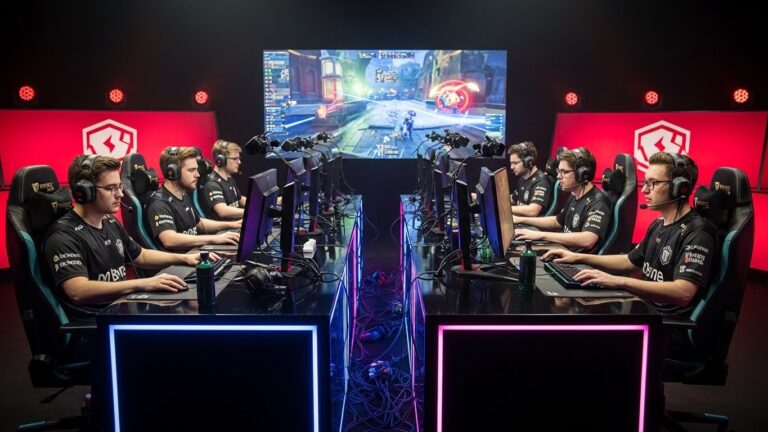
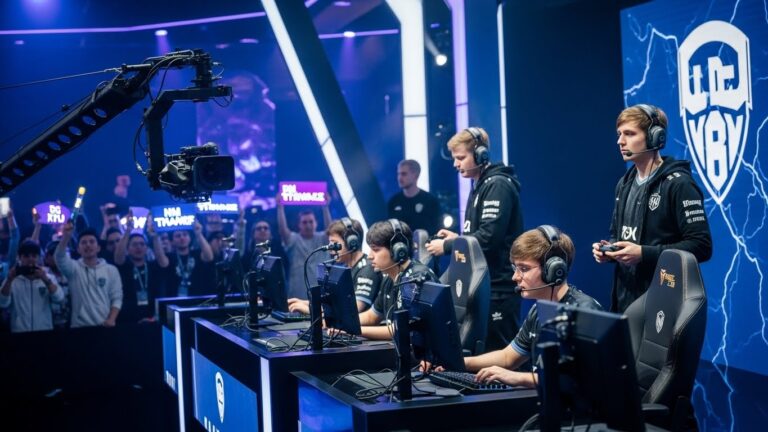
In the last decade, esports has transitioned from a niche hobby to a global phenomenon. Once perceived as casual gaming entertainment, competitive gaming has now become a structured, highly professional industry that rivals traditional sports in both popularity and revenue. With millions of viewers tuning in to watch live tournaments, professional gamers earning substantial incomes, and brands investing heavily in sponsorships, esports represents a significant shift in how we perceive competition, entertainment, and digital culture.
The Evolution of Esports: From Arcades to Global Arenas
The history of esports can be traced back to the late 1970s and early 1980s when arcade games and early home consoles started gaining popularity. Competitions were primarily local events where players could showcase their skills. The concept of esports began to formalize in the 1990s with the emergence of competitive video games like Street Fighter, StarCraft, and Quake.
With the rise of high-speed internet in the early 2000s, esports entered a new phase. Online multiplayer games allowed global competitions to take place without geographical constraints. Titles such as Counter-Strike and Warcraft III laid the foundation for organized competitive gaming, and the first major online tournaments began attracting thousands of spectators worldwide.
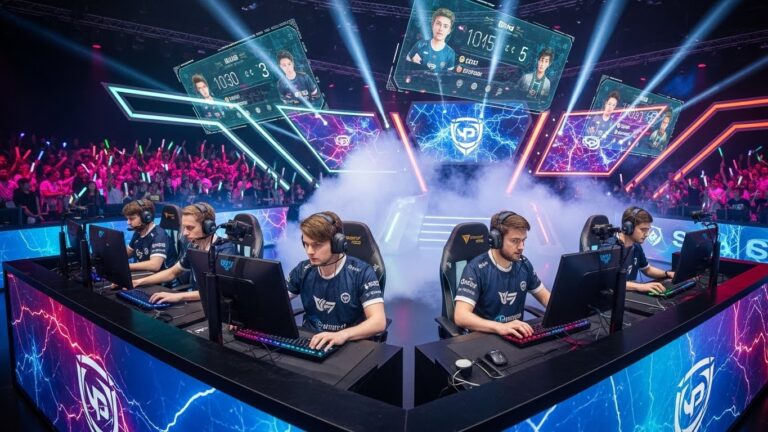
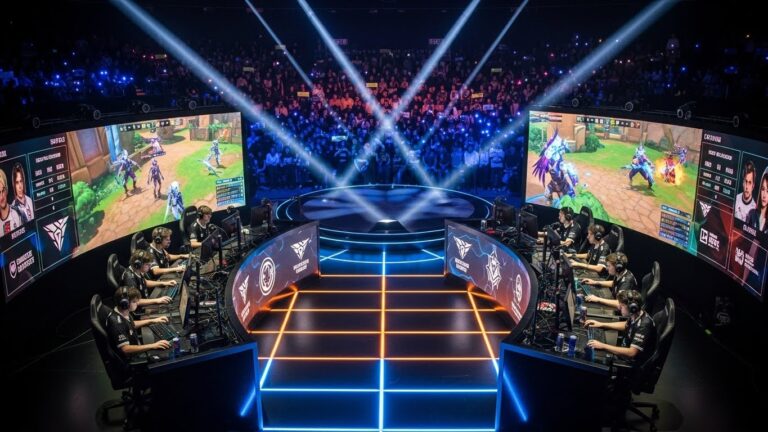
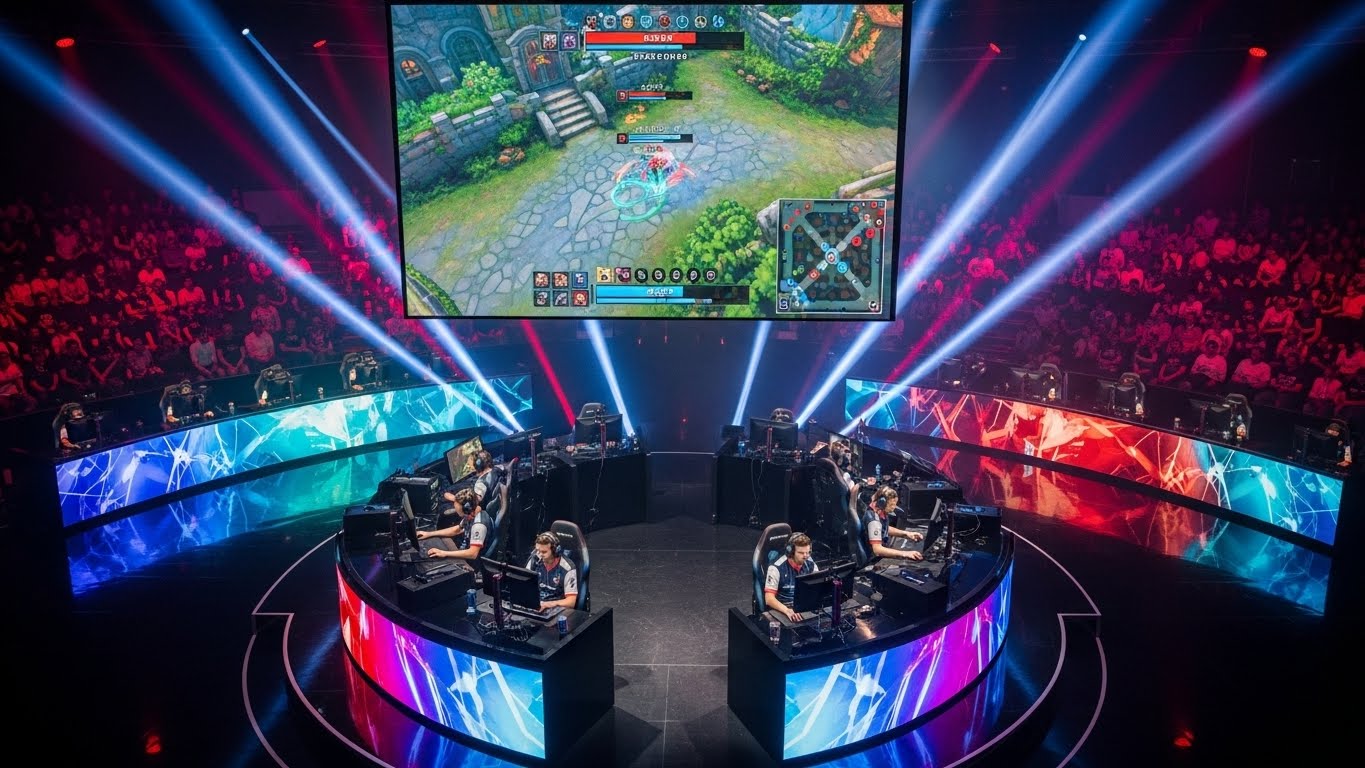
Today, esports tournaments fill massive arenas and are streamed to millions of viewers on platforms such as Twitch and YouTube. The industry has grown to become a multi-billion-dollar enterprise, with professional leagues, franchised teams, and celebrity gamers who have achieved worldwide recognition.
The Appeal of Esports: Why Millions Watch and Play
Esports appeals to both players and spectators for a variety of reasons. For players, it offers a platform to demonstrate skill, strategic thinking, and teamwork. Unlike traditional sports, esports often provides opportunities for individuals to compete regardless of physical attributes, focusing instead on reflexes, tactical intelligence, and coordination.
Spectators are drawn to esports for its dynamic gameplay, unpredictable outcomes, and the sense of community. Unlike watching conventional sports, esports offers interactive experiences, allowing viewers to chat, predict outcomes, and even influence the viewing experience in real-time. The thrill of high-stakes matches, where a single mistake can change the course of a game, keeps fans engaged and invested.
Professionalization and Career Opportunities in Esports
Esports has grown far beyond casual play, evolving into a professional industry with substantial career opportunities. Professional players are often contracted by esports organizations and can earn salaries, prize money, and sponsorship deals. In addition to players, careers in esports include coaching, commentary, event management, game development, marketing, and content creation.
Colleges and universities are also recognizing esports as a legitimate field, offering scholarships and organized collegiate leagues. This shift not only validates esports as a career path but also fosters a new generation of highly skilled professionals who contribute to the industry’s growth.
The Economics of Esports: A Billion-Dollar Industry
The financial impact of esports cannot be overstated. Revenue streams include advertising, sponsorships, media rights, merchandise, and ticket sales. Leading esports organizations generate millions of dollars annually, and high-profile tournaments offer prize pools that rival those of traditional sporting events.
Major brands have recognized the marketing potential of esports, targeting younger demographics that are increasingly disengaged from traditional television and sports broadcasts. The combination of global reach, digital engagement, and passionate fan bases makes esports a highly lucrative industry.
Technological Innovations Driving Esports
The growth of esports is closely tied to technological advancements. High-speed internet, powerful gaming hardware, and sophisticated streaming platforms have made competitive gaming more accessible and immersive. Virtual reality and augmented reality are beginning to create new dimensions of interactive esports experiences, while artificial intelligence is being used to analyze gameplay and improve training for professional players.
Streaming technology has also transformed esports from a small community activity into a global spectacle. Platforms allow millions of viewers to watch live matches, engage with commentators, and participate in chat communities, creating a sense of real-time global connection.
The Social and Cultural Impact of Esports
Esports has a significant cultural footprint, influencing how society perceives competition, teamwork, and entertainment. It fosters a global community where individuals can connect over shared interests, transcending geographical and cultural boundaries.
Esports also challenges traditional notions of what constitutes a “sport.” While some critics argue that esports lacks physicality, supporters highlight the intense mental, strategic, and reflexive skills required to compete at the highest level. In doing so, esports redefines the concept of athleticism for the digital age.
Furthermore, esports has become a platform for social interaction and personal growth. Many players report improved problem-solving abilities, hand-eye coordination, and collaborative skills. For viewers, esports offers entertainment, social engagement, and inspiration from watching professional gamers excel.
Challenges Facing the Esports Industry
Despite its rapid growth, esports faces several challenges. One major concern is the sustainability of professional careers. The intense competition, long hours of practice, and high pressure can lead to burnout and mental health issues among players. Organizations are increasingly recognizing the importance of mental health support and work-life balance to ensure player longevity.
Another challenge is the issue of regulation. Unlike traditional sports, esports lacks standardized rules and governing bodies, which can lead to disputes, unfair practices, and difficulties in enforcing contracts or resolving conflicts. Additionally, the rapid pace of technological change means that esports organizations must constantly adapt to stay relevant.
The Future of Esports: Trends and Possibilities
The future of esports is full of exciting possibilities. Integration with emerging technologies such as virtual reality and cloud gaming will enhance accessibility and immersion. Esports may also continue to expand into mainstream culture, with tournaments broadcast on prime-time television and professional leagues achieving parity with traditional sports.
Education and training will play a significant role in shaping the next generation of esports professionals. With structured programs, coaching, and analytics, players can refine their skills and develop sustainable careers. Moreover, esports is likely to become increasingly inclusive, with more opportunities for women, non-binary players, and underrepresented groups to participate and compete at elite levels.
Conclusion: Esports as a Cultural and Competitive Force
Esports has evolved from a hobby into a global movement that challenges traditional notions of sports, entertainment, and community. Its rise is a testament to technological innovation, human creativity, and the universal appeal of competition. As the industry continues to grow, esports will shape the future of digital culture, redefine careers in competitive gaming, and inspire millions of fans worldwide.
In embracing esports, society is witnessing a new era of competition where the thrill of victory is experienced not just on fields and courts, but across digital landscapes and virtual arenas. The rise of esports is more than just a trend; it is a cultural revolution that is here to stay.
About the Author