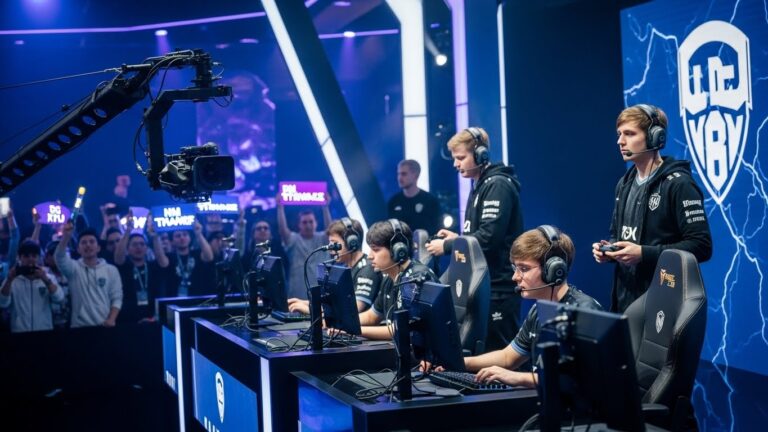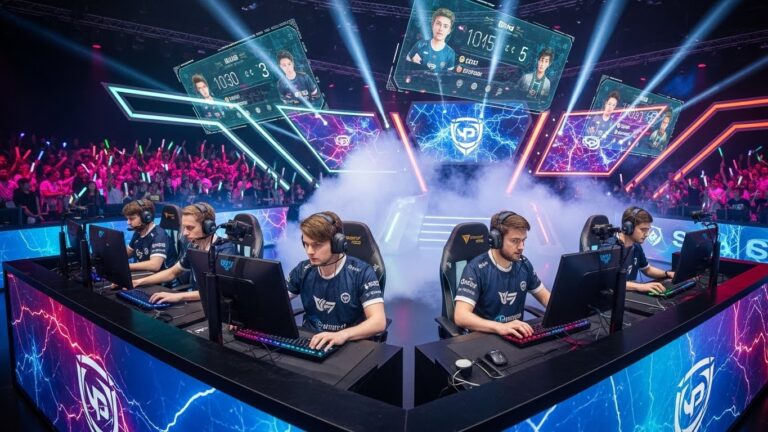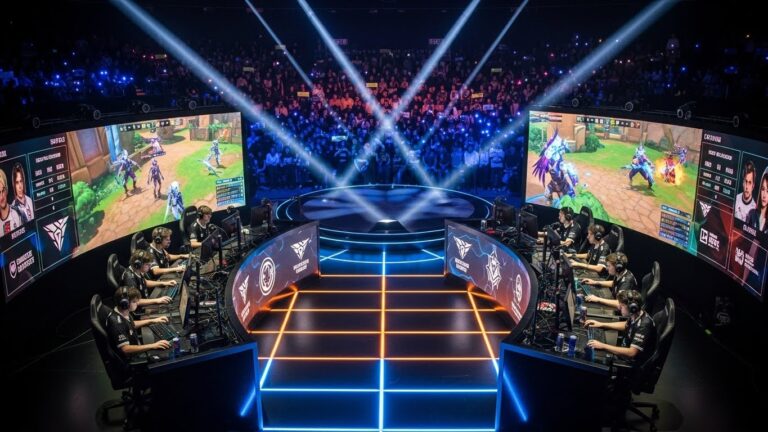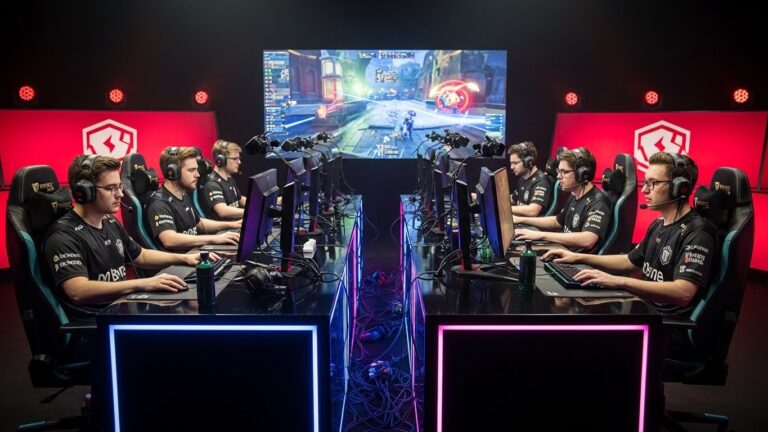
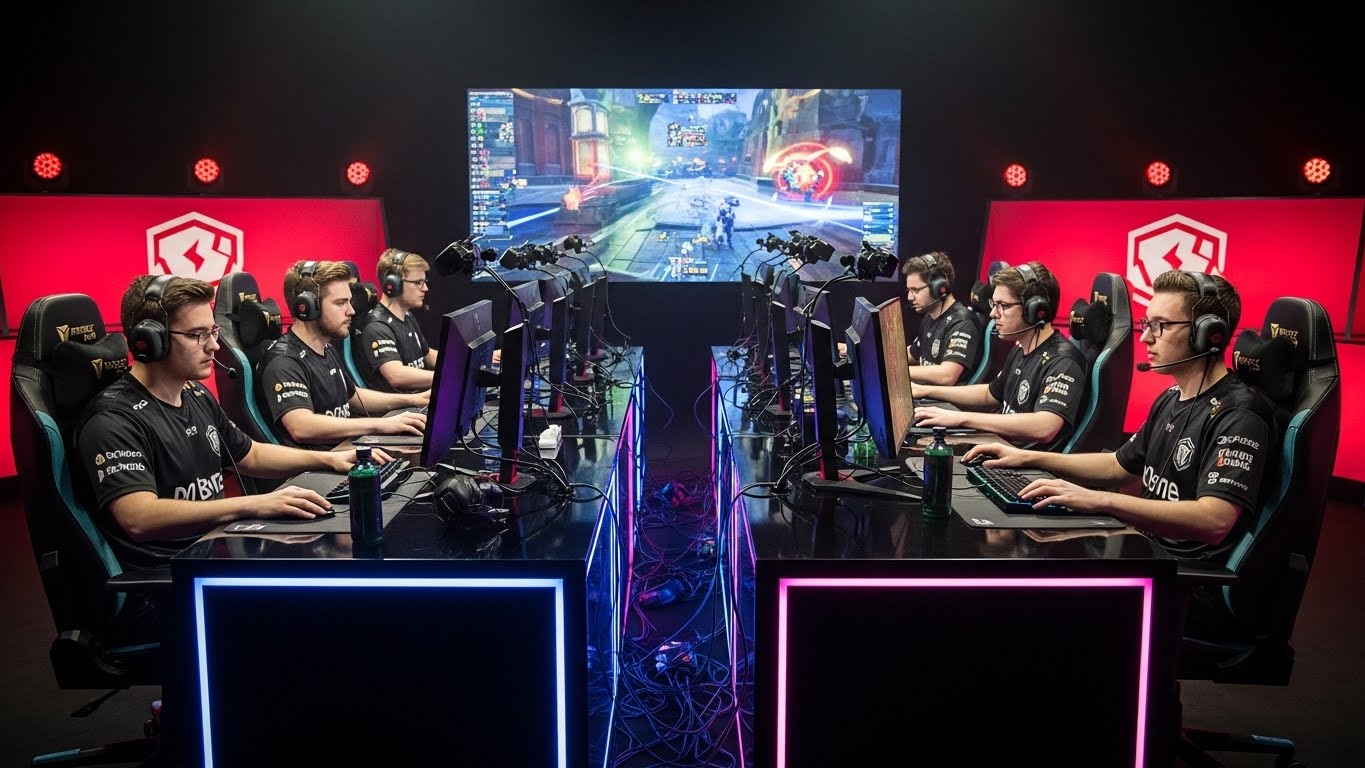
The world of competitive gaming, known as esports, has evolved from niche communities into a global phenomenon. What began as casual multiplayer gaming among friends has grown into a multi-billion-dollar industry with professional leagues, sponsorships, and international tournaments watched by millions. Esports has become more than just entertainment; it is a cultural, economic, and technological force shaping the future of sports and media. In this blog, we explore the rise of esports, its impact on players and fans, the business behind it, and its role in society.
The Origins of Esports
The roots of esports can be traced back to the 1970s and 1980s when competitive video gaming started to gain attention. Early competitions revolved around arcade games such as Pong, Space Invaders, and Pac-Man. The first known video game tournament, held in 1972 at Stanford University, showcased the growing interest in competitive gaming. By the 1990s, games like Street Fighter, StarCraft, and Quake had established organized competitions, laying the foundation for modern esports.
The advent of online gaming in the early 2000s expanded the reach of esports significantly. Players could compete globally, forming professional teams and participating in online tournaments. This era marked the transition from local competitions to international recognition. Games such as Counter-Strike, Warcraft III, and Dota began to attract large audiences, and the concept of professional gamers emerged.
Popular Esports Genres
Esports spans a variety of game genres, each with its unique competitive scene and fan base. Multiplayer online battle arena games, or MOBAs, are among the most popular. Games like League of Legends and Dota 2 feature teams of players battling to destroy their opponent’s base, requiring strategic coordination, quick reflexes, and in-depth knowledge of the game mechanics.
First-person shooters, or FPS games, are another dominant genre. Titles like Counter-Strike: Global Offensive, Call of Duty, and Overwatch emphasize precision, communication, and tactical gameplay. FPS tournaments often showcase intense matches where milliseconds can determine victory or defeat.
Battle royale games such as Fortnite and PUBG have introduced a different style of competitive play. Players or teams fight to be the last one standing in a constantly shrinking arena. This genre emphasizes adaptability, resource management, and situational awareness, attracting a younger audience and casual viewers.
Sports simulations like FIFA and NBA 2K replicate real-world sports in a virtual environment. These games offer a bridge between traditional sports fans and esports, creating opportunities for crossover events and tournaments that appeal to a broad demographic.
The Esports Ecosystem
The esports ecosystem is vast, encompassing players, teams, leagues, organizers, sponsors, and fans. Professional players dedicate countless hours to training, often similar to traditional athletes. Many teams have structured coaching, analytics, and nutrition programs to optimize performance. Players often specialize in specific roles or characters within a game, requiring both individual skill and teamwork.
Esports organizations manage teams, secure sponsorships, and promote players’ brands. Major teams have global followings, with fan bases rivaling those of traditional sports franchises. League organizers and tournament hosts create competitive structures, including regional qualifiers, championships, and seasonal leagues. Events like the League of Legends World Championship and The International for Dota 2 attract millions of viewers, both online and in stadiums.
Sponsors and advertisers play a crucial role in sustaining the industry. Brands ranging from technology companies to beverage corporations invest in esports to reach younger, digitally engaged audiences. Merchandise, streaming platforms, and media rights further contribute to the ecosystem, turning esports into a profitable and sustainable enterprise.
The Rise of Streaming and Content Creation
Streaming platforms have transformed esports into an interactive and accessible form of entertainment. Platforms like Twitch, YouTube Gaming, and other streaming services allow fans to watch professional matches, interact with players, and learn strategies. Streaming has created a culture where fans can follow players’ personalities, watch behind-the-scenes content, and engage in live chat communities.
Content creation has also become a cornerstone of the esports industry. Professional players and influencers produce tutorials, gameplay highlights, and commentary, building personal brands that extend beyond competition. The relationship between content creators and fans has blurred the lines between professional sports and entertainment, making esports uniquely social and immersive.
The Business of Esports
Esports is not just a hobby; it is a booming industry generating billions of dollars annually. Revenue streams include tournament prize pools, sponsorship deals, advertising, merchandise sales, and media rights. Major events boast prize pools reaching tens of millions of dollars, attracting players from around the world.
Investors and companies have recognized the potential of esports as a long-term growth market. Gaming hardware manufacturers, software companies, and even traditional sports franchises have entered the space, contributing to infrastructure, marketing, and professionalization. The business model is evolving rapidly, with leagues adopting franchising systems, merchandising strategies, and digital engagement tools to sustain fan interest.
Esports also influences job creation. Beyond players, there are opportunities for coaches, analysts, broadcasters, event organizers, marketing specialists, and software developers. The industry supports a wide range of careers, combining technology, entertainment, and sports management.
Cultural and Social Impact
Esports has a profound cultural and social impact. It has challenged traditional perceptions of sports, demonstrating that competitive gaming requires skill, strategy, and dedication. The popularity of esports has also helped break barriers, making gaming more inclusive for diverse audiences.
Communities within esports foster social connections, collaboration, and shared experiences. Fans form local clubs, online forums, and social media groups to discuss strategies, celebrate victories, and support players. Esports has created a global network where people from different countries, backgrounds, and cultures can connect through shared interests.
Moreover, esports promotes skill development in areas such as critical thinking, teamwork, communication, and digital literacy. Players often exhibit exceptional problem-solving abilities and adaptability, skills that are valuable both in gaming and real-world careers.
Challenges and Controversies
Despite its growth, esports faces several challenges. Competitive integrity, including cheating and match-fixing, remains a concern. Ensuring fair play requires robust monitoring, strict regulations, and technological solutions. Mental health is another critical issue, as professional players often experience intense pressure, long hours of practice, and burnout.
Gender diversity and representation in esports continue to be challenges. While the industry has become more inclusive, female players and minority groups are still underrepresented in professional competitions. Creating equal opportunities and safe environments is essential for the sustainable growth of esports.
Additionally, regulatory frameworks for esports are still developing. Unlike traditional sports, there is no universal governing body, leading to inconsistencies in tournament rules, player contracts, and intellectual property rights. Addressing these issues will be crucial as the industry continues to expand globally.
The Future of Esports
The future of esports is filled with exciting possibilities. Advances in technology, including virtual reality, augmented reality, and artificial intelligence, are likely to redefine the competitive gaming experience. Immersive tournaments in virtual stadiums, AI-assisted training tools, and new game genres may attract even broader audiences.
Esports may also continue to intersect with traditional sports, entertainment, and education. Schools and universities are increasingly offering esports programs, scholarships, and courses, recognizing gaming as a legitimate competitive and educational pursuit. Traditional sports franchises investing in esports teams further blur the lines between virtual and physical competition.
As esports grows, it will likely continue to influence culture, media, and business, shaping how people socialize, compete, and consume entertainment. The industry’s ability to adapt, innovate, and engage audiences will determine its long-term sustainability and global impact.
Conclusion: Esports as a Global Phenomenon
Esports has transformed from a niche hobby into a global cultural and economic force. Its impact extends beyond competition, influencing technology, business, education, and social interaction. Professional players are celebrated as athletes, tournaments draw millions of viewers, and the industry continues to grow at an unprecedented pace.
The rise of esports demonstrates that digital experiences can be as engaging and meaningful as traditional sports. As technology advances and audiences expand, esports will likely continue to redefine the boundaries of entertainment, competition, and community. The journey of esports is a testament to the power of innovation, creativity, and the human drive to compete and connect, proving that the world of gaming is not just about playing—it is about shaping the future.
About the Author