Introduction: The Rise of a Digital Arena
Esports, once a niche pastime for small communities of passionate gamers, has grown into a global phenomenon that rivals traditional sports in viewership, revenue, and cultural impact. What began in internet cafés and bedroom setups has transformed into packed arenas, million-dollar prize pools, and professional athletes recognized around the world. Esports is no longer just about playing video games; it is about strategy, teamwork, discipline, entertainment, and a rapidly evolving digital culture. This blog explores how esports emerged, why it matters today, and how it is reshaping competition and careers for a new generation.
Understanding Esports: More Than Just Gaming
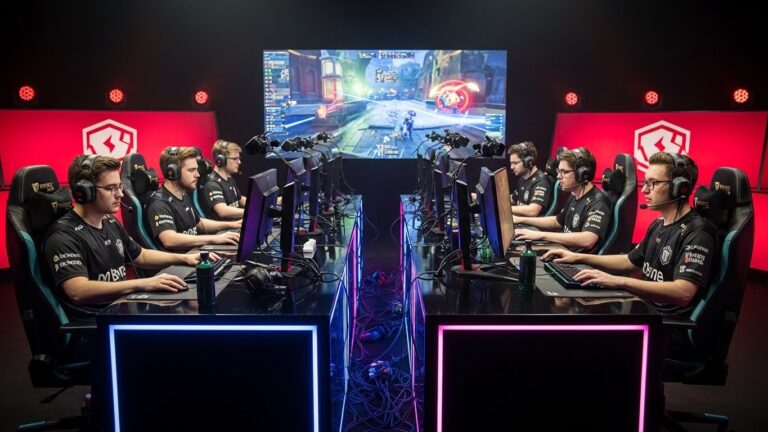
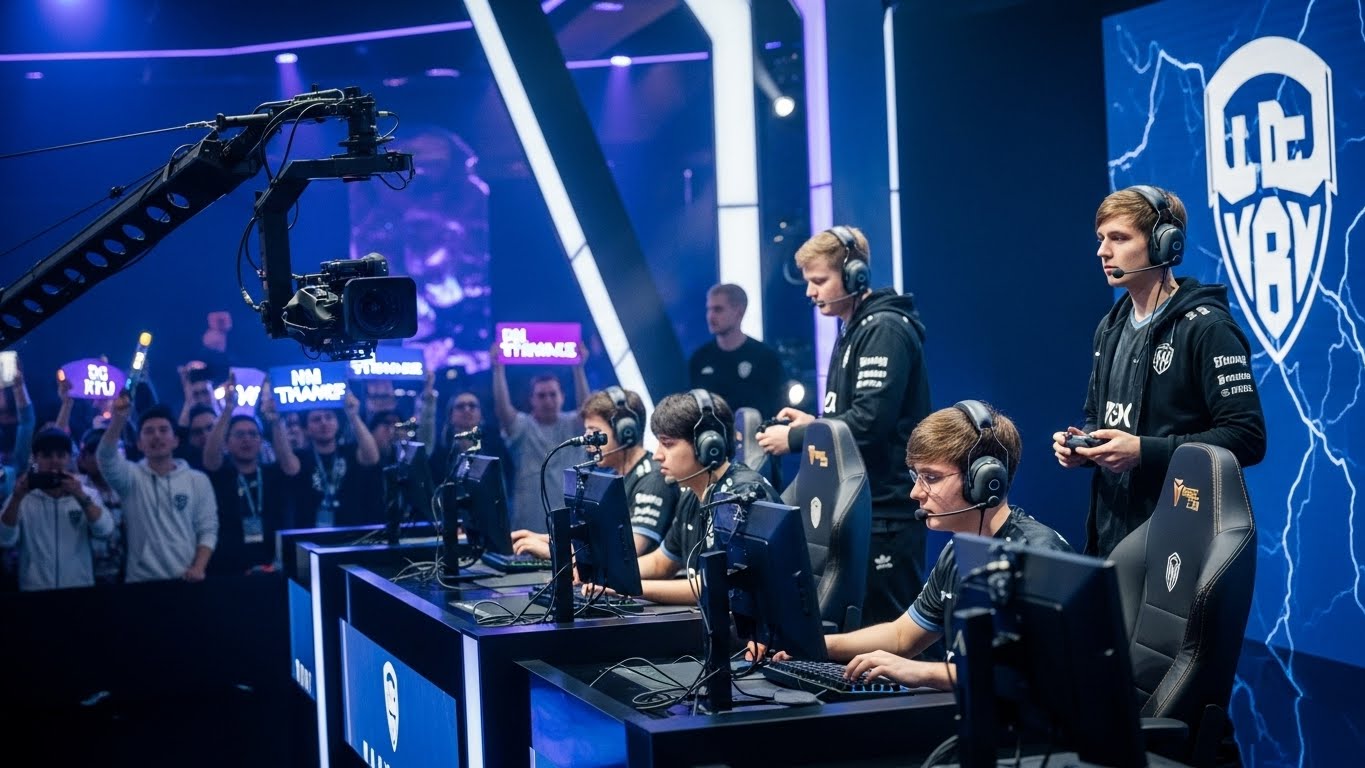
Esports, short for electronic sports, refers to organized competitive gaming where professional players or teams compete against each other in popular video games. Unlike casual gaming, esports is structured, rule-based, and often governed by leagues, tournaments, and professional organizations. Players train for hours each day, analyze opponents, develop strategies, and work closely with coaches and analysts.
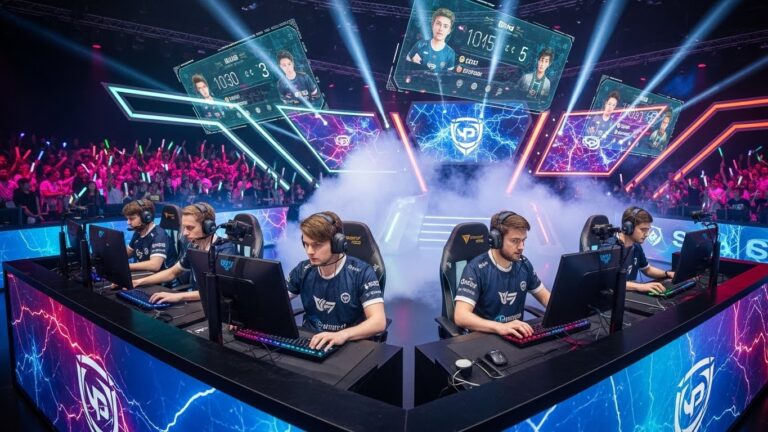
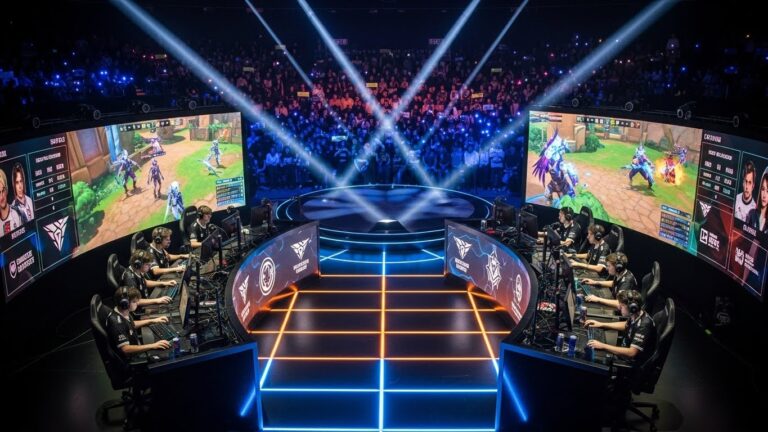
The competitive aspect is what separates esports from regular gaming. Matches are broadcast live to millions of viewers, commentators analyze gameplay in real time, and fans follow their favorite teams with the same passion seen in football or basketball. This professional ecosystem has helped esports gain legitimacy and recognition across the world.
The Evolution of Esports Over Time
The journey of esports has been shaped by technological advancements and changing social attitudes. Early competitive gaming events were small-scale and community-driven, often organized around local networks. As internet connectivity improved, online multiplayer games allowed players from different regions to compete, laying the foundation for global tournaments.
Streaming platforms played a crucial role in esports growth by making competitions accessible to anyone with an internet connection. Audiences could watch live matches, interact with streamers, and become part of a shared experience. Over time, sponsorships, media coverage, and corporate investment accelerated the industry’s expansion, turning esports into a mainstream form of entertainment.
Popular Esports Genres and Competitive Titles
Esports spans a wide range of game genres, each offering a different type of competitive experience. Multiplayer online battle arena games emphasize teamwork, strategic planning, and quick decision-making. First-person shooters focus on precision, reflexes, and map control. Strategy-based games reward long-term planning and mental endurance, while sports simulation games mirror real-world athletics in a digital format.
This diversity allows esports to appeal to different audiences and skill sets. Some fans enjoy high-speed action and intense firefights, while others prefer slower, more strategic gameplay. The variety of titles ensures that esports continues to evolve and remain engaging for both players and viewers.
The Life of a Professional Esports Player
Becoming a professional esports player requires far more than natural talent. Top players follow strict training routines that include practice sessions, scrimmages against other teams, physical exercise, and mental conditioning. Many organizations now emphasize healthy lifestyles, recognizing that focus, reaction time, and teamwork are influenced by overall well-being.
Professional players often start young, dedicating years to mastering their chosen game. Alongside the pressure to perform, they must adapt to frequent updates and changes within games that can alter strategies overnight. The competitive lifespan of a player can be short, making adaptability and continuous learning essential for long-term success.
Esports Teams, Organizations, and Leagues
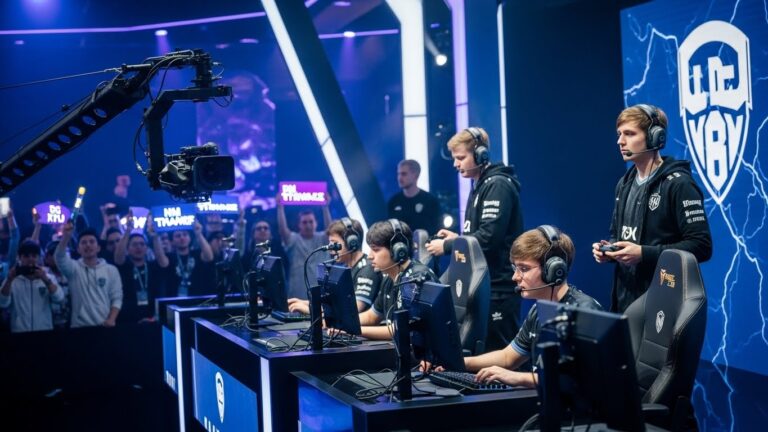
Behind every successful esports player is a support system of teams and organizations. These organizations manage contracts, sponsorships, training facilities, and public relations. Coaches and analysts help players improve their skills and develop strategies, while managers handle logistics and career planning.
Leagues and tournaments provide structure and consistency to competitive play. Seasonal formats, regional divisions, and international championships help build storylines that keep fans engaged. This professional framework has elevated esports from informal competition to a sustainable industry with clear career pathways.
The Role of Fans and Community Culture
One of the defining features of esports is its strong community culture. Fans do more than just watch matches; they participate in discussions, create content, and support players through social media and live events. This interaction creates a sense of closeness between players and audiences that is often stronger than in traditional sports.
Community engagement also drives innovation within esports. Fan feedback influences tournament formats, broadcast styles, and even game development. This dynamic relationship ensures that esports remains responsive to its audience and continues to grow organically.
Economic Impact and Career Opportunities
Esports has become a significant economic force, generating revenue through sponsorships, merchandise, advertising, ticket sales, and media rights. This financial growth has opened doors to a wide range of careers beyond professional play. Opportunities exist in coaching, event management, content creation, broadcasting, marketing, game design, and data analysis.
Educational institutions are beginning to recognize esports as a legitimate field, offering scholarships and academic programs related to competitive gaming and esports management. For many young people, esports represents not just entertainment but a viable professional future.
Esports and Global Recognition
Esports transcends geographical boundaries, bringing together players and fans from different cultures and backgrounds. International tournaments showcase global talent and foster cross-cultural exchange. Players often become ambassadors for their regions, inspiring pride and unity among fans.
As esports continues to gain recognition, discussions around regulation, player welfare, and ethical standards are becoming more prominent. Establishing consistent rules and protections will be essential for the industry’s long-term sustainability and credibility.
Challenges Facing the Esports Industry
Despite its rapid growth, esports faces several challenges. Player burnout, mental health concerns, and short career spans highlight the need for better support systems. The fast-paced nature of the industry can create instability, particularly for smaller organizations and emerging players.
There are also ongoing debates about fairness, inclusivity, and representation within esports. Addressing these issues will require collaboration between developers, organizations, and communities to ensure that esports remains welcoming and equitable.
The Future of Esports
The future of esports looks promising, driven by technological innovation and expanding audiences. Advancements in virtual reality, augmented reality, and artificial intelligence may redefine how games are played and viewed. As infrastructure improves, esports events could become even more immersive and interactive.
Esports is also likely to integrate further with traditional sports and mainstream entertainment. Collaborations, cross-industry partnerships, and broader media exposure will continue to blur the lines between digital and physical competition.
Conclusion: A New Era of Competition
Esports represents a new era in competitive entertainment, one that reflects the digital nature of modern life. It combines skill, strategy, storytelling, and community in ways that resonate with today’s audiences. What was once considered a hobby has evolved into a global industry that influences culture, technology, and careers.
As esports continues to grow, it challenges traditional ideas of sports and competition, proving that excellence and dedication can take many forms. Beyond the screen, esports is shaping the future of how we play, watch, and connect in a digital world.
About the Author