Introduction: The Rise of a New Competitive Era
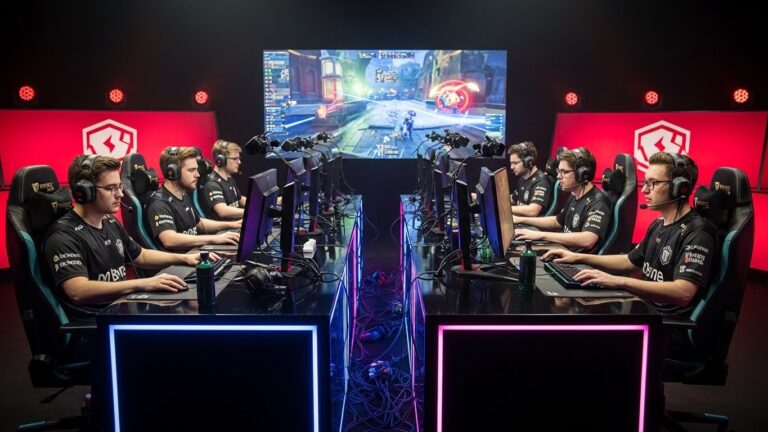
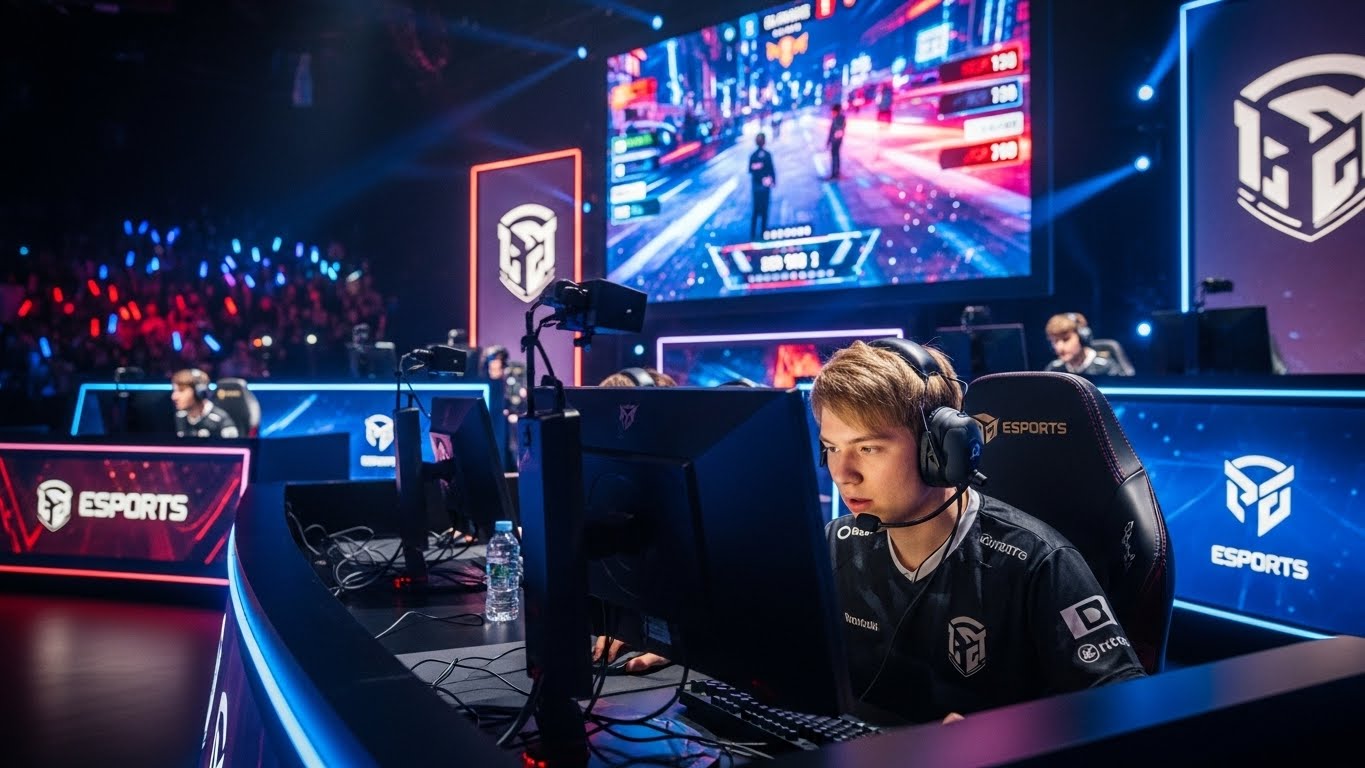
Esports, once a niche hobby confined to dimly lit gaming cafés and small community tournaments, has evolved into a global entertainment powerhouse. Millions of viewers tune in to watch skilled players compete in virtual arenas, while professional gamers become celebrities with massive fan followings. The rise of esports isn’t just about video games—it’s a cultural transformation driven by technology, community, and a new form of global connection. Today, esports stands shoulder-to-shoulder with traditional sports, commanding huge audiences, major sponsorships, and professional leagues.
This blog post walks you through the evolution, impact, and future potential of esports. From the passion of players to the business behind the digital battleground, we’ll explore how esports became a worldwide sensation and why its influence is only continuing to grow.
The Early Days: From Arcade Machines to Online Arenas
Long before esports filled stadiums, competitive gaming began humbly with arcade machines in the late twentieth century. Friends would gather around games like fighting titles or racing simulators to challenge one another for bragging rights and high scores. These informal competitions created the foundation for what would become a thriving industry.
With the expansion of home computers and consoles, gaming communities began organizing local competitions. The arrival of the internet transformed gaming entirely. No longer restricted by location, players could compete with anyone across the world. Games with built-in online capabilities introduced matchmaking, rankings, and leaderboards—features that encouraged rivalry and mastery. This shift laid the groundwork for organized esports tournaments and professional play.
Defining Esports: More Than Just Playing Games
Esports refers to organized, competitive video gaming where individuals or teams face off in structured tournaments. These competitions are supported by leagues, coaching staff, analysts, and dedicated fanbases—mirroring the structure of traditional sports.
A wide range of game genres dominate the esports scene, including:
- First-Person Shooters (FPS): Known for fast reflexes and tactical precision.
- Multiplayer Online Battle Arenas (MOBA): Team-oriented games that demand coordination and strategy.
- Real-Time Strategy (RTS): Games where players must manage resources and units efficiently.
- Sports Simulations: Virtual versions of traditional sports.
- Fighting Games: One-on-one battles focused on timing, skill, and execution.
Each genre attracts different types of players and fans, contributing to the diversity and richness of the esports ecosystem.
The Professionalization of Competitive Gaming
As viewership increased, esports transitioned from casual contests to structured professional sports. Teams formed official organizations complete with coaches, analysts, and training facilities. Professional players began signing contracts, earning salaries, bonuses, and income from prize pools.
Training for esports is far more intense than outsiders might imagine. Pro gamers follow strict schedules that include mechanical practice, strategic analysis, physical fitness routines, and mental conditioning. They study their opponents’ play styles, watch game replays, and adapt constantly to competitive updates. Much like athletes in traditional sports, esports professionals must maintain discipline and dedication to remain at the top of their game.
The Role of Streaming and Live Broadcasting
One of the most transformative forces behind esports’ rise is the live streaming revolution. Platforms that allow players to broadcast their gameplay opened the door to new forms of entertainment, engagement, and community building. Fans could now watch their favorite players live, interact through chat, learn strategies, and feel closer to the action than ever before.
Streaming doesn’t just showcase tournaments—it turns everyday gameplay into entertainment. Many players build careers by streaming full-time, generating income through donations, advertisements, and sponsorships. This new pathway broadened the appeal of esports and allowed fans to form personal connections with players and content creators.
Esports Culture: A Community-Driven Movement
What sets esports apart is its deeply rooted and passionate community. Gamers around the world share a common language, whether they’re playing from a bedroom, a café, or a high-end PC café. Online forums, social groups, and fan communities enable fans to discuss gameplay, share highlights, and celebrate their favorite teams or players.
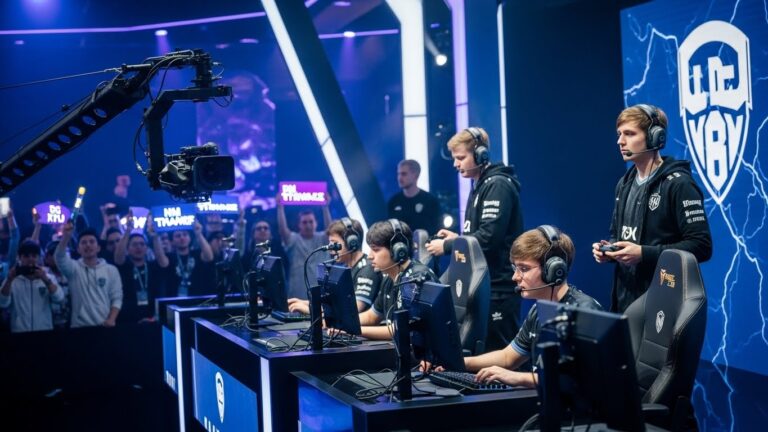
Esports events are more than competitions—they are festivals of creativity, passion, and identity. Fans dress in cosplay, create memes, cheer for their teams, and celebrate victories with the same enthusiasm seen in traditional sports arenas. This vibrant culture has helped esports cement its place in modern entertainment.
The Business Behind the Battles
The esports industry has grown into a multi-billion-dollar market involving sponsorships, advertising, merchandise, brand collaborations, and media rights. Big brands from technology, apparel, and even traditional sports have jumped into the scene, sponsoring teams and tournaments.
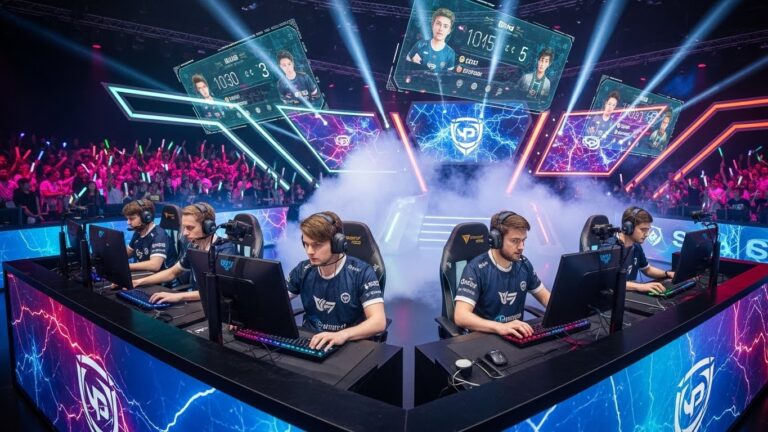
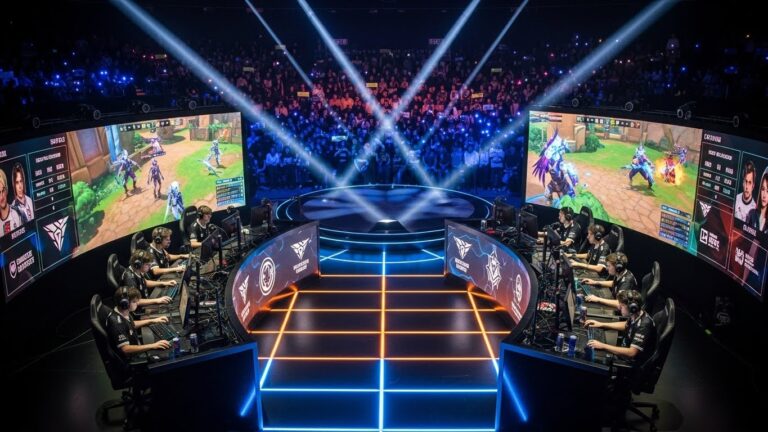
Esports arenas and stadiums have been built, hosting thousands of fans for major finals. Universities around the world now offer esports scholarships, recognizing the skill and discipline required for success. Careers have flourished not just for players, but also for coaches, commentators, analysts, event managers, and production teams. Esports is no longer just a pastime; it is a career ecosystem with opportunities across technology, media, and entertainment.
The Impact on Technology and Gaming Innovation
As esports expanded, so did the demand for better technology. High-performance gaming equipment, faster internet connections, and advanced streaming tools became essential. Game developers now design titles with esports potential in mind, ensuring competitive balance, stable performance, and community-friendly features.
The push for innovation has benefited both competitive and casual gamers. From esports jerseys with cooling fabric to high-refresh-rate monitors and ergonomic gaming chairs, technological progress has improved the overall gaming experience for everyone. Esports has played a major role in driving these advancements.
The Future of Esports: A New Digital Frontier
Esports’ momentum shows no signs of slowing. With virtual reality, augmented reality, and artificial intelligence evolving rapidly, the future possibilities for competitive gaming are vast. New genres may emerge, blending physical and digital experiences. Tournaments may include interactive elements that let fans influence outcomes or immerse themselves directly in the gameplay environment.
Educational institutions will continue embracing esports, offering structured programs to support game design, team management, and digital media creation. Governments and organizations may introduce regulations to protect players’ rights, ensure fairness, and strengthen the industry’s long-term stability.
As esports continues integrating with mainstream culture, it will likely influence entertainment, sports, and education in profound ways.
Conclusion: A New Era of Entertainment and Competition
Esports is more than a trend—it is a transformative movement. What began as small gatherings of hobbyists has become a global cultural force, uniting millions under the banner of competitive gaming. The passion of players, the dedication of fans, and the power of digital connectivity have reshaped the landscape of entertainment.
Whether you’re a casual gamer, a die-hard fan, or someone discovering esports for the first time, there is a place for you in this growing world. The digital arena welcomes everyone, and its evolution is just beginning. Esports has rewritten the definition of competition, and its future promises even more excitement, innovation, and global unity.
Let the games begin—because the world is watching.
About the Author