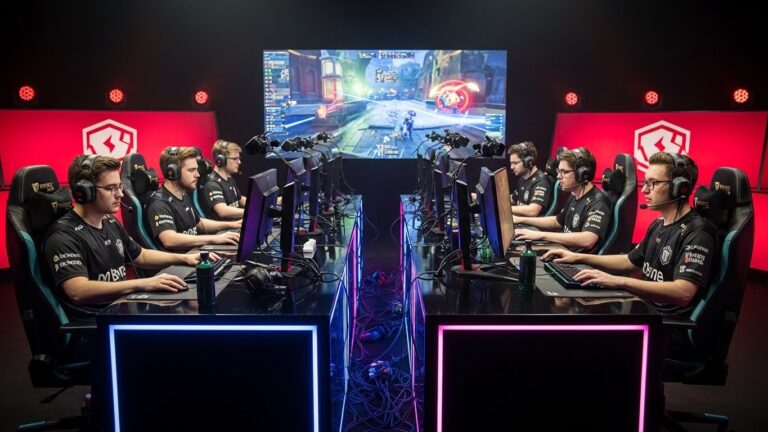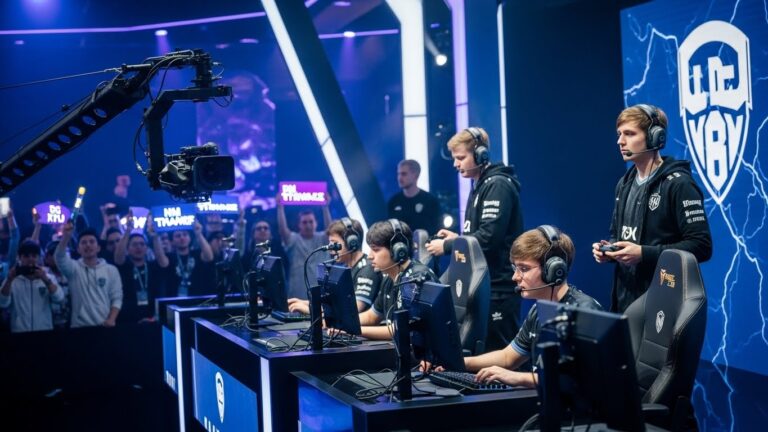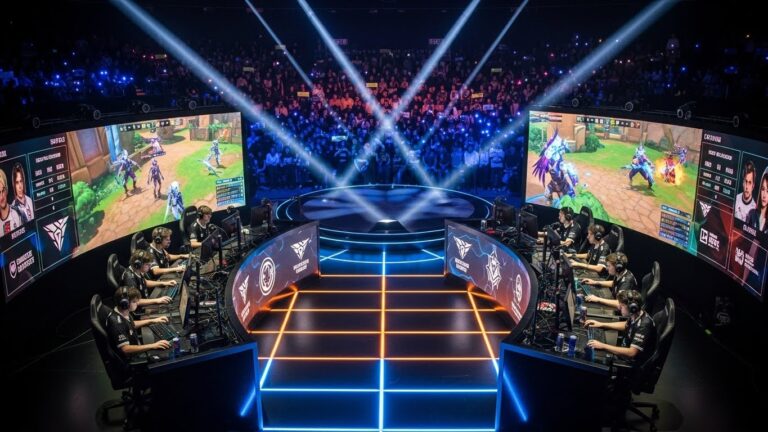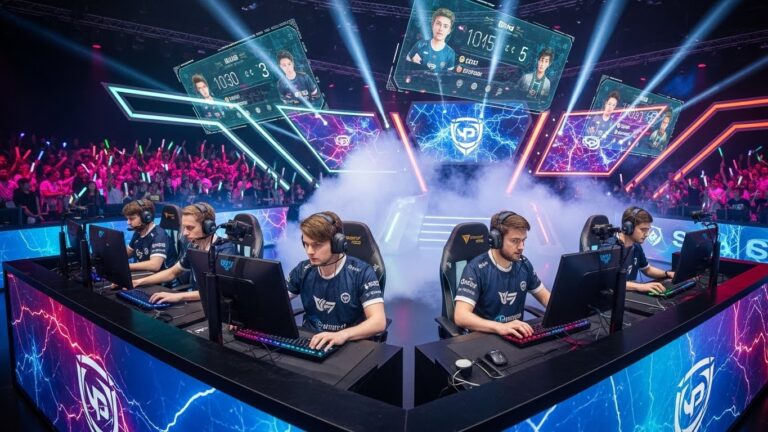
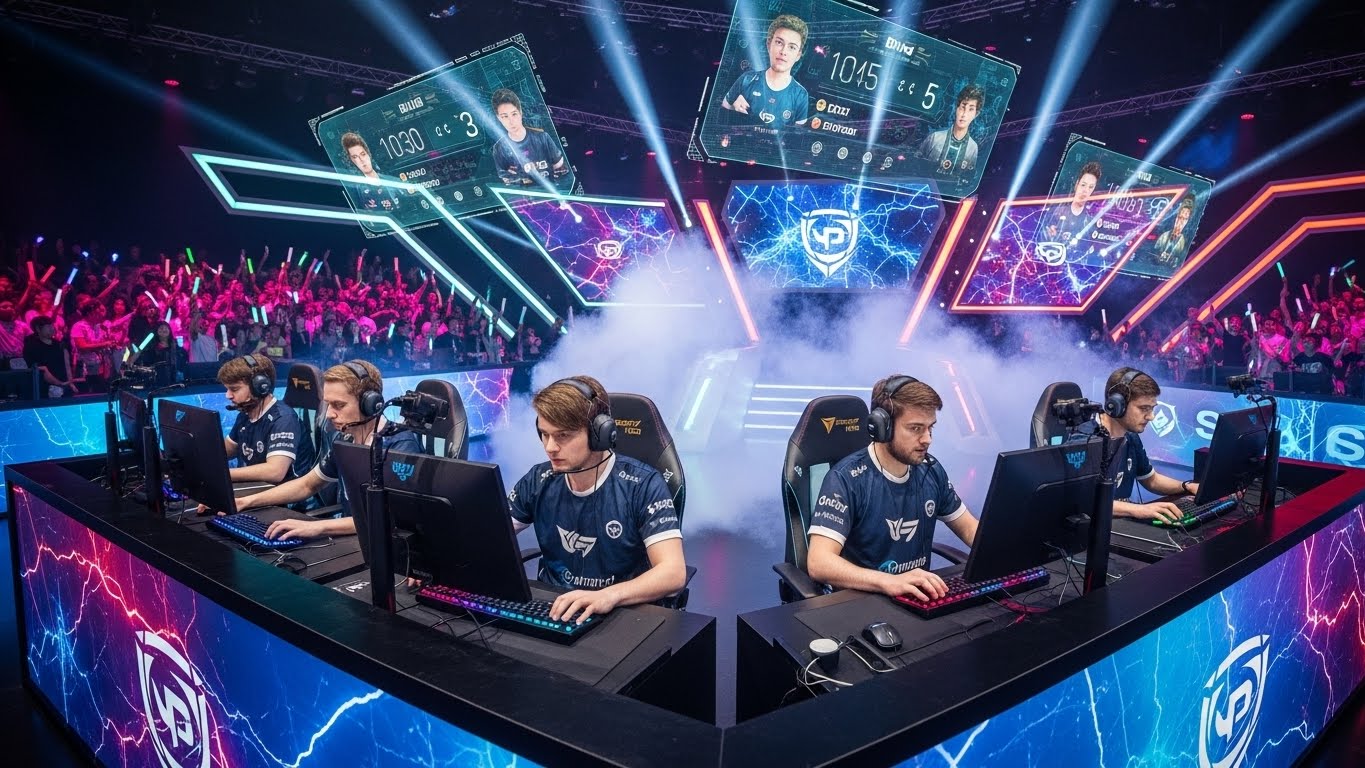
Esports has grown from a niche hobby into a global phenomenon that is transforming entertainment, technology, and competitive sports. Once dismissed as a pastime for casual gamers, esports now attracts millions of viewers, offers multi-million-dollar prize pools, and provides professional opportunities for players, coaches, and content creators. This rapidly expanding industry combines the thrill of competition with technological innovation and cultural influence. In this blog, we explore the rise of esports, its impact on society, the technology driving it forward, and the opportunities and challenges that define its future.
The Rise of Esports: From Arcade Competitions to Global Tournaments
Esports has humble beginnings. In the late 1970s and 1980s, arcade games and early home consoles fostered competitive communities. Events like the Space Invaders Championship in 1980 attracted thousands of participants and marked the start of organized video game competition. In the 1990s, the rise of PC gaming and online connectivity paved the way for multiplayer games such as StarCraft, Quake, and Counter-Strike, allowing players to compete across cities and countries.
The 2000s saw the professionalization of esports. Games like League of Legends, Dota 2, and Overwatch created highly competitive ecosystems supported by professional leagues and sponsorship deals. Streaming platforms enabled live broadcasts, allowing millions to watch tournaments in real time. Today, esports is a multi-billion-dollar industry, with tournaments filling arenas, attracting corporate sponsorships, and reaching global audiences comparable to traditional sports events.
The Popularity of Esports: Why Millions Are Watching
The appeal of esports lies in its accessibility, excitement, and community. Unlike traditional sports that may require physical ability or proximity to facilities, esports allows anyone with a computer or console to participate. Viewers can watch their favorite players, learn strategies, and engage with global communities.
Major tournaments like the League of Legends World Championship, The International Dota 2 Championship, and the Fortnite World Cup draw tens of millions of viewers worldwide. Esports broadcasts are not only competitions but also entertainment spectacles, complete with live commentary, expert analysis, and cinematic production values. The combination of skill, strategy, and entertainment keeps audiences engaged and invested in the outcomes.
Esports also fosters community. Online platforms, fan forums, and streaming services allow viewers to discuss strategies, cheer for their favorite teams, and even interact with players. This interactivity and sense of belonging make esports more than just a spectator activity—it is a social experience that connects people globally.
The Economics of Esports: A Billion-Dollar Industry
The esports industry generates revenue through multiple channels, including sponsorships, advertising, ticket sales, merchandise, and media rights. Major corporations invest heavily in sponsoring teams, tournaments, and streaming events, recognizing esports as a platform for brand visibility and engagement with a younger demographic.
Prize pools for tournaments can reach staggering amounts. The International, the annual Dota 2 championship, has offered prize pools exceeding thirty million dollars. Professional players earn salaries, endorsement deals, and revenue from streaming content, turning gaming into a viable and lucrative career.
Esports also fuels economic growth in related sectors. Event management, content creation, technology development, and merchandise production all benefit from the expanding industry. As esports continues to grow, its economic influence rivals that of traditional sports, making it an integral part of the entertainment and digital economy.
Esports and Technology: Driving Innovation
Technology is at the core of esports’ rapid rise. High-speed internet, powerful gaming hardware, advanced graphics engines, and streaming technology enable smooth gameplay, immersive experiences, and global connectivity. Live streaming platforms allow millions of viewers to watch tournaments in real time, while AI-driven analytics help teams refine strategies and improve performance.
Virtual reality and augmented reality are beginning to influence esports as well. Immersive VR competitions and interactive AR overlays enhance audience engagement, creating new ways to experience competitive gaming. Cloud gaming also opens opportunities for players to compete without high-end hardware, increasing accessibility and expanding the player base.
Esports is not just a consumer of technology—it also drives innovation. High-performance computing, low-latency networks, and sophisticated production techniques developed for esports influence other industries, from media and entertainment to AI research and data analytics.
Professional Players: Athletes of the Digital Age
Professional esports players are often compared to traditional athletes. They require intensive training, strategic thinking, and mental resilience. Top players practice for hours daily, honing reflexes, teamwork, and decision-making skills. The mental and emotional demands are significant, as high-stakes tournaments can be stressful and highly competitive.
Professional players also serve as influencers and role models. They create content, interact with fans, and inspire aspiring gamers worldwide. Their popularity extends beyond the game itself, impacting culture, fashion, and social media trends. The professionalism and dedication of esports players have helped legitimize competitive gaming as a serious career path.
Esports as a Cultural Phenomenon
Esports is not just about competition; it is a cultural force. It shapes language, fashion, social interaction, and entertainment trends. Memes, catchphrases, and fan communities often originate from esports events and games, spreading quickly across social media platforms.
The inclusive nature of esports allows people from diverse backgrounds to participate and engage, fostering a sense of global community. Unlike traditional sports limited by geography or physical ability, esports transcends borders, making it a truly global cultural phenomenon.
Esports also intersects with other forms of entertainment. Collaborations with music artists, crossover events with movies, and gaming-themed merchandise blur the lines between gaming and mainstream culture, making esports a central part of contemporary entertainment.
Education and Career Opportunities in Esports
Esports is increasingly recognized as a viable educational and career pathway. Universities and colleges now offer scholarships for esports players, as well as programs in game design, broadcasting, event management, and digital media. These programs prepare students for careers not only as professional players but also in coaching, analysis, content creation, and marketing.
The industry offers diverse career opportunities. Esports managers coordinate teams and tournaments, analysts study game strategies and performance data, and broadcasters provide commentary and production expertise. The growing ecosystem ensures that esports is not just a hobby but a professional industry with long-term career potential.
Challenges in Esports: Mental Health and Ethics
Despite its growth, esports faces challenges that must be addressed. Mental health is a significant concern, as professional players often deal with stress, burnout, and pressure to perform. Long hours of practice and travel can affect physical and emotional well-being, making player support and balanced schedules essential.
Ethical issues also arise in esports, including cheating, match-fixing, and doping. Ensuring fair play, maintaining integrity, and promoting transparency are critical for the credibility and sustainability of the industry. Inclusivity and diversity are additional challenges, as esports works to create environments that welcome players regardless of gender, ethnicity, or background.
The Future of Esports: Endless Possibilities
The future of esports promises continued growth, innovation, and cultural influence. Advancements in technology, including AI, VR, and AR, will create more immersive competitions and viewer experiences. Increased accessibility through cloud gaming and mobile esports will expand the player base globally, bringing new talent and audiences into the fold.
Esports will also continue to integrate with traditional sports and entertainment industries. Collaborations with professional sports leagues, media platforms, and popular culture will create hybrid events and experiences that appeal to broader audiences. Education, training, and professional development programs will further solidify esports as a legitimate and sustainable career path.
The potential for innovation is limitless. New game genres, interactive fan experiences, and global tournament formats will redefine what it means to compete and engage in digital sports. Esports is poised to become not only a form of entertainment but also a central pillar of cultural, social, and technological development.
Conclusion: Esports as a Game-Changer
Esports has evolved from a casual pastime to a professional, cultural, and economic powerhouse. It combines competition, entertainment, and technology to create experiences that captivate millions worldwide. From professional players and global tournaments to immersive technologies and cultural influence, esports is redefining what it means to be a sport and a form of entertainment in the digital age.
As the industry continues to grow, esports will offer new opportunities, overcome challenges, and inspire future generations. It demonstrates the power of gaming to connect people, foster creativity, and create shared experiences. Beyond the screen, esports is more than just a game—it is a global movement that is shaping the future of competition, culture, and entertainment.
About the Author