Introduction: From Hobby to Global Phenomenon
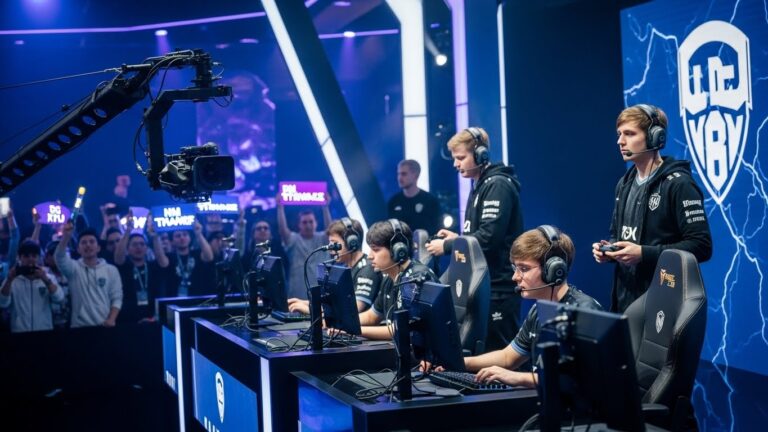
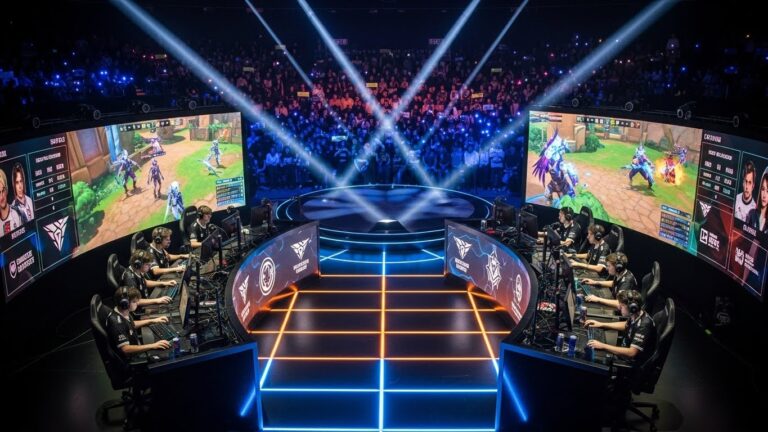
Esports has transformed from a casual pastime into a massive global industry. What started as small groups of gamers competing for fun has grown into a professional scene with millions of viewers, serious training regimens, and impressive prize pools. This digital revolution has changed how we think about competition and sports.
Understanding Esports: More Than Just Video Games
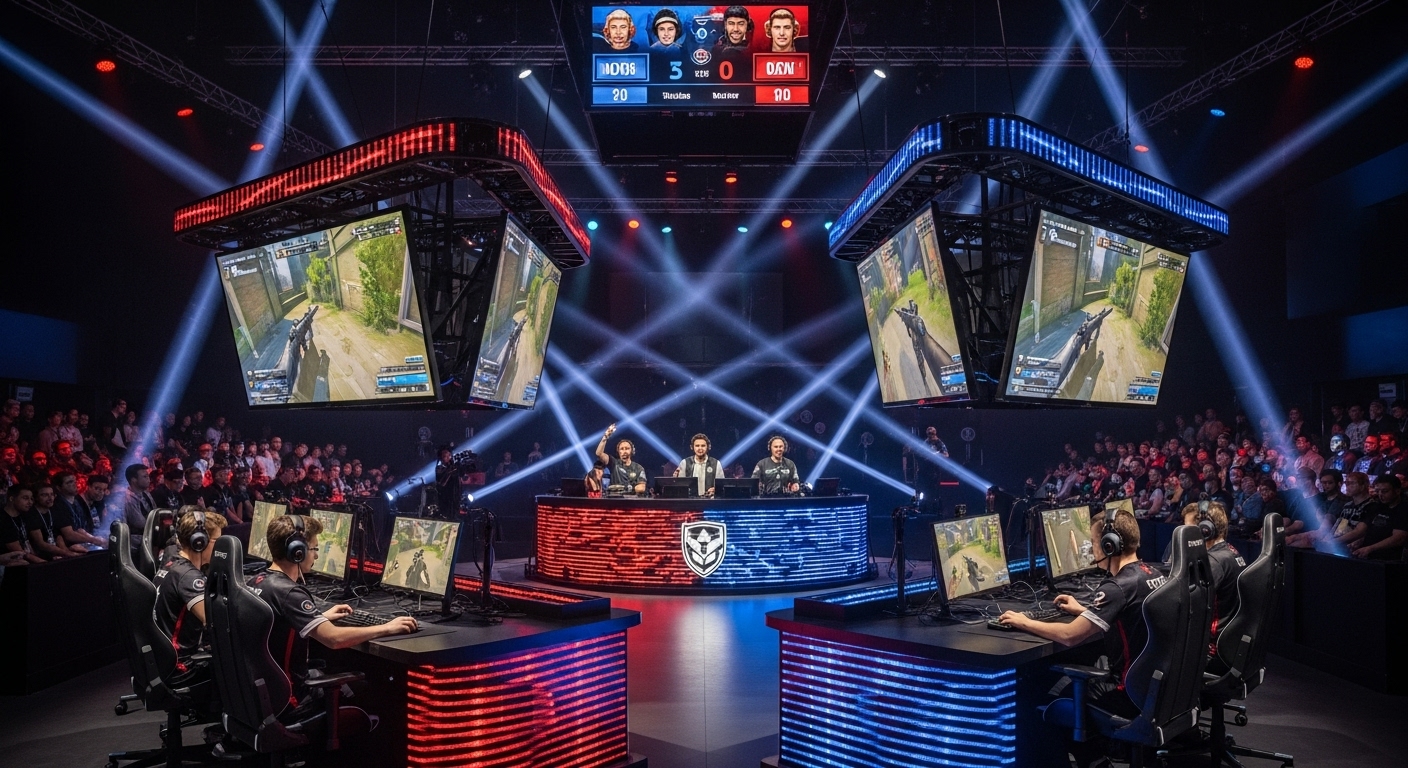
At its core, esports involves competitive gaming played by individuals or teams on popular platforms. These contests are organized into tournaments, leagues, and championships that draw huge audiences. Unlike traditional sports, esports competitions happen entirely within virtual environments, but they demand just as much skill, strategy, and teamwork.
The Growth of Esports Across the World
The past decade has witnessed explosive growth in esports. Countries worldwide have embraced it, creating professional teams and hosting international events. The availability of high-speed internet and streaming platforms allows fans from any corner of the globe to watch live matches, cheer for their favorite players, and participate in growing online communities.
The Life of an Esports Athlete
Professional gamers commit to intense daily practice similar to athletes in conventional sports. They spend hours honing their reflexes, learning strategies, and collaborating with teammates. This lifestyle requires discipline, focus, and a strong mental game to withstand the pressures of competition and the rigors of travel and public attention.
Beyond Players: The Ecosystem of Esports
Esports is not just about players. It supports a broad ecosystem that includes coaches, commentators, event organizers, analysts, and content creators. Many organizations now treat esports like any other major sport, investing in infrastructure, training facilities, and marketing campaigns to grow the industry further.
Challenges Facing the Esports Industry
Despite its successes, esports faces several challenges. Player burnout, physical and mental health concerns, and the lack of standardized regulation pose ongoing risks. Additionally, the industry struggles with issues related to inclusivity and representation, working to create a more welcoming environment for all gamers.
The Future Outlook: What Lies Ahead
The future of esports is promising. Advancements in technology, such as virtual reality and artificial intelligence, may redefine gameplay and audience experiences. As esports continues to gain cultural legitimacy, it will likely become even more integrated into mainstream entertainment, education, and professional sports.
Conclusion: Embracing the New Age of Competition
Esports has revolutionized how we view competition, bringing a digital edge to the world of sports. With its rapid growth and expanding global reach, esports stands as a powerful example of how technology reshapes our passions and industries. Whether a player, fan, or observer, the era of esports offers an exciting glimpse into the future of competitive entertainment.
About the Author