Introduction: Gaming Beyond Entertainment
Esports, short for electronic sports, has transformed the way we perceive video gaming. Once seen as a casual pastime, competitive gaming has evolved into a professional, global phenomenon. Today, esports combines strategy, skill, and teamwork, attracting millions of viewers and participants worldwide. It has become a legitimate form of entertainment and a career path for talented players.
The Meteoric Rise of Esports
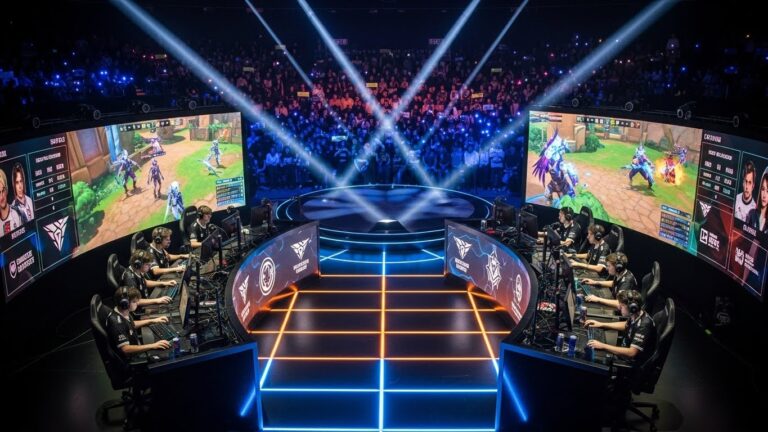
In the last decade, esports has grown at an unprecedented pace. Major tournaments now feature multi-million-dollar prize pools, with players and teams gaining recognition comparable to traditional athletes. Popular games like League of Legends, Dota 2, Counter-Strike, and Fortnite have created dedicated communities, professional leagues, and sponsorship opportunities, making esports a serious industry rather than a hobby.
Streaming and Community Engagement
A key factor in esports’ growth is live streaming. Platforms allow players to broadcast gameplay, interact with fans, and build personal brands. This real-time engagement has made esports more than just watching a game—it has become a social experience. Fans can connect with players, participate in discussions, and even influence trends in the gaming world.
Training and Professionalism
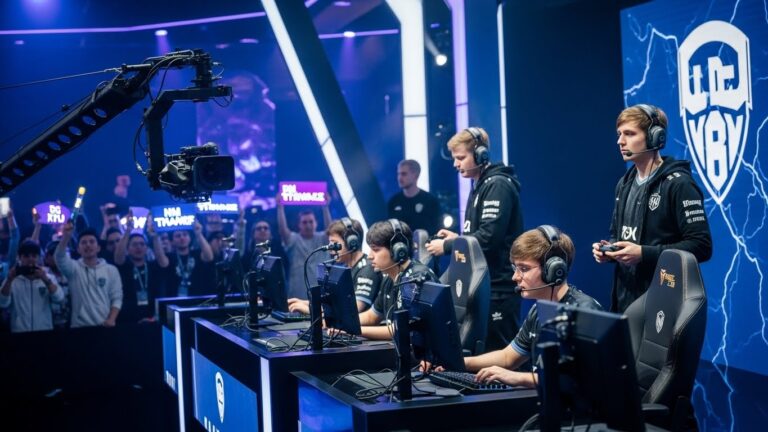
Esports players approach their craft with remarkable dedication. Professional gamers maintain strict practice schedules, develop strategies with their teams, and focus on physical and mental well-being. Quick reflexes, decision-making under pressure, and effective communication are essential skills. The level of professionalism in esports is comparable to traditional sports, earning it respect in both the sports and entertainment industries.
Global Reach and Inclusivity
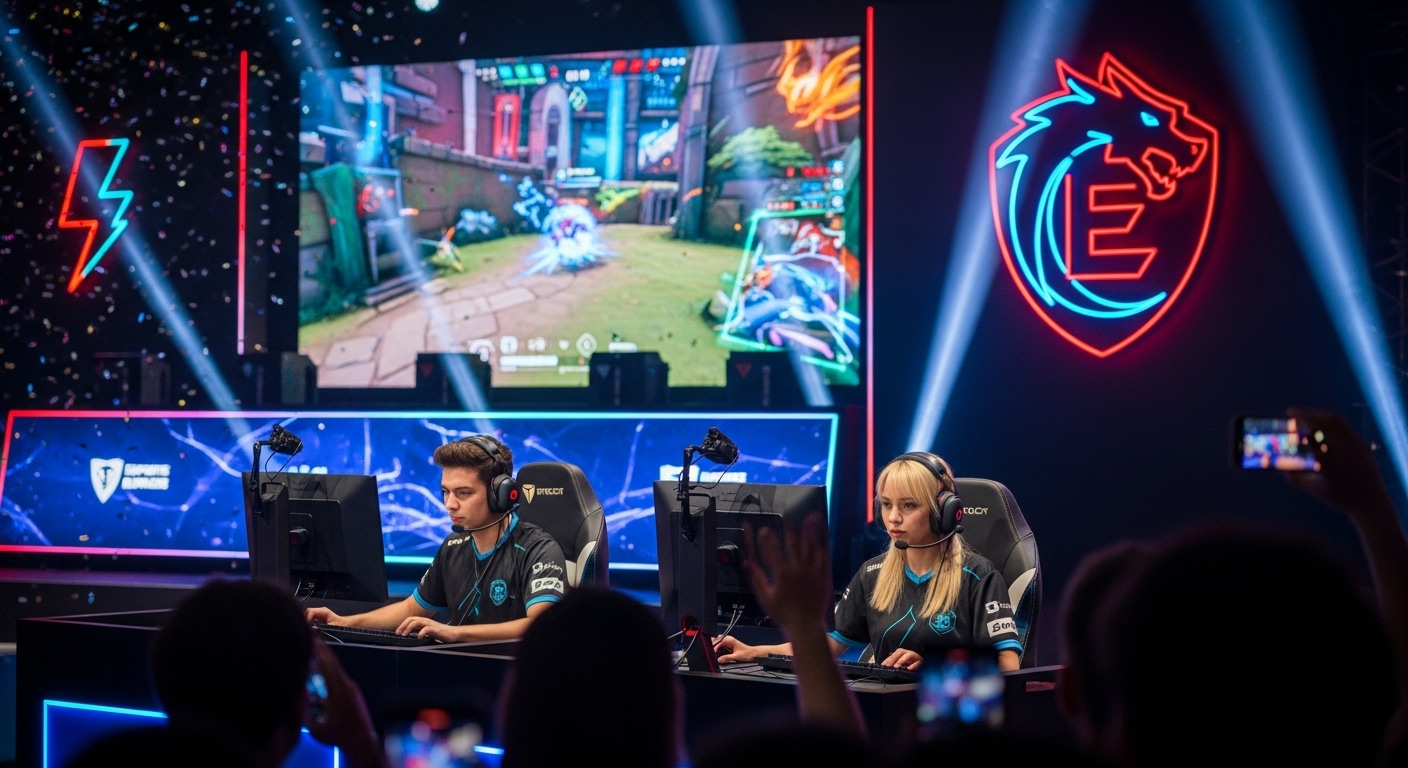
Esports is a global phenomenon that transcends borders. International tournaments bring together players from different countries, fostering a sense of community and competition. Unlike many traditional sports, esports is inclusive, providing opportunities for people of all ages, genders, and physical abilities to participate and excel.
Challenges Facing Esports
Despite its success, esports faces several challenges. Mental health concerns, burnout, and excessive practice hours are common among professional players. Additionally, issues like cheating, inconsistent rules, and regulatory gaps remain significant hurdles for the industry. Addressing these challenges is crucial for the long-term sustainability of esports.
The Future of Competitive Gaming
The future of esports is full of possibilities. Advancements in virtual reality, mobile gaming, and artificial intelligence will continue to reshape the industry. Integration with mainstream media, increased sponsorships, and recognition from educational institutions are further solidifying esports as a respected field. Competitive gaming is likely to grow even more inclusive, engaging, and technologically advanced in the coming years.
Conclusion: A New Era in Entertainment
Esports has grown from a niche hobby to a global spectacle. It combines skill, strategy, and community in a way that few other forms of entertainment can. As technology advances and the industry continues to professionalize, esports will remain a major force in shaping the future of competition and entertainment worldwide.
About the Author