
eSports, or electronic sports, has surged in popularity in recent years, evolving from a niche activity to a global phenomenon. What began as a passion for competitive gaming has now become a billion-dollar industry with millions of fans worldwide, professional players, and major corporate sponsors. As the digital world continues to evolve, so does the landscape of competitive gaming, changing how people engage with sports, entertainment, and culture. In this blog post, we will delve into the rise of eSports, its impact on global entertainment, and what the future holds for this ever-growing industry.
The Evolution of eSports: From Hobby to Global Industry
The origins of eSports can be traced back to the 1990s when multiplayer games began to gain traction. Early titles like Doom and StarCraft laid the foundation for competitive play, with gamers challenging each other in local tournaments. However, it wasn’t until the late 1990s and early 2000s that the idea of competitive gaming truly took off. Tournaments like Quake and Warcraft III began attracting larger audiences, and the first professional leagues started forming.
By the mid-2000s, streaming platforms like Twitch began to emerge, making it easier for players to share their gameplay with a global audience. This marked a pivotal moment for eSports as it went from a community-driven activity to a multi-million-dollar industry with professional teams, coaches, and sponsors. In just a few years, eSports grew from being a hobby to a mainstream entertainment option, with competitions broadcasting to millions of viewers on platforms like Twitch, YouTube, and traditional TV.
Key Drivers of eSports Growth
There are several factors that have fueled the explosive growth of eSports. The most significant of these is the advancement of technology. High-speed internet, improved gaming hardware, and enhanced streaming services have made it easier for players to compete at a global level and for viewers to watch live matches without any lags or interruptions. These innovations have helped elevate eSports to a level that was once unimaginable.
Another major driver of eSports growth is the increasing professionalization of the scene. eSports teams now operate like traditional sports organizations, with coaches, analysts, managers, and dedicated training facilities. Players are treated as athletes, often receiving sponsorships, signing contracts, and participating in extensive training regimens to refine their skills. The rise of eSports academies and the increasing recognition of gaming as a legitimate career path for young people has contributed to the growing professional landscape.
Additionally, the global reach of eSports cannot be overlooked. Unlike traditional sports, which often have regional or national boundaries, eSports transcends borders, with players and teams from around the world competing in the same events. Games like League of Legends, Dota 2, and Fortnite have built massive international communities, each supporting a diverse player base across continents. This international appeal has helped eSports tap into a wide range of audiences, making it one of the most inclusive entertainment formats globally.
The Digital Stadium: eSports Events and Tournaments
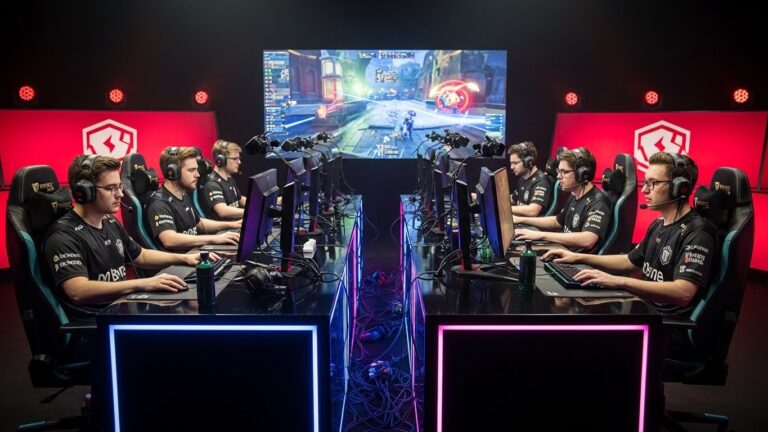
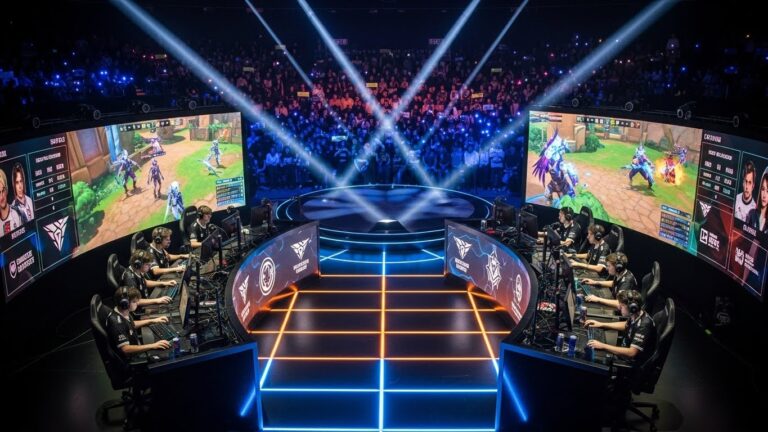
eSports has its own version of a “stadium,” where the world’s top players and teams compete for glory and lucrative prizes. These digital arenas range from small local events to massive global tournaments with prize pools in the millions of dollars. The most prominent of these tournaments is The International, the world championship for Dota 2, which has set records for its prize pools—often exceeding $30 million. Other major tournaments like the League of Legends World Championship and Overwatch League attract hundreds of thousands of live viewers, both in-person and online.
One unique aspect of eSports tournaments is their accessibility. While traditional sports often require fans to travel to specific locations to watch events, eSports tournaments can be streamed live to anyone with an internet connection. This has allowed eSports to attract millions of viewers, often rivaling traditional sports in terms of viewership, especially among younger generations. For example, the 2020 League of Legends World Championship garnered more than 100 million hours of watch time, surpassing the Super Bowl in terms of engagement for some audiences.
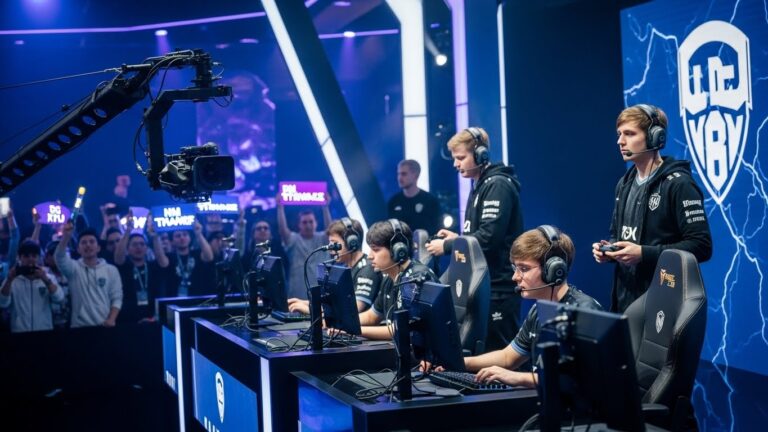
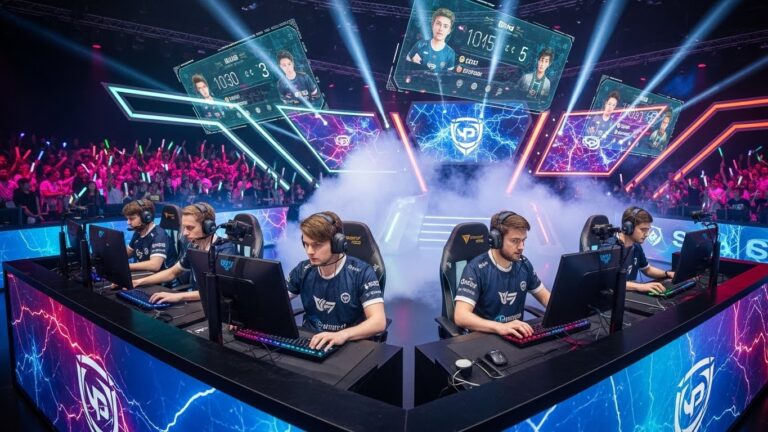
The atmosphere at live eSports events is electric. Fans, many of whom are fans of the games themselves, attend to watch their favorite teams and players compete at the highest level. These events often feature commentary, interviews, and exciting fan interactions, making them a blend of sports and entertainment. Fans can cheer for their teams, participate in social media discussions, and even meet players in fan zones, creating an immersive experience that traditional sports have been striving to replicate.
The Business of eSports: Sponsorships and Revenue Streams
eSports is not only a form of entertainment, but it is also a thriving business. Major brands have recognized the massive potential of eSports and are investing heavily in sponsorships, partnerships, and advertising. Companies like Coca-Cola, Intel, Red Bull, and Mercedes-Benz have all signed lucrative deals with eSports organizations and tournaments, further cementing the legitimacy of eSports as a professional sport.
The business model of eSports is multi-faceted. Revenue comes from various sources including broadcasting rights, merchandise sales, ticket sales to live events, sponsorships, and advertising. Streaming platforms like Twitch and YouTube Gaming have also played a major role in monetizing eSports content through subscriptions, ads, and donations from fans. Sponsorships with game publishers and hardware manufacturers, as well as revenue sharing agreements with game developers, have also contributed to the financial growth of eSports.
In addition to the traditional revenue streams, many eSports teams have ventured into creating their own merchandise and engaging with fans through content creation, streaming, and social media. This has allowed organizations to build brands beyond just their players, generating additional income and fostering a more loyal fanbase.
The Social Impact of eSports: Communities and Culture
eSports is not just about competition—it is also about community. The rise of online gaming communities has fostered a sense of belonging and shared experience among players and fans. Whether it’s chatting during a stream, participating in forums, or following players on social media, eSports fans are deeply engaged in the content they consume.
The social aspect of eSports extends beyond the games themselves. Competitive gaming has helped foster relationships, forge new friendships, and create diverse communities. Many players have found long-term friendships and even professional partnerships through their participation in eSports. The shared experience of watching a major tournament or rooting for a favorite team has helped build a global, inclusive culture that celebrates the skill and dedication of players.
eSports also offers opportunities for social change. It has been a platform for advocating diversity and inclusion, with many teams and organizations actively working to create environments that support gender, racial, and socio-economic inclusivity. Women and players from underrepresented communities are increasingly being given more opportunities to compete professionally, and initiatives are underway to make the space more welcoming for all.
The Future of eSports: What’s Next?
The future of eSports looks bright, with continued growth and innovation on the horizon. Technology will continue to play a pivotal role, as advancements in virtual reality (VR) and augmented reality (AR) have the potential to completely transform the way eSports is experienced. Imagine competing in a fully immersive VR environment, where players feel as if they are physically present in the game, battling in a 360-degree arena.
The global expansion of eSports will also continue, with more regions embracing the competitive gaming culture. Countries in Asia, Europe, and North America are already deeply entrenched in the eSports ecosystem, and now, emerging markets in Latin America, the Middle East, and Africa are beginning to invest in the industry as well. This growth will create new opportunities for players, fans, and businesses alike, leading to more regional competitions, sponsorships, and media deals.
Finally, as eSports continues to gain recognition, it is likely to become a part of mainstream education. We are already seeing the rise of eSports scholarships, collegiate leagues, and dedicated programs in universities worldwide. This trend will likely continue as more students view competitive gaming as a potential career path.
Conclusion: eSports—The Future of Competitive Entertainment
eSports has transformed the world of gaming, offering a unique blend of skill, entertainment, and community. From its humble beginnings in local tournaments to becoming a multi-billion-dollar industry, eSports has earned its place as a global phenomenon. As technology advances and the industry continues to grow, there is no doubt that eSports will continue to shape the future of entertainment, offering new opportunities for players, fans, and businesses alike.
With its increasing professionalization, the expansion of online communities, and the rise of major corporate sponsorships, eSports is poised to become one of the dominant forces in global entertainment. Whether you’re a casual gamer or a seasoned pro, the world of eSports has something to offer, and its journey is just getting started.
About the Author