
Introduction: The Evolution of Esports
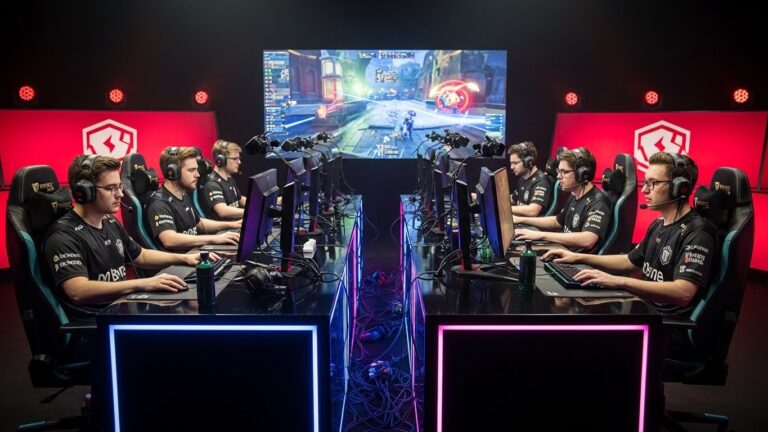
Esports, or electronic sports, has grown from a niche hobby into a global phenomenon. Competitive gaming now attracts millions of viewers and players worldwide, transforming video games into professional arenas. With high stakes, advanced strategies, and international tournaments, esports has firmly established itself as a legitimate form of competition and entertainment.
The Competitive Nature of Esports
Esports is centered on skill, strategy, and teamwork. Players train rigorously, just like traditional athletes, to master mechanics, communication, and split-second decision-making. From first-person shooters to real-time strategy games, esports demands precision, focus, and mental agility, turning gaming into a highly competitive sport.
Global Impact and Audience Engagement
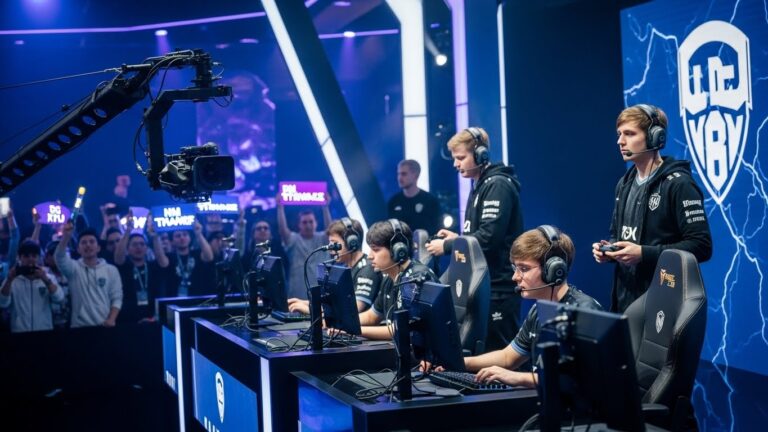
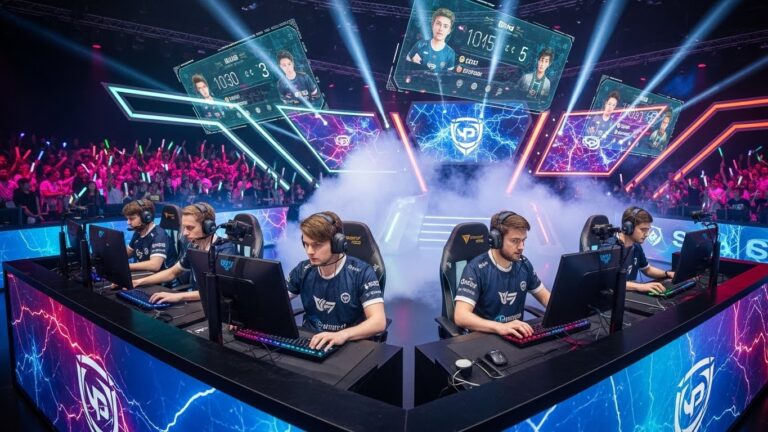
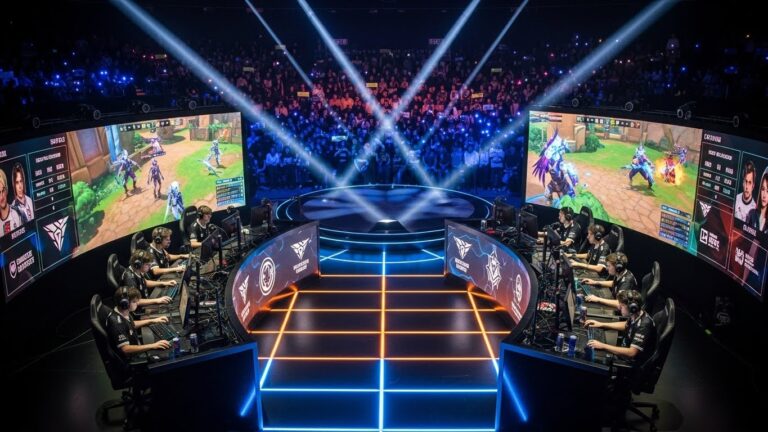
The rise of esports has created a worldwide community of fans and players. Tournaments are broadcast to millions of viewers, offering a shared experience similar to traditional sports. Social media, streaming platforms, and live events enhance engagement, allowing fans to follow their favorite players, teams, and leagues.
Career Opportunities in Esports
Esports is more than playing games professionally; it offers diverse career paths. Players, coaches, analysts, content creators, and event organizers all contribute to the industry’s growth. Sponsorships, prize money, and professional leagues provide financial opportunities, making esports a viable career choice for talented individuals.
Technological Advancements Fueling Esports
Technology plays a crucial role in esports development. High-speed internet, advanced gaming hardware, and real-time streaming platforms enable seamless competition and global connectivity. Innovations like virtual reality, artificial intelligence, and enhanced graphics are pushing the boundaries, making esports more immersive and engaging.
The Cultural Influence of Esports
Esports has influenced modern culture by shaping entertainment, social interaction, and even fashion. Professional players are celebrated as icons, while gaming tournaments draw attention comparable to traditional sports events. Esports has also inspired education programs, communities, and youth engagement in digital skills.
Conclusion: Esports as a Modern Sport
Esports is no longer just a pastime; it is a professional, global, and influential phenomenon. Combining skill, strategy, and community, it offers opportunities for players, fans, and industries alike. As esports continues to grow, it redefines competition, entertainment, and the very concept of what it means to be an athlete in the digital era.
About the Author