The Beginning of a New Era in Gaming
Esports, short for electronic sports, is one of the most fascinating revolutions in entertainment history. What began as casual competitions among friends has transformed into a multi-billion-dollar global industry. Over the past two decades, esports has grown from small local tournaments to massive international championships watched by millions around the world. The rise of esports represents not just the evolution of gaming but also a cultural shift that merges technology, competition, and community into one vibrant ecosystem.
Gaming was once seen as a pastime for a small group of enthusiasts. Today, it has become a mainstream passion for millions, connecting people across continents. The shift from traditional gaming to organized esports happened gradually, but once it gained momentum, there was no turning back. The rise of platforms like Twitch, YouTube Gaming, and various streaming services made esports accessible to anyone with an internet connection. Suddenly, gamers became athletes, and viewers became fans.
The Early Days of Competitive Gaming
To understand how esports reached its current heights, it’s important to look back at its origins. The earliest forms of competitive gaming can be traced back to the 1970s and 1980s. Back then, tournaments were small and mostly took place in arcades or college campuses. One of the first recorded gaming competitions was held at Stanford University in 1972, where players competed in the game Spacewar. The prize was nothing like the multi-million-dollar rewards of today—it was a simple subscription to a magazine.
The 1980s brought more recognition to gaming with the rise of arcade culture. Games like Pac-Man, Donkey Kong, and Space Invaders became global sensations, and competitive high-score contests began to appear. Magazines and TV shows started featuring the best players, setting the stage for organized competitions. However, without the internet, these events were limited to local audiences and lacked the global reach that defines esports today.
The Internet and the Birth of Modern Esports
The 1990s changed everything. The arrival of the internet gave birth to a new generation of competitive gamers. Multiplayer games like Doom, Quake, and StarCraft allowed players to connect and compete online, creating a foundation for modern esports. The launch of online platforms enabled real-time matches, leaderboards, and global communities.
By the late 1990s, professional gaming leagues began to form. The Cyberathlete Professional League (CPL) and the Electronic Sports League (ESL) emerged as pioneers, organizing international tournaments with real prize pools. These early efforts legitimized gaming as a competitive pursuit. It was during this period that South Korea began to stand out as a global esports hub.
South Korea: The Heartbeat of Early Esports
No country has played a more crucial role in the growth of esports than South Korea. When broadband internet became widespread there in the late 1990s, online gaming exploded in popularity. StarCraft, a real-time strategy game developed by Blizzard Entertainment, became a national obsession. Television channels began broadcasting matches, professional teams were formed, and players became celebrities.
South Korea created an infrastructure for esports that other nations would later try to emulate. Government support, dedicated gaming arenas, and sponsorships turned competitive gaming into a viable career path. It was in South Korea that the term “esports athlete” began to be taken seriously. Players trained daily, followed strict routines, and represented professional organizations—much like traditional sports athletes.
The Global Expansion of Esports
As the 2000s began, esports started expanding beyond Asia. Europe and North America quickly joined the scene with tournaments in games like Counter-Strike, Dota, and Warcraft III. LAN parties, where gamers gathered to play together in massive halls, became cultural phenomena. Events such as DreamHack in Sweden became legendary, drawing thousands of players and spectators.
During this time, esports started attracting sponsorships from major brands. Companies realized the potential of reaching young, tech-savvy audiences through gaming events. Gaming peripherals, energy drinks, and hardware manufacturers were among the first to invest, paving the way for the multi-million-dollar sponsorship deals we see today.
The Streaming Revolution
Perhaps the most important factor behind the modern explosion of esports is streaming. When Twitch launched in 2011, it completely changed how gaming content was consumed. Viewers could now watch live matches, follow their favorite players, and interact with them in real time. This interactivity made esports more engaging than traditional sports for many young fans.
Streaming also democratized esports. Anyone with talent could broadcast their gameplay and build a following. Players who might have gone unnoticed before could now showcase their skills to a global audience. This accessibility encouraged more people to take gaming seriously and motivated countless young players to chase professional careers.
Major Games That Defined Esports
Esports isn’t limited to one game or genre. Different titles have defined different eras, each contributing uniquely to the industry’s growth.
StarCraft was one of the first major esports titles, establishing professional gaming in South Korea and proving that competitive gaming could be both entertaining and strategic.
Counter-Strike became a global phenomenon, setting the standard for team-based shooters. Its emphasis on skill, teamwork, and strategy created a loyal fan base that has lasted for decades.
Dota 2 and League of Legends revolutionized the Multiplayer Online Battle Arena (MOBA) genre. Their tournaments draw millions of viewers, and events like The International and the League of Legends World Championship offer some of the biggest prize pools in esports history.
Fortnite, Valorant, and Apex Legends represent the new generation of esports, bringing in younger audiences with their vibrant visuals and fast-paced gameplay.
Each of these games shaped esports differently, but all shared one common trait—they turned gaming into a legitimate sport.
The Business of Esports
The economics of esports are astonishing. What began as a hobby now generates billions annually through sponsorships, advertisements, ticket sales, merchandise, and streaming rights. Major organizations like Team Liquid, Cloud9, and Fnatic operate much like traditional sports teams, complete with management structures, coaches, analysts, and training facilities.
Prize pools have also skyrocketed. The International, Dota 2’s premier tournament, has awarded tens of millions of dollars to winners. League of Legends’ global championship attracts sponsorships from major brands like Mercedes-Benz and Red Bull. Even governments have begun to recognize esports, offering support through funding and official representation in some countries.
The industry also provides careers beyond just players. Commentators, event organizers, content creators, marketers, and game developers all play essential roles. Esports has become a full-fledged ecosystem, driving innovation and job creation worldwide.
The Role of Esports Organizations
Professional esports teams operate similarly to football or basketball clubs. They recruit players, sign sponsorship deals, and compete in international leagues. Organizations like G2 Esports, FaZe Clan, and T1 have become household names, commanding massive online followings.
These teams invest heavily in training, equipment, and strategy. They employ coaches who analyze opponents’ playstyles, psychologists to help players manage stress, and nutritionists to ensure peak performance. Esports is no longer about casual gaming—it’s a disciplined, data-driven field that demands both mental and physical endurance.
The Spectator Experience
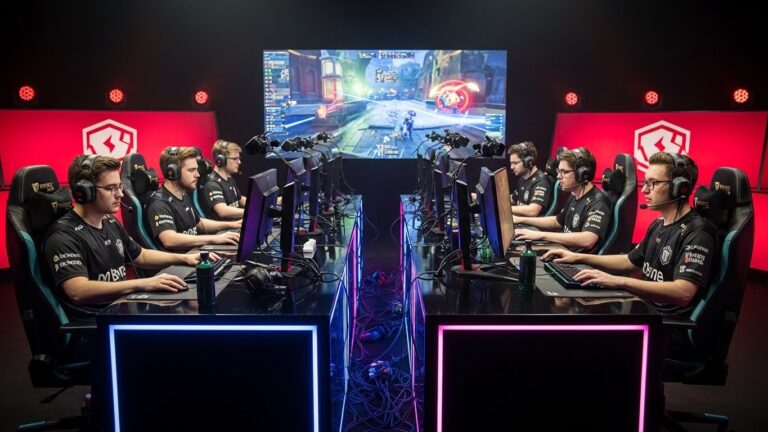
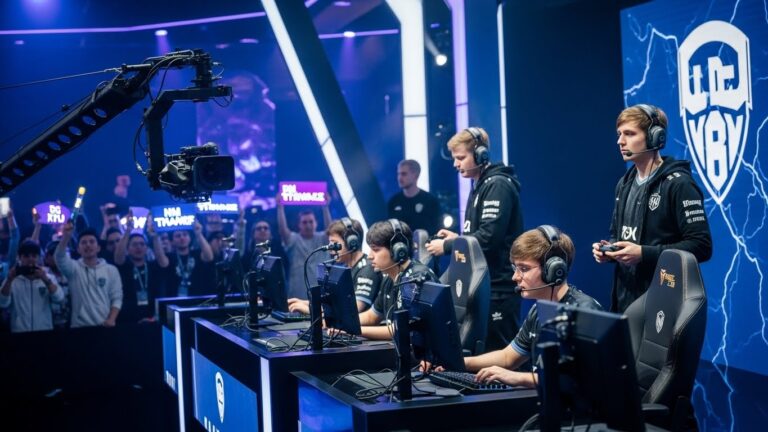
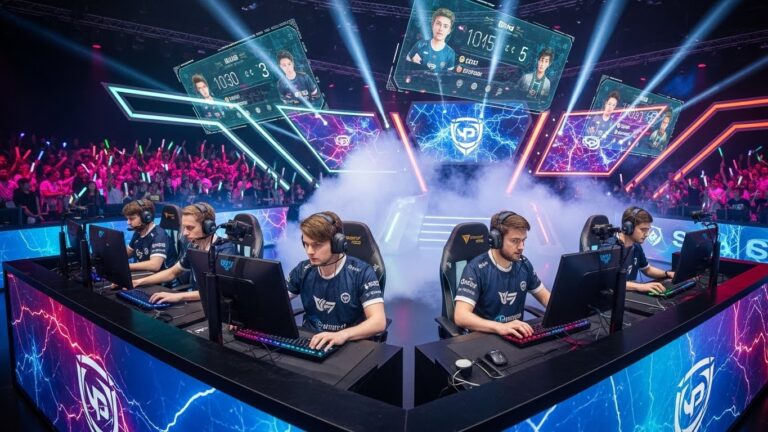
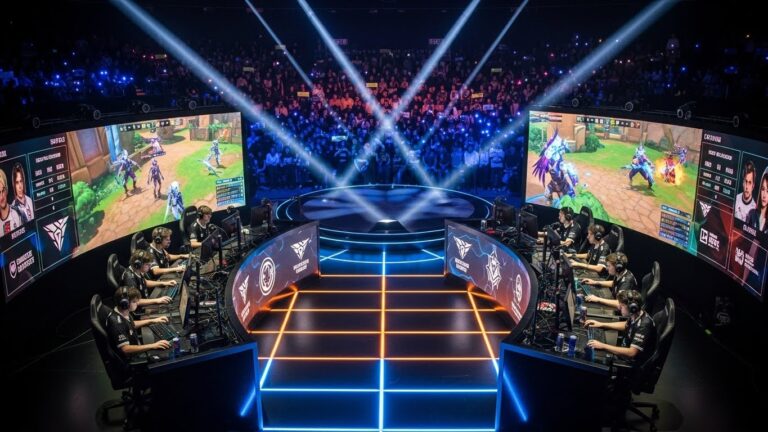
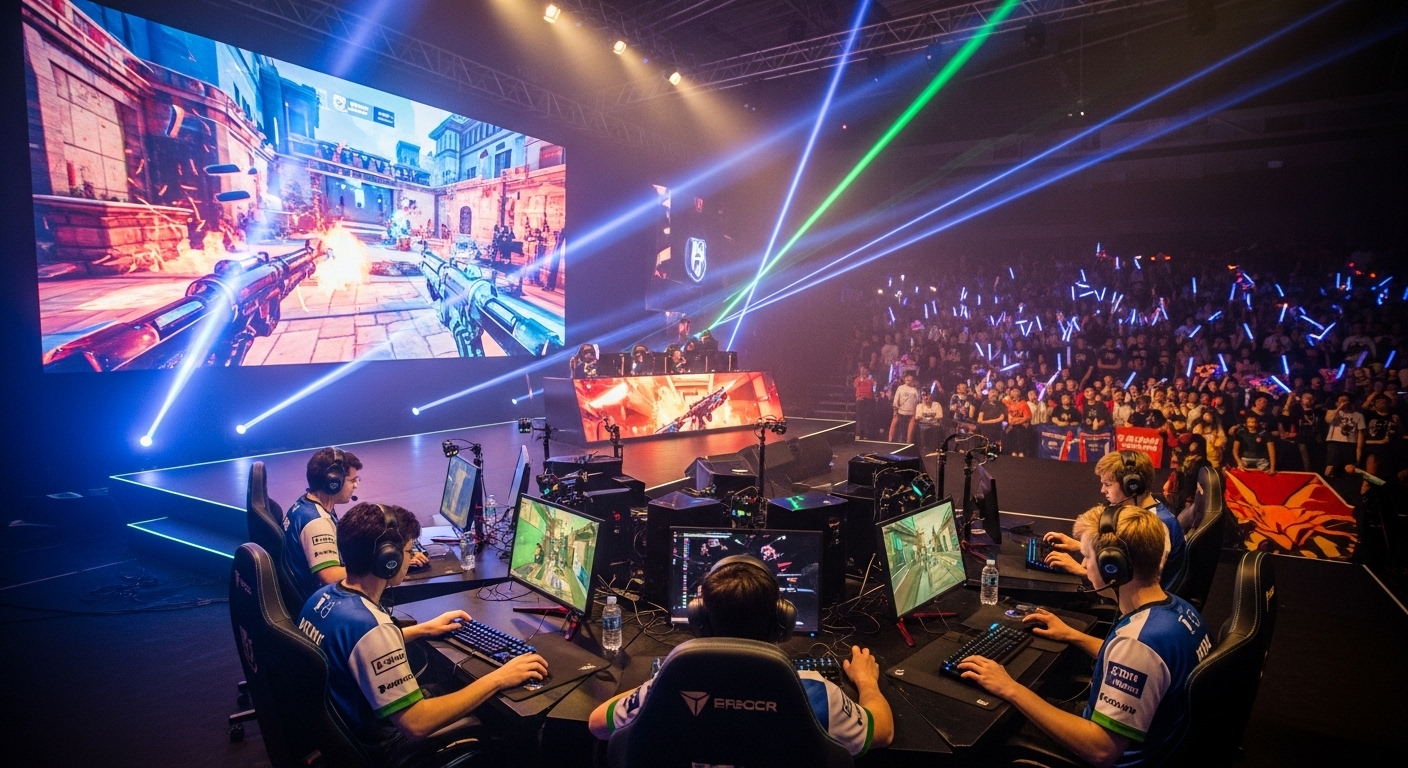
One of the most fascinating aspects of esports is its ability to captivate audiences. Stadiums filled with cheering fans, massive LED screens, and energetic commentators create an atmosphere similar to major sporting events.
For fans, watching esports is not just about the gameplay. It’s about community. They share moments of excitement, heartbreak, and triumph with fellow fans worldwide. Social media amplifies this connection, allowing fans to engage with players and organizations directly.
Online streaming platforms make it possible for anyone, anywhere, to tune in. Whether it’s a small local tournament or a world championship, esports offers a front-row seat to millions of viewers.
Esports and Traditional Sports: The Great Comparison
For years, people debated whether esports should be considered a real sport. Traditionalists often argued that gaming lacks physical activity. However, as the industry evolved, that argument began to fade. Esports demands exceptional reflexes, strategic thinking, and teamwork—qualities found in any sport.
Even major sports organizations now acknowledge esports’ value. Football clubs like Paris Saint-Germain, Manchester City, and FC Barcelona have launched their own esports divisions. The Olympic Committee has also shown growing interest, exploring ways to include esports events in future games.
Challenges Facing Esports
Despite its growth, esports faces several challenges. Player burnout is a major issue due to the intense schedule and mental strain. Cybersecurity and cheating scandals have occasionally hurt the industry’s reputation. Moreover, the rapid growth has created an environment where not all organizations or tournaments operate professionally, leading to issues with player contracts or payment delays.
There’s also an ongoing discussion about diversity and inclusion within esports. The community has made strides toward becoming more welcoming, but there’s still progress to be made. Ensuring equal opportunities for all players, regardless of gender or background, remains an essential goal.
The Future of Esports
The future of esports looks brighter than ever. With advancements in virtual reality, artificial intelligence, and 5G technology, gaming experiences will become even more immersive. Esports will likely expand into schools and universities as part of academic programs, further legitimizing it as a career path.
New genres and hybrid formats will emerge, blending physical and digital competition. Cities around the world are already building dedicated esports arenas to host international tournaments. As technology continues to evolve, so too will the possibilities for competitive gaming.
Esports will not just remain an industry—it will become a cornerstone of modern entertainment. The next generation will grow up viewing professional gamers the same way previous generations idolized footballers or movie stars.
Conclusion: A New Legacy of Competition
Esports is more than gaming; it is a global cultural movement. It brings together people from every corner of the world, united by passion, skill, and competition. What started as friendly battles between friends has become one of the most exciting developments in modern history.
The legacy of esports will continue to expand as technology and creativity push its limits. The boundaries between sports, entertainment, and technology are disappearing, giving rise to a new era of digital competition.
From humble beginnings in university basements to filling stadiums with roaring fans, esports stands as a testament to how far human creativity and ambition can go. The world of esports is only just beginning—and its story is far from over.
About the Author