Introduction
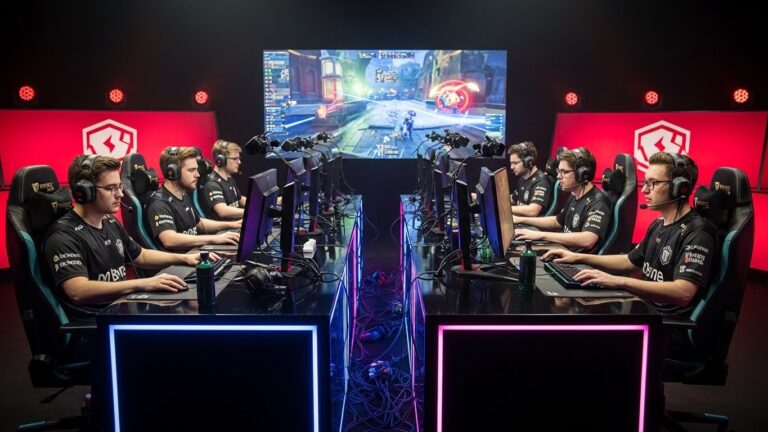
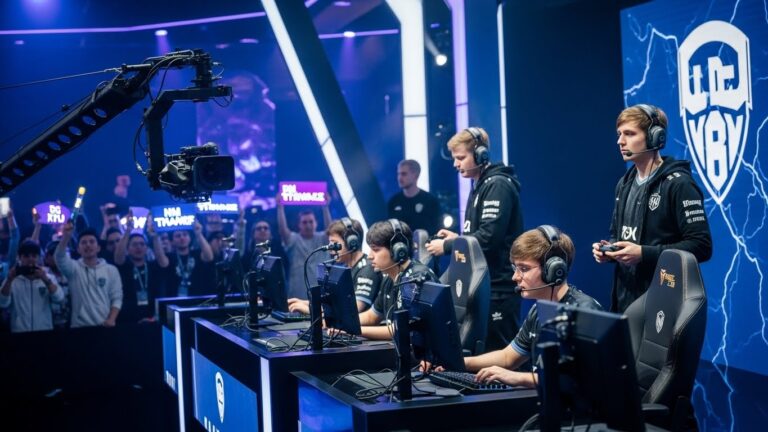
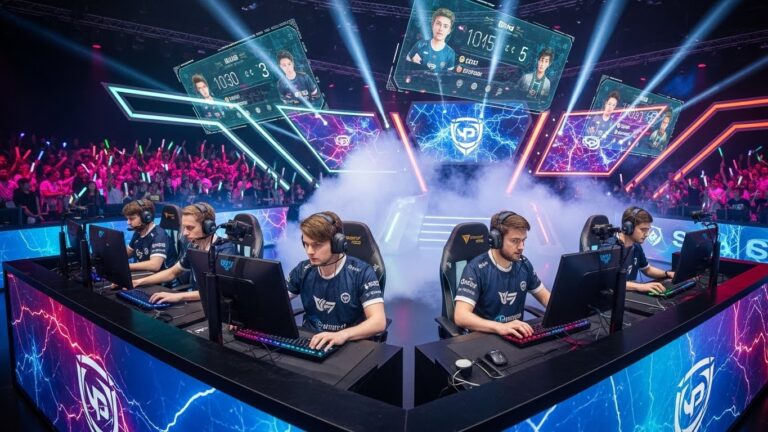
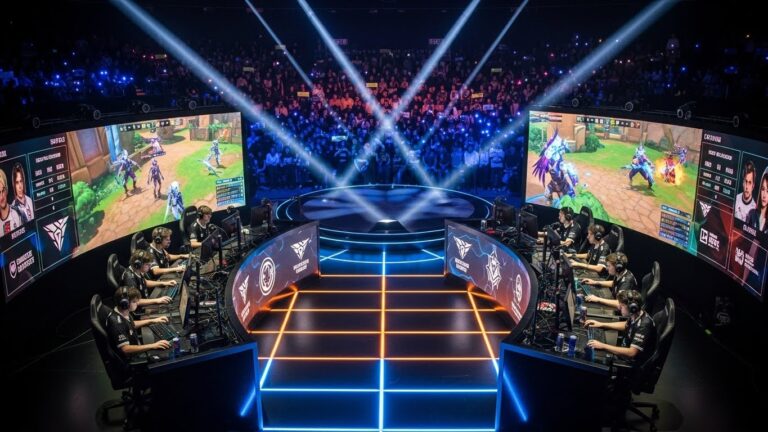
The world of esports has grown at an unprecedented pace over the last decade. Competitive gaming is no longer just a pastime—it is a professional industry with multimillion-dollar tournaments, international leagues, and celebrity-status players. With this transformation, esports athletes face demands similar to traditional athletes: long training hours, rigorous practice schedules, constant travel, and the pressure to perform under intense scrutiny.
While discussions about nutrition, exercise, mental health, and training regimens are becoming increasingly common, one critical factor that often remains overlooked is sleep. In the high-stakes world of esports, where reaction time, decision-making, memory, and focus can determine the outcome of a match, sleep quality and duration can mean the difference between victory and defeat.
This blog post explores the science of sleep, its relationship with cognitive and physical performance, and how poor sleep patterns affect esports professionals. We will also look at practical strategies for gamers to improve their sleep hygiene and optimize their performance.
Why Sleep Matters in Esports
Sleep is a natural biological process essential for maintaining physical and cognitive health. Unlike passive rest, sleep actively restores and rejuvenates the body and brain. For gamers—whose performance depends heavily on reaction speed, hand-eye coordination, and sharp mental processing—sleep is perhaps even more critical than in many traditional sports.
Some key reasons sleep is vital in esports include:
- Cognitive Restoration – Sleep helps consolidate memory, improve learning, and enhance decision-making skills. Since esports requires memorizing strategies, understanding maps, and recalling opponent tendencies, good sleep strengthens these skills.
- Reaction Time & Reflexes – Studies show that even mild sleep deprivation can slow reaction times to a degree comparable to alcohol impairment. In competitive gaming, where milliseconds matter, this can be devastating.
- Stress Management – Sleep regulates cortisol, the stress hormone. Without adequate rest, players are more prone to burnout, tilt, and emotional instability during matches.
- Immune Function – Tournaments often involve global travel and close contact with others. Poor sleep compromises immunity, increasing the risk of illness during critical competitions.
- Long-Term Health – Chronic sleep deprivation has been linked to heart problems, obesity, diabetes, and mental health disorders. For young esports players with long careers ahead, ignoring sleep could have severe consequences.
The Science of Sleep and Gaming
To understand how sleep affects esports performance, we first need to explore what happens during different stages of sleep.
The Sleep Cycle
A typical sleep cycle lasts 90 minutes and includes four stages:
- NREM Stage 1 (Light Sleep): Transition from wakefulness to sleep. Muscles relax, and eye movement slows.
- NREM Stage 2: Brain activity slows, but memory consolidation begins. This stage is essential for learning new skills.
- NREM Stage 3 (Deep Sleep): Physical restoration occurs here—tissue repair, immune system strengthening, and growth hormone release.
- REM Sleep (Dream Sleep): Critical for creativity, emotional regulation, and memory consolidation. Brain activity resembles wakefulness, and learning new strategies or tactics is reinforced.
For gamers, both deep sleep (for physical recovery) and REM sleep (for cognitive processing) are crucial. Missing either stage can impair competitive readiness.
Sleep and Cognitive Functions
Esports relies on several key cognitive functions:
- Working Memory: Remembering an opponent’s strategy mid-match.
- Attention Span: Staying focused during long tournaments.
- Decision-Making Speed: Making quick choices under pressure.
- Problem-Solving Skills: Adapting to unexpected moves.
Research consistently shows that inadequate sleep weakens all these abilities. A tired brain struggles to filter distractions, leading to mistakes in high-pressure scenarios.
Sleep and Reaction Time
In esports, reaction time is often the deciding factor. Sleep deprivation slows nerve communication, making players react slower to visual or auditory cues. For instance, a Counter-Strike: Global Offensive (CS:GO) player with delayed reflexes could lose crucial duels, costing their team a match.
Sleep Challenges in Esports
Despite its importance, professional gamers often struggle with maintaining healthy sleep patterns. Several factors contribute to this problem:
1. Irregular Practice Hours
Pro players often scrim late at night or adjust schedules to match international tournaments. This disrupts circadian rhythms, making it harder to fall asleep naturally.
2. Excessive Screen Time
Exposure to blue light from monitors suppresses melatonin, the hormone that signals the body it’s time to sleep. Constant late-night gaming keeps the brain stimulated long after practice ends.
3. High-Stress Environments
The pressure to perform, constant competition, and fear of letting down sponsors or fans often create anxiety. Stress makes it harder to fall asleep and stay asleep.
4. Travel Across Time Zones
Esports is global, requiring players to fly to different countries for tournaments. Jet lag disrupts sleep cycles, affecting alertness and energy.
5. Energy Drinks & Caffeine
Many gamers consume energy drinks, sodas, or coffee to stay alert during practice. While effective short term, caffeine intake close to bedtime delays sleep onset and reduces sleep quality.
6. Lack of Awareness
Unlike physical injuries, the consequences of poor sleep aren’t always immediately visible. Players and teams may not realize just how much sleep affects performance until results decline.
The Impact of Sleep Deprivation on Esports
To illustrate the importance of sleep in gaming, let’s look at specific ways sleep deprivation affects performance:
1. Slower Reaction Times
Just one night of poor sleep can reduce reaction speed by up to 20–30%. In esports, where reaction windows can be as small as 150–200 milliseconds, this is game-changing.
2. Poor Decision-Making
Sleep-deprived players are more impulsive, less cautious, and more prone to errors. They may overextend, misjudge risks, or fail to coordinate with teammates effectively.
3. Tilt & Emotional Instability
Lack of sleep makes players irritable and more likely to tilt after mistakes. This can ruin team morale and lead to poor overall performance.
4. Reduced Learning Capacity
Players need to constantly learn new patches, mechanics, and meta shifts. Without proper REM sleep, information retention is weakened, making practice less effective.
5. Health Risks
Chronic poor sleep can lead to long-term issues like obesity, weakened immunity, depression, and anxiety. These health challenges further affect performance and career longevity.
Sleep and Traditional Sports: Lessons for Esports
Traditional athletes already recognize sleep as a cornerstone of success. NBA teams, Olympic athletes, and Formula 1 drivers all employ sleep specialists to optimize rest schedules. Studies show that athletes who prioritize sleep have:
- Faster sprint times
- Better shooting accuracy
- Improved endurance
- Lower injury risk
Esports players may not face the same physical demands, but their need for precision and focus makes sleep equally vital. Lessons from traditional sports can guide esports organizations in building sleep-conscious cultures.
Practical Sleep Strategies for Esports Players
Fortunately, there are actionable ways gamers can improve their sleep hygiene. Here are practical strategies:
1. Consistent Sleep Schedule
Go to bed and wake up at the same time daily—even on off days. This regulates the body’s internal clock and improves sleep quality.
2. Control Screen Exposure
Limit screen time at least one hour before bed. If that’s not possible, use blue-light filters or glasses to reduce melatonin suppression.
3. Create a Sleep-Friendly Environment
- Keep the bedroom cool, quiet, and dark.
- Invest in blackout curtains and comfortable mattresses.
- Remove distractions like phones and laptops from the bed.
4. Limit Stimulants
Avoid caffeine, energy drinks, or nicotine at least 6–8 hours before bedtime. Replace them with herbal teas or water.
5. Wind-Down Routine
Engage in relaxing activities like meditation, journaling, or light stretching before bed. This helps signal the body that it’s time to rest.
6. Travel Adaptation
When traveling for tournaments, gradually adjust sleep schedules before leaving. Exposure to natural light upon arrival helps reset the circadian rhythm.
7. Naps for Recovery
Short naps (20–30 minutes) can boost alertness without disrupting nighttime sleep. This is especially useful during long tournament days.
Esports Organizations and Sleep Awareness
The responsibility of addressing sleep issues doesn’t lie solely with players. Organizations, coaches, and team managers play a significant role.
Team Policies
Teams can implement mandatory rest periods, limit scrim hours, and educate players on sleep hygiene.
Sleep Coaches
Just as physical trainers and nutritionists support players, sleep specialists can monitor sleep patterns and provide personalized strategies.
Monitoring Technology
Wearables like Oura rings or sleep-tracking apps can give players insight into their rest quality and identify problem areas.
Health Education
Workshops on the importance of sleep can foster awareness among younger players, helping them avoid burnout early in their careers.
The Future of Sleep Science in Esports
As esports continues to professionalize, sleep science will become a bigger part of training regimens. Some emerging trends include:
- Sleep Pods at Events: Providing players with quiet rest areas between matches.
- Personalized Sleep Programs: Using data-driven insights to tailor sleep schedules.
- Integration with Performance Metrics: Linking sleep data with in-game stats to measure direct effects on performance.
- Mental Health Synergy: Recognizing sleep as part of a broader wellness approach, alongside therapy and stress management.
Conclusion
Esports is more than just playing video games—it is a mentally demanding, high-performance sport. Just as professional athletes focus on training, diet, and physical health, esports players must recognize the critical role of sleep.
Poor sleep impairs reaction times, decision-making, focus, and emotional stability—all skills essential for competitive gaming. By prioritizing sleep hygiene, managing stress, and adopting healthier routines, esports athletes can not only perform better but also prolong their careers.
The next time we watch a world championship match, the difference between a clutch victory and a heartbreaking loss may not just come down to strategy or skill—it might come down to who got a good night’s sleep.
About the Author