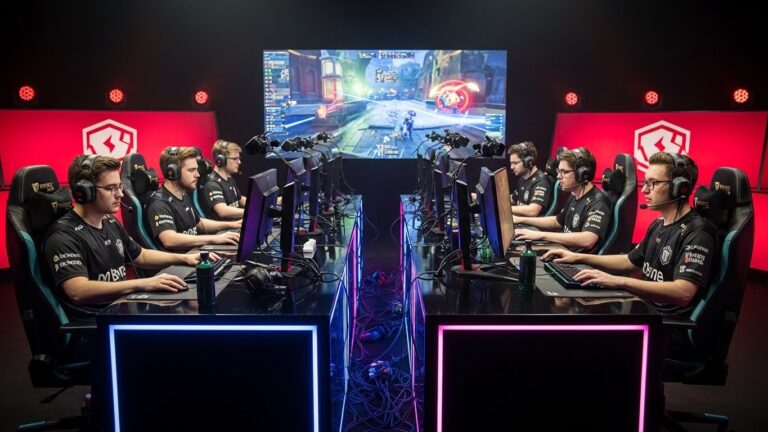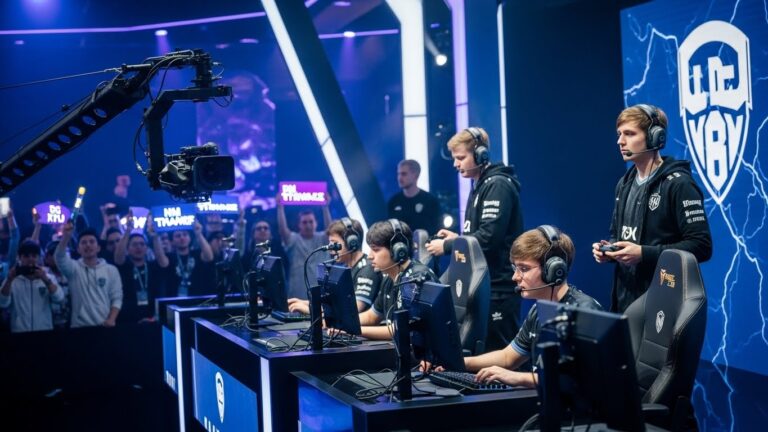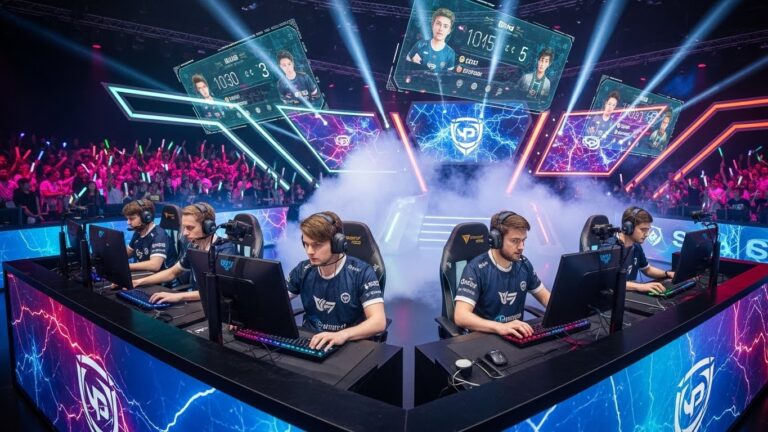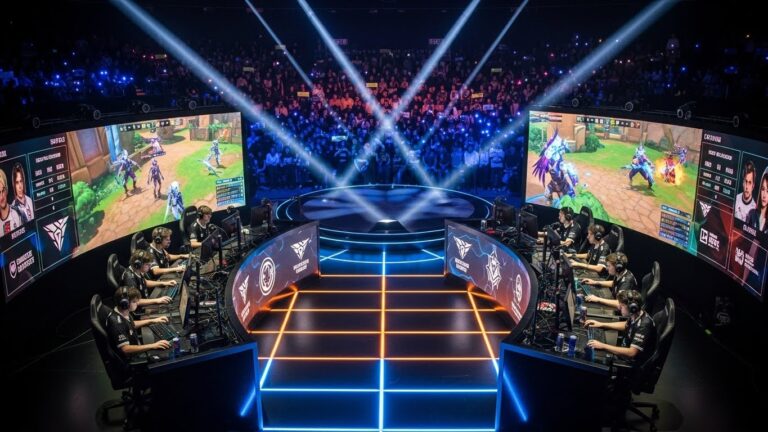
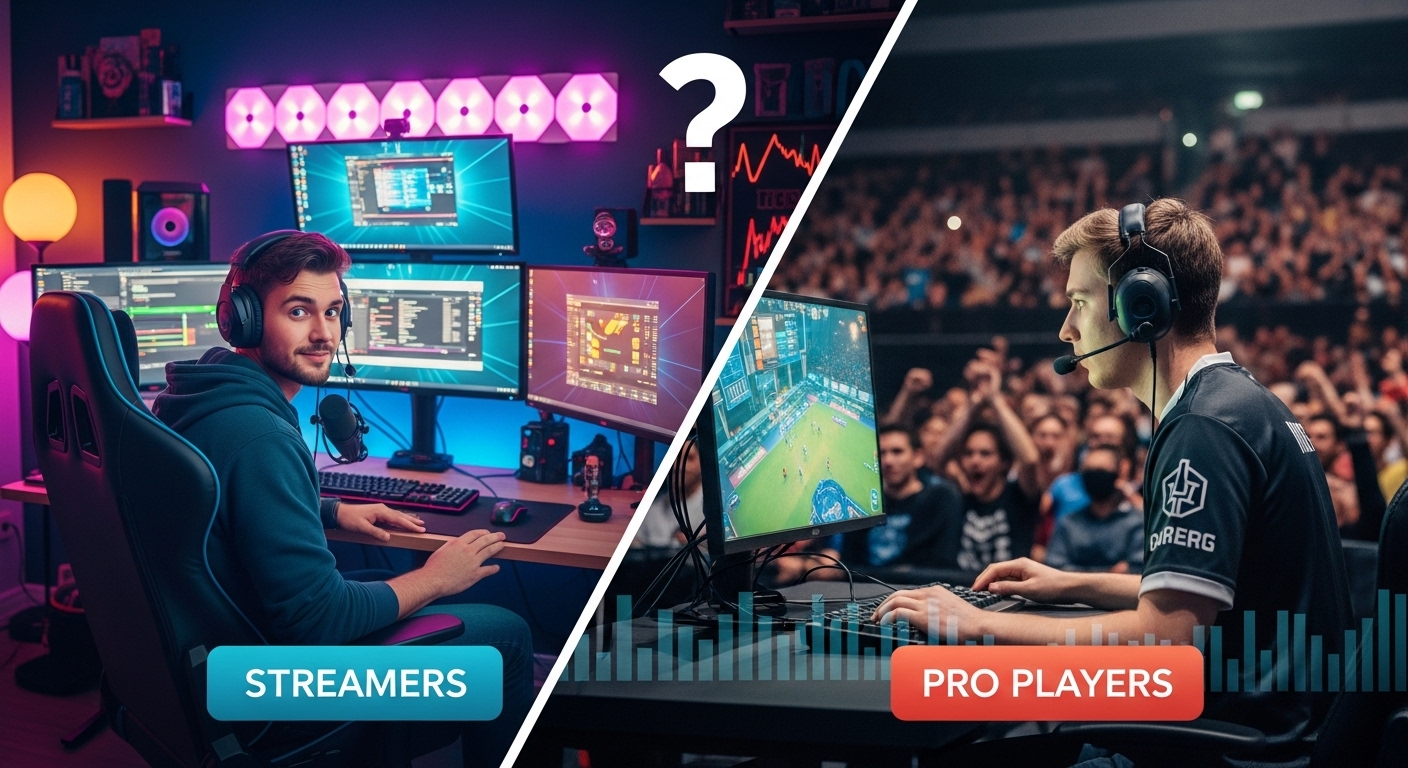
Esports is no longer just a hobby. It’s a booming global industry where young players turn their passion for gaming into professional careers. At the same time, education remains a critical part of personal growth and long-term stability. Balancing esports and education can feel like walking a tightrope—especially for aspiring pro gamers who spend hours training, competing, and streaming while also meeting academic expectations.
This article explores how gamers balance esports with education, why it matters, strategies they use, the role of parents and schools, and inspiring stories of players who have managed to succeed in both worlds.
The Rise of Esports as a Career
From Hobby to Profession
In the past, gaming was often dismissed as a distraction from studies. Today, it’s a multi-billion-dollar industry with massive tournaments, sponsorship deals, and career opportunities. Titles like League of Legends, Dota 2, CS:GO, and Valorant have transformed skilled players into celebrities.
Young players now see esports as a viable career path, much like traditional sports. However, unlike basketball or football, esports careers often peak earlier, sometimes in a player’s late teens or early twenties. This makes the balance with school even more pressing.
The Double Pressure
The challenge isn’t just about time—it’s also about perception. Parents, teachers, and even society often view education as the “safe” path and esports as a “risky” one. Gamers must juggle expectations from both worlds while trying not to burn out.
Why Education Still Matters for Esports Players
Short Career Span in Esports
Most professional esports players retire by their mid-to-late twenties due to the physical and mental demands of competitive gaming. Unlike traditional careers, esports offers only a short window of peak earning years. Education provides long-term stability once gaming ends.
Career Options Beyond Playing
Many retired players transition into coaching, commentary, content creation, or even management. For these roles, strong communication, analytical, and leadership skills—often honed through education—are invaluable.
Building Discipline and Time Management
Balancing academics with gaming trains players in time management, focus, and self-discipline. These soft skills are transferable, helping both in competition and in future careers.
The Challenges Gamers Face Balancing Education and Esports
Time Constraints
Competitive gaming requires long hours of practice, sometimes 6–8 hours a day, on top of classes, homework, and exams. Sleep and social life often take the hit.
Academic Pressure
Schools typically don’t adjust for esports schedules the way they do for athletes in traditional sports. Gamers may struggle to keep grades up while traveling for tournaments or practicing for qualifiers.
Mental and Physical Stress
Balancing both worlds can lead to fatigue, burnout, and stress. Lack of sleep and irregular routines make it harder to concentrate on studies.
Perception and Stigma
Students pursuing esports often face criticism or misunderstanding from peers, teachers, and family. This social pressure adds to their burden.
Strategies Gamers Use to Balance Esports & Education
1. Prioritizing and Planning
Time management is crucial. Many gamers create strict schedules, dividing hours for school, practice, rest, and leisure. Digital tools like calendars and productivity apps help maintain structure.
2. Academic Flexibility
Some players enroll in online or flexible schooling programs that allow them to balance competitive schedules with coursework. Universities offering esports scholarships also adapt better to players’ needs.
3. Support Systems
Support from parents, teachers, and teammates is key. Families that encourage balance—setting boundaries but also respecting esports goals—help gamers thrive.
4. Effective Study Habits
Instead of long cramming sessions, successful gamer-students often use active recall and spaced repetition methods to study efficiently. This maximizes learning in less time.
5. Physical and Mental Health Routines
Gamers who succeed long-term prioritize health. Exercise, proper diet, meditation, and sleep are integrated into daily routines to keep energy levels high.
Real-Life Examples of Balancing Esports and Education
Faker (Lee Sang-hyeok)
Often called the “Michael Jordan of esports,” Faker, a League of Legends superstar, emphasized completing his education before fully committing to esports. His discipline shows how balance shaped his legendary career.
Bugha (Kyle Giersdorf)
The Fortnite World Cup champion was only 16 when he won $3 million in 2019. Despite the fame and money, he continued with school, showcasing how education remains part of the journey even for top earners.
Collegiate Esports Athletes
In the U.S., many universities now offer esports scholarships, similar to traditional sports programs. Students compete at a high level while earning degrees—proof that balance is possible with institutional support.
The Role of Parents in Balancing Esports and Education
Parents often act as the biggest influencers in whether a child succeeds in balancing both. Their role includes:
- Setting realistic expectations: Encouraging both school performance and gaming goals.
- Providing structure: Helping kids maintain routines, such as homework before practice.
- Monitoring health: Ensuring proper rest, nutrition, and mental wellness.
- Offering emotional support: Understanding the child’s passion and providing encouragement during stressful times.
How Schools and Universities Are Adapting
Esports Scholarships
Dozens of universities now provide scholarships for esports athletes. This legitimizes competitive gaming and makes balancing education easier by reducing financial pressure.
Academic Flexibility
Some institutions allow modified schedules for players traveling for tournaments, similar to accommodations made for traditional athletes.
Esports Clubs and Programs
Schools increasingly create esports clubs, where students can train while also focusing on teamwork, leadership, and academics.
Building a Balanced Lifestyle: Tips for Gamer-Students
- Set Clear Priorities – Identify when academics must come first (exams, assignments) and when gaming takes priority (tournaments, qualifiers).
- Create a Consistent Schedule – Treat practice and study like professional commitments.
- Avoid Multitasking – Focus fully on studying when it’s study time, and fully on gaming during practice.
- Use Downtime Wisely – Review notes, listen to audiobooks, or handle light studying during travel.
- Communicate Openly – Keep parents, teachers, and coaches in the loop about commitments to avoid misunderstandings.
- Take Breaks – Schedule short breaks during study and practice to avoid burnout.
- Stay Healthy – Sleep 7–8 hours, eat balanced meals, and exercise to sustain focus.
The Long-Term Perspective: Why Balance is Worth It
While esports careers can be glamorous and financially rewarding, they are often short-lived. Education provides a safety net, ensuring that players have opportunities once their competitive years end. Moreover, balancing both builds resilience, adaptability, and self-discipline—qualities that last a lifetime.
Future of Esports & Education
The lines between esports and education will likely blur further in the coming years. With the rise of collegiate esports leagues, dedicated academies, and integration into STEM programs, young players won’t always have to choose one over the other. Instead, the two paths may increasingly complement each other.
Conclusion
Balancing esports and education is not easy. It requires discipline, support, and a clear vision for the future. Yet countless young gamers prove every day that it’s possible to chase professional gaming dreams without sacrificing academic growth.
At its best, the balance between education and esports doesn’t just produce better students or better players—it produces well-rounded individuals prepared for whatever the future holds.
About the Author