Introduction
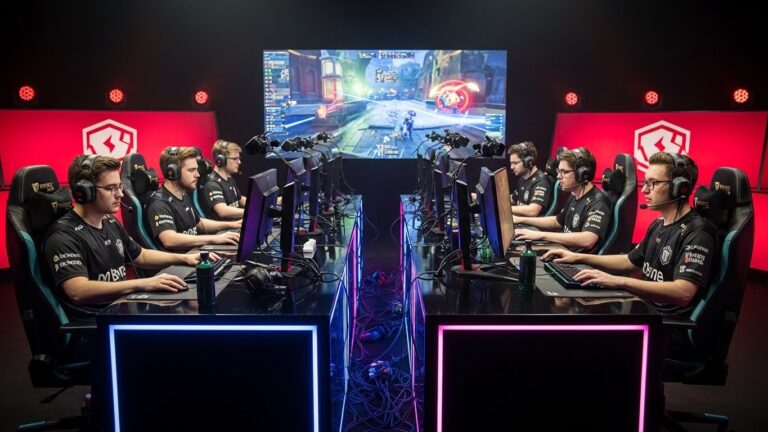
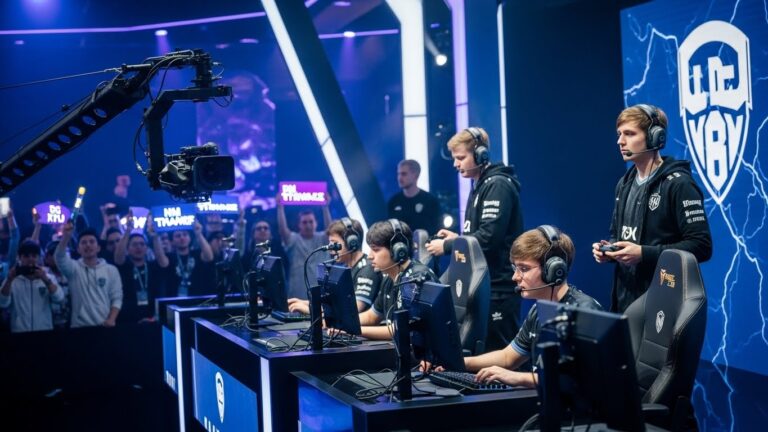
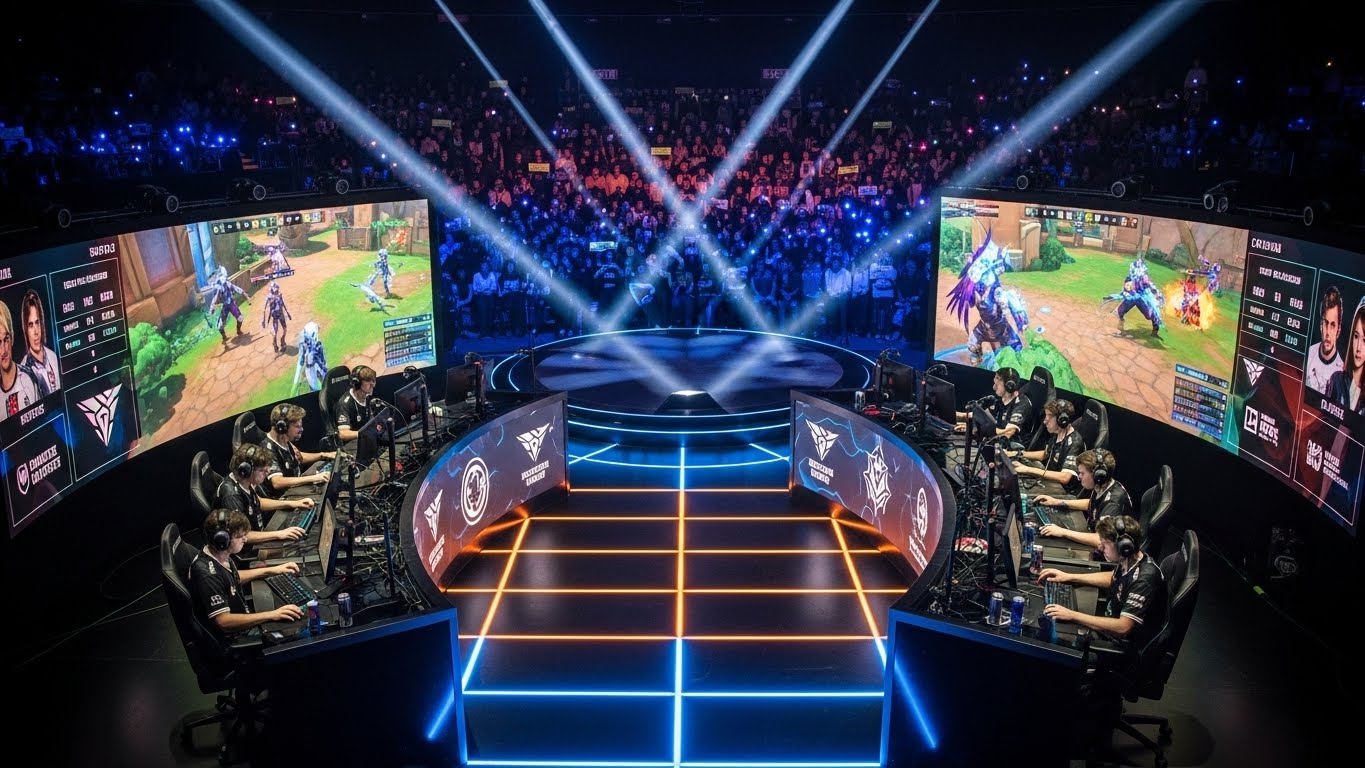
The world of entertainment has witnessed a revolutionary transformation over the last two decades. Once considered a casual hobby, video gaming has grown into a global phenomenon, with esports standing at the forefront of this evolution. Esports, short for electronic sports, refers to competitive video gaming where professional players and teams face off in tournaments and leagues. What was once confined to basements and small gaming communities has now become a multi-billion-dollar industry, drawing millions of viewers and participants worldwide. This blog explores the rise of esports, its impact on culture, the opportunities it presents, and the challenges it faces.
The Origins of Esports
Esports did not appear overnight. Its roots trace back to the late 1970s and early 1980s when arcade gaming gained popularity. The first recorded video game competition took place in 1972 at Stanford University, where students competed in the game Spacewar. Over the years, tournaments for games like Street Fighter, StarCraft, and Counter-Strike gained traction, forming the foundation of modern esports. The growth of the internet and the availability of high-speed connections in the 2000s catalyzed the expansion of competitive gaming, enabling online multiplayer competitions to flourish and reach a global audience.
The Growth of Esports as a Global Industry
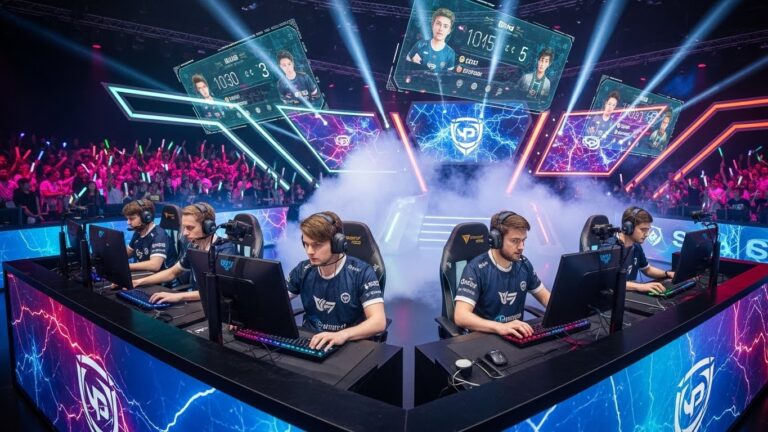
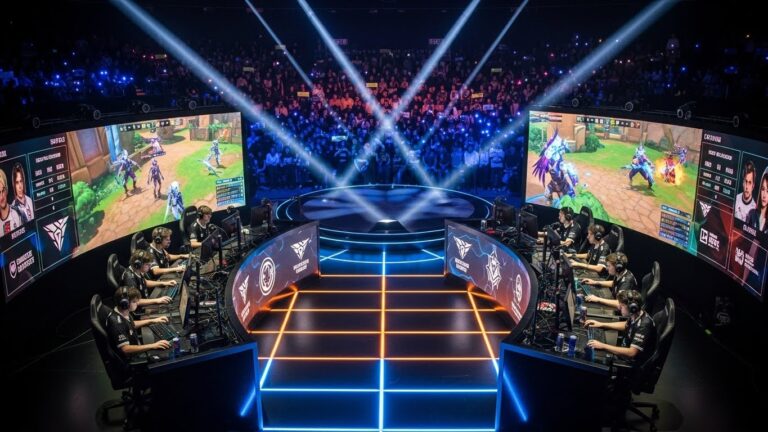
The esports industry has experienced exponential growth in recent years. Major tournaments, such as the League of Legends World Championship, Dota 2’s The International, and the Fortnite World Cup, offer prize pools in the millions of dollars. Beyond prize money, sponsorships from brands like Nike, Red Bull, and Intel have brought unprecedented financial support to teams and players. The audience for esports has also expanded dramatically, with streaming platforms such as Twitch, YouTube Gaming, and Facebook Gaming providing fans with access to live events and commentary. Analysts predict that the global esports market could reach billions in revenue within the next few years, surpassing traditional forms of entertainment in influence and engagement.
The Esports Ecosystem
Understanding esports requires recognizing its complex ecosystem. At its core, professional players and teams compete in tournaments and leagues, but there are several additional layers that make the industry thrive. Tournament organizers are responsible for hosting events, securing sponsorships, and attracting audiences. Streaming platforms provide a stage for players and content creators to engage with fans, while brands and advertisers invest in marketing opportunities. Esports media outlets report on tournaments, player transfers, and industry trends, further legitimizing esports as a professional sport. Additionally, educational institutions have begun offering scholarships for esports, signaling a growing recognition of gaming as a serious career path.
Esports and Technology
Technology plays a pivotal role in shaping esports. The evolution of gaming hardware, including powerful PCs, high-refresh-rate monitors, and specialized peripherals, has allowed players to perform at peak levels. Software innovations such as game engines, anti-cheat systems, and advanced analytics tools contribute to fairness and performance improvement. Live streaming technology has also transformed esports into an accessible spectator sport, allowing millions of fans to watch events from anywhere in the world. Virtual reality and augmented reality are emerging trends that could redefine the way players and viewers experience esports, pushing the boundaries of immersion and interaction.
Cultural Impact of Esports
Esports is not just about competition; it has significant cultural implications. Gaming communities provide social spaces where individuals with shared interests can interact, collaborate, and compete. Esports has influenced fashion, music, and entertainment, with professional players becoming celebrities in their own right. Merchandise sales, fan art, and social media engagement contribute to a culture that extends beyond the gaming world. Furthermore, esports has played a role in breaking down barriers and challenging stereotypes. Gaming is increasingly recognized as a diverse and inclusive space, welcoming players of all genders, ethnicities, and backgrounds.
Opportunities in Esports Careers
Esports offers more than just fame and prize money for professional players. The industry provides diverse career opportunities across various domains. Players can pursue competitive careers in different game genres, from first-person shooters to strategy games. Coaches, analysts, and team managers help optimize player performance and strategize for tournaments. Content creation, including streaming and video production, has become a viable career, allowing individuals to monetize their skills and personalities. Moreover, esports marketing, event management, and game development roles provide pathways for professionals interested in the business and technical sides of gaming. Educational programs and training academies have emerged to prepare aspiring players and industry professionals, demonstrating the long-term sustainability of esports careers.
Challenges Facing the Esports Industry
Despite its rapid growth, esports faces several challenges. One of the primary concerns is player burnout. Competitive gaming demands rigorous practice schedules, often leading to physical and mental strain. Organizations and players are increasingly aware of the need for wellness programs and balanced routines. Another challenge is regulation. Unlike traditional sports, esports lacks standardized governance, which can lead to inconsistencies in tournament rules, contracts, and player treatment. Additionally, issues like cheating, toxic behavior, and online harassment can threaten the integrity and inclusivity of esports. Addressing these challenges is crucial for the continued growth and legitimacy of the industry.
The Role of Education in Esports
Education is playing an increasingly important role in esports. Universities and colleges around the world have started offering esports programs, scholarships, and research opportunities. These programs focus not only on competitive gaming skills but also on business management, marketing, and game design. By integrating esports into formal education, institutions are helping legitimize gaming as a career and providing students with practical skills relevant to the growing digital economy. Furthermore, educational initiatives promote healthy gaming habits, teamwork, and problem-solving skills, bridging the gap between leisure and professional development.
Esports and Traditional Sports: A Comparison
Esports and traditional sports share many similarities, including structured leagues, team dynamics, and fan engagement. However, esports has unique characteristics that differentiate it. Digital platforms allow for instant global access, while games evolve rapidly, creating new opportunities and challenges for players and audiences. Unlike physical sports, esports emphasizes strategic thinking, reflexes, and digital dexterity. The convergence of traditional sports and esports is also evident, with professional sports organizations investing in esports teams, and traditional sports broadcasters including esports coverage in their programming. This synergy highlights esports’ potential to redefine how we perceive competition and entertainment.
Future Prospects of Esports
The future of esports looks incredibly promising. Technological advancements, increasing mainstream acceptance, and growing investment indicate that esports will continue to expand its influence. Virtual reality, artificial intelligence, and cloud gaming could introduce new game formats, training methods, and viewer experiences. Esports could also play a larger role in education, corporate training, and entertainment collaborations. Furthermore, as societies recognize the value of digital literacy and creative problem-solving, esports may become a core component of youth culture and professional development, cementing its place as a permanent fixture in the global entertainment landscape.
Conclusion
Esports has evolved from a niche pastime into a global industry that influences culture, technology, and career opportunities. Its growth reflects the dynamic interplay between innovation, competition, and community, demonstrating that gaming is more than just entertainment—it is a cultural and economic force. As esports continues to expand, it challenges traditional notions of sport, entertainment, and professional achievement, offering new pathways for creativity, collaboration, and personal growth. For those willing to embrace its opportunities, esports represents a future where passion meets profession, and digital talent becomes a celebrated form of excellence.
About the Author