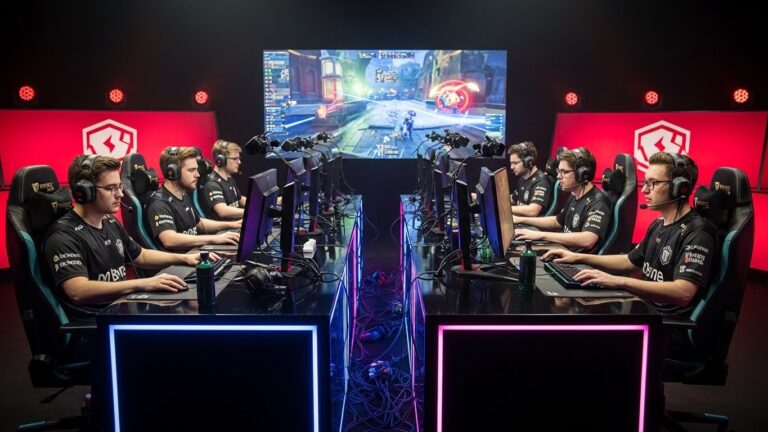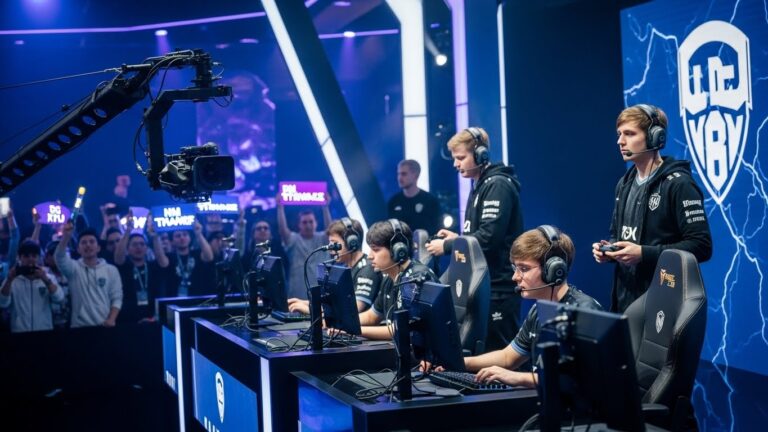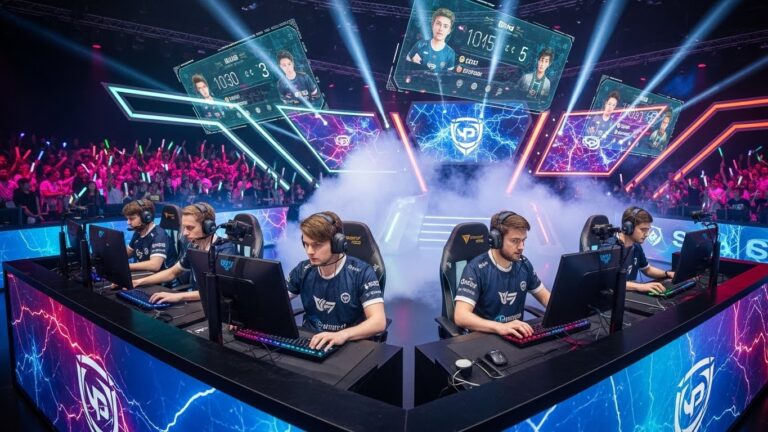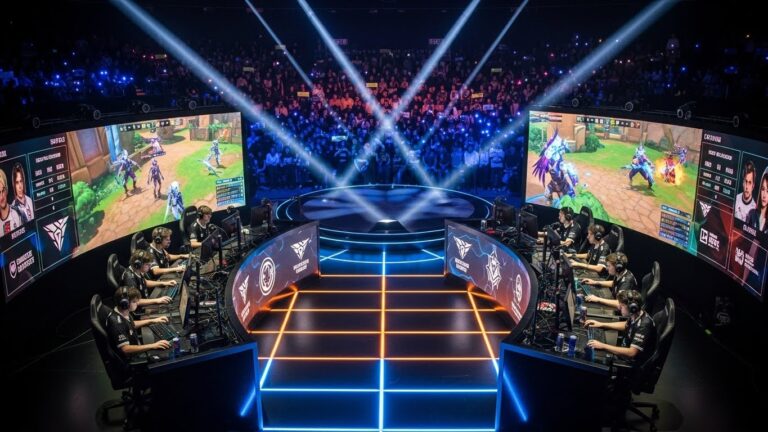
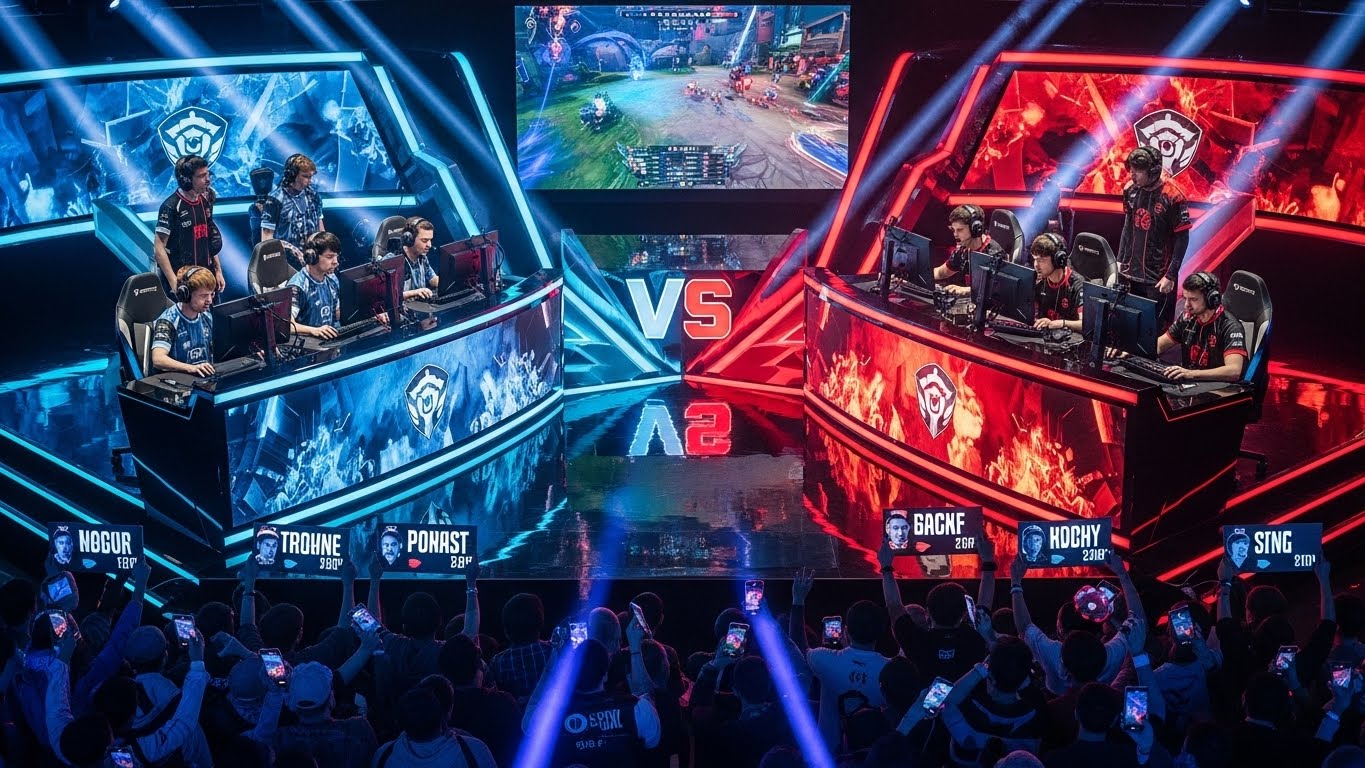
Esports has grown from a niche hobby into a global phenomenon that rivals traditional sports in viewership, revenue, and cultural influence. What started as casual gaming competitions among friends has evolved into a professional arena where players, teams, and organizations thrive on skill, strategy, and entertainment. The world of esports is more than just a digital playground; it has become a platform for innovation, community building, and even social transformation.
The Origins of Esports
The roots of esports can be traced back to the 1970s and 1980s, when video games first became a popular form of entertainment. Early competitions like Space Invaders tournaments set the stage for competitive gaming, and arcade high score challenges sparked interest in player skill and competition. However, it wasn’t until the late 1990s and early 2000s, with the rise of multiplayer online games such as StarCraft, Counter-Strike, and Warcraft, that esports began to take shape as an organized activity.
The development of online connectivity allowed players from different regions to compete against each other, giving rise to professional leagues and tournaments. These early foundations laid the groundwork for what would eventually become a billion-dollar industry with global audiences and professional athletes.
The Popularity Surge of Esports
Esports has experienced unprecedented growth in recent years. Millions of viewers watch major tournaments live, either in stadiums or via streaming platforms. Titles like League of Legends, Dota 2, and Fortnite have captivated audiences with fast-paced gameplay, strategic depth, and dynamic storytelling. The combination of competitive excitement and entertainment value has attracted sponsors, advertisers, and media attention, fueling further growth.
The rise of streaming platforms has also played a crucial role in popularizing esports. Gamers can broadcast their matches to millions of fans worldwide, creating communities centered around skill, personality, and interaction. This accessibility has democratized esports, allowing players from different backgrounds to gain recognition and even pursue professional careers.
Professional Esports: A New Career Path
Once considered a pastime, esports has become a legitimate career path for talented players. Professional esports athletes train rigorously, often dedicating six to ten hours a day to practice. Teams employ coaches, analysts, and support staff to optimize performance, similar to traditional sports organizations.
Professional players can earn substantial incomes through tournament winnings, sponsorship deals, and streaming revenue. Top players have become influential figures in the gaming community, inspiring young gamers to pursue competitive gaming as a viable career. The emergence of collegiate esports programs and professional leagues further solidifies the legitimacy and recognition of esports as a professional field.
The Role of Strategy and Skill in Esports
Unlike casual gaming, esports requires high levels of skill, strategy, and mental acuity. Players must develop quick reflexes, precise coordination, and an understanding of complex game mechanics. In team-based games, communication and teamwork are essential, as success often depends on coordinated strategies and tactical decision-making.
Esports also emphasizes adaptability and continuous learning. Meta shifts, game updates, and evolving strategies demand that players remain flexible and constantly refine their skills. This combination of mechanical proficiency and strategic intelligence makes esports both mentally and physically demanding, challenging the perception that it is merely a recreational activity.
The Psychological and Social Impact of Esports
Engaging in esports offers more than entertainment; it provides significant psychological and social benefits. Competitive gaming encourages problem-solving, critical thinking, and quick decision-making under pressure. These skills can translate into real-world scenarios, improving cognitive function and enhancing mental agility.
Socially, esports fosters community and connection. Players and fans alike find a sense of belonging through shared interests, whether participating in online forums, attending tournaments, or joining local gaming clubs. These communities break down geographical boundaries, allowing people from diverse backgrounds to interact, collaborate, and form lasting friendships.
Esports and Education
The intersection of esports and education has gained attention in recent years. Many schools and universities now offer esports programs, providing students with opportunities to develop technical skills, teamwork, and leadership abilities. Competitive gaming scholarships are also becoming more common, offering talented players financial support and recognition for their abilities.
Educational programs in esports go beyond gameplay, encompassing game design, broadcasting, event management, and analytics. Students can gain practical experience in a rapidly growing industry while exploring career paths in technology, media, and entertainment. This integration of esports into education highlights its potential as a tool for personal and professional development.
The Economic Impact of Esports
Esports has become a major economic force, generating billions of dollars in revenue each year. The industry encompasses tournaments, sponsorships, merchandise, media rights, and digital content. Large-scale events attract international attention, stimulating local economies through tourism, hospitality, and marketing opportunities.
Major esports organizations operate as businesses with professional management, marketing strategies, and global branding. Partnerships with tech companies, apparel brands, and streaming services further enhance profitability. The economic impact of esports demonstrates that competitive gaming is not only culturally significant but also a formidable industry with wide-ranging financial influence.
The Globalization of Esports
Esports transcends national boundaries, connecting players and fans worldwide. International tournaments bring together competitors from diverse countries, showcasing skill, strategy, and cultural diversity. This global reach has fostered cross-cultural exchange, increased understanding, and appreciation for different gaming styles and approaches.
The international nature of esports also highlights the importance of inclusivity and representation. Players from underrepresented regions now have the opportunity to compete on the world stage, promoting diversity and challenging stereotypes about who can succeed in competitive gaming.
Challenges Facing the Esports Industry
Despite its rapid growth, esports faces several challenges. Issues such as player burnout, online toxicity, and mental health concerns are prevalent in competitive gaming. Long hours of practice, high pressure, and constant scrutiny can negatively impact players’ well-being, making support systems and mental health resources essential.
Moreover, the lack of standardized regulations and governing bodies can lead to inconsistencies in tournament rules, prize distribution, and player contracts. Addressing these challenges is crucial to ensuring the sustainability, fairness, and integrity of the esports ecosystem.
Esports and Technology
Technology is the backbone of esports, driving innovation and enhancing experiences for players and fans. High-performance gaming hardware, advanced streaming platforms, and analytical software enable precise performance tracking and immersive entertainment. Virtual reality, augmented reality, and AI-driven game analysis are shaping the future of esports, creating new opportunities for engagement and competition.
Technology also facilitates fan interaction, allowing viewers to watch live streams, participate in tournaments, and connect with players in real time. This digital integration has transformed esports into an interactive and participatory experience, bridging the gap between spectators and competitors.
The Cultural Influence of Esports
Esports has left a significant mark on popular culture. Professional players have become celebrities, influencing fashion, entertainment, and social media trends. Esports content, including live streams, tutorials, and commentary, has created a new form of entertainment consumed by millions globally.
Esports has also influenced traditional media, with television networks, online platforms, and news outlets dedicating coverage to tournaments and player achievements. This cultural integration reflects esports’ growing relevance and acceptance as a legitimate form of entertainment and social engagement.
The Future of Esports
The future of esports is bright, with continued growth, innovation, and mainstream recognition. Emerging technologies, expanding audiences, and increased investment will shape the next generation of competitive gaming. Esports will continue to intersect with education, entertainment, and social development, creating opportunities for players, fans, and professionals across industries.
Sustainability, inclusivity, and mental health support will be key areas of focus, ensuring that esports remains accessible, fair, and enjoyable for all. As esports evolves, it will continue to redefine the boundaries of competition, entertainment, and community in the digital age.
Conclusion: Esports as a Catalyst for Change
Esports is more than digital competition; it is a cultural, social, and economic force shaping the modern world. From fostering global communities to creating new career paths, esports impacts lives far beyond the screen. It challenges perceptions of gaming, demonstrating that skill, strategy, and dedication are universal values that transcend traditional definitions of sport.
As esports continues to grow, it will inspire innovation, empower individuals, and bring people together in ways previously unimaginable. Whether as a professional player, an aspiring competitor, or a passionate fan, esports offers opportunities to learn, connect, and thrive. In this digital era, esports is not just a game—it is a transformative movement shaping the future of entertainment, culture, and human connection.
About the Author