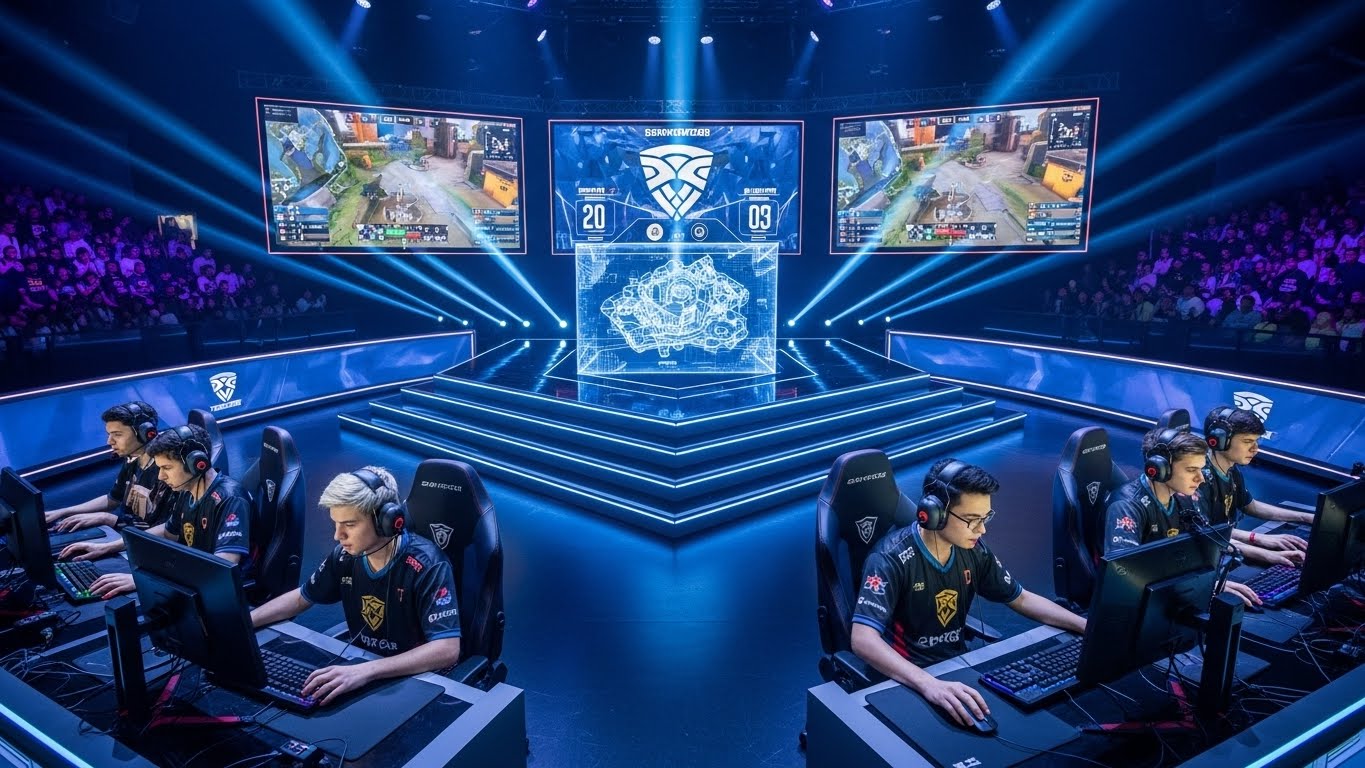
Introduction: The Esports Phenomenon
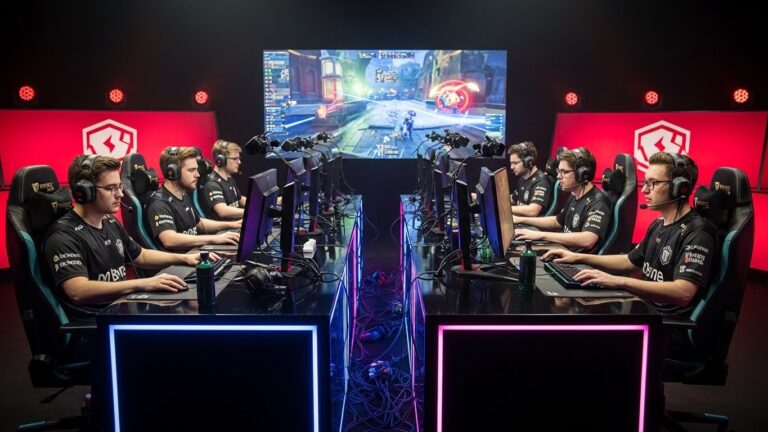
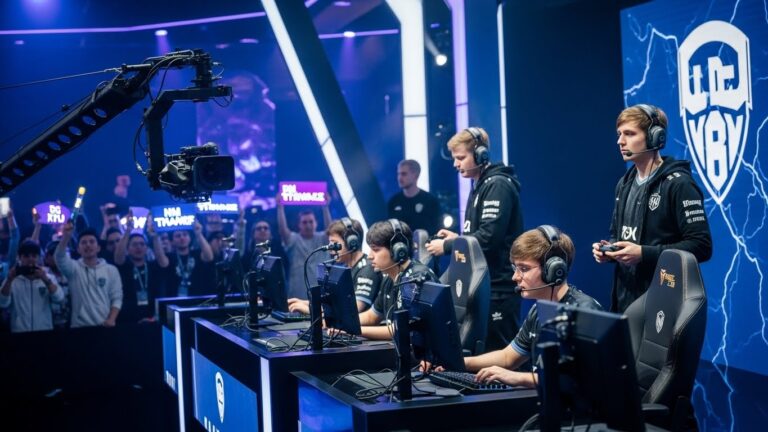
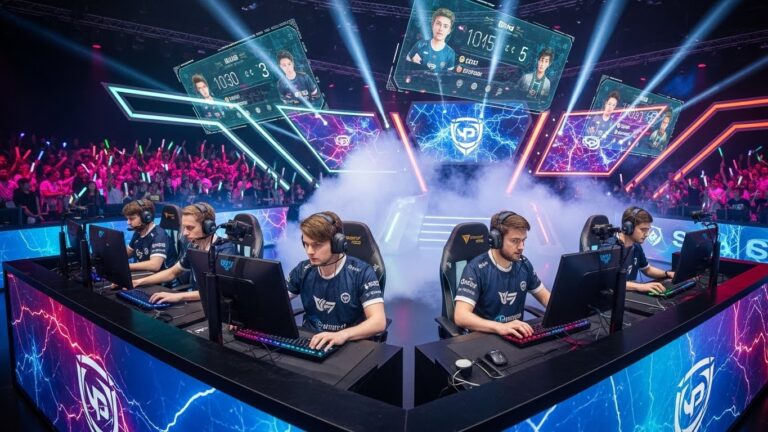
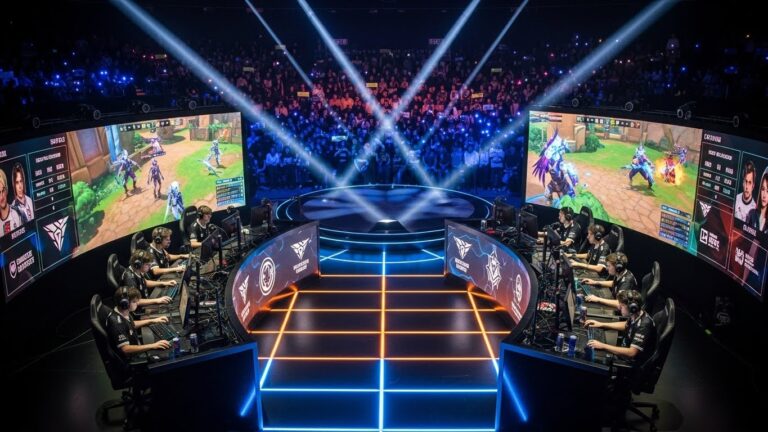
Over the past decade, esports has transformed from a niche hobby to a global cultural and economic force. What was once a pastime enjoyed by a small group of passionate gamers has evolved into a billion-dollar industry, drawing in millions of viewers, sponsors, and participants worldwide. With the rapid advancement of technology and the growing popularity of competitive gaming, esports has become a mainstream entertainment option. From virtual arenas to packed stadiums, esports is no longer a fringe activity but a legitimate career path for players, streamers, and organizations alike.
This blog will explore the rise of esports, its impact on the gaming industry, the growing fanbase, and the future of this exciting sector.
The Origins of Esports: From Arcade Competitions to Global Tournaments
Esports, or electronic sports, is the term used to describe organized, multiplayer video game competitions, particularly between professional players, individually or as teams. While competitive gaming has existed since the early days of arcade machines and local tournaments, it wasn’t until the late 1990s and early 2000s that esports began to take shape as we know it today.
In the late 1990s, the popularity of online multiplayer games like Quake and StarCraft gave rise to some of the first professional gaming tournaments. These events were held in small venues with modest prize pools, but they were important milestones in the evolution of esports. The year 1997 marked the beginning of what would become a global phenomenon with the Red Annihilation tournament, which was held for the game Quake. This event attracted a significant amount of attention and served as the foundation for future competitive gaming tournaments.
As technology improved and internet speeds increased, online gaming grew rapidly, paving the way for larger tournaments. The launch of League of Legends in 2009 marked another major milestone for esports, helping to establish a professional, organized, and highly competitive environment.
Esports Today: An Industry in Full Bloom
Esports has gone from humble beginnings to a multi-billion-dollar industry, with revenues expected to exceed $1.5 billion in 2023. Professional players now compete for multimillion-dollar prize pools, while live events attract massive audiences, both online and in-person. A wide variety of games—such as Dota 2, Counter-Strike: Global Offensive, Overwatch, Fortnite, Valorant, and Call of Duty—have become the centerpiece of major tournaments.
A key factor in the growth of esports is the rise of live streaming platforms like Twitch and YouTube Gaming. These platforms have allowed players and fans to connect in real-time, creating communities around the games they love. Professional gamers and streamers now have the opportunity to build personal brands, amass millions of followers, and secure sponsorships, turning their gaming skills into a lucrative career.
Esports organizations, such as Team Liquid, Cloud9, Fnatic, and G2 Esports, have become household names, employing teams of players who train full-time in order to compete at the highest level. These organizations not only pay salaries to their players but also provide coaches, analysts, and managers to ensure their teams perform at their peak.
The Economic Impact of Esports
Esports’ economic influence extends far beyond the prize money awarded to players. The industry has created thousands of jobs, including game developers, event organizers, streamers, marketers, content creators, and even esports journalists. Esports has also attracted the attention of major sponsors, with brands like Coca-Cola, Intel, and Red Bull investing heavily in the industry.
Sponsorship deals are a key revenue stream for esports organizations and players. Major sponsors support both live tournaments and individual streamers. For example, in 2021, Twitch signed multi-million dollar deals with top streamers, solidifying their place in the mainstream entertainment ecosystem. These sponsorships are not limited to gaming hardware companies; traditional brands across industries are eager to reach esports audiences, many of whom are in the coveted 18-34 age demographic.
Media rights are another important revenue stream in esports. Just like traditional sports leagues, major esports tournaments have broadcast rights that are sold to TV networks, streaming services, and even social media platforms. The League of Legends World Championship, for example, has attracted millions of viewers across the globe and garnered significant investment from media giants.
The Global Esports Community: Connecting Players and Fans
One of the most significant aspects of esports is its ability to bring together diverse communities from all corners of the globe. Esports has created a unique form of digital entertainment where players and fans can interact in real-time, regardless of location.
Unlike traditional sports, where a game can be confined to a specific stadium or region, esports events can be streamed globally, allowing fans from every country to experience the thrill of live competitions. This accessibility has led to the rapid expansion of esports’ global fanbase.
Communities form around popular games and esports personalities, with fans creating content, sharing memes, and organizing watch parties. Social media platforms such as Twitter, Reddit, and Discord have become hubs for fan interaction, where enthusiasts discuss strategies, predictions, and updates related to their favorite players or teams.
The rise of esports has also given rise to new forms of fan engagement. While traditional sports fans may attend live events, esports fans can engage through live chat on streaming platforms, watch behind-the-scenes content, and even interact with their favorite players directly. This level of interactivity has created a deeper connection between fans and players, with many top esports stars now enjoying the same level of fame as athletes in traditional sports.
The Role of Technology in Esports
Technology plays a pivotal role in the growth of esports, not only in terms of game development but also in how events are broadcast and experienced by viewers. The development of cutting-edge gaming hardware, including high-performance computers, graphics cards, and peripherals, has allowed professional players to compete at the highest level.
Streaming platforms have also played a critical role in popularizing esports, making it possible for fans to watch their favorite games live, without geographic or time zone limitations. High-definition streaming, 4K resolution, and virtual reality (VR) technology are taking esports broadcasts to new heights, offering viewers an immersive experience that closely mimics being at a live event.
Furthermore, technology has helped to improve the gameplay experience for both professionals and casual gamers. The rise of esports training software, such as aim trainers and tactical analysis tools, has made it easier for players to refine their skills and strategies. Additionally, game developers continue to update and improve their titles to ensure that competitive balance is maintained, which is essential for esports competitions.
The Future of Esports: Expanding Beyond Gaming
As esports continues to grow, its influence is spilling over into other industries, including entertainment, education, and even healthcare. Esports has the potential to reshape the way we think about sports and competition in the 21st century.
Entertainment and Media Integration: Major streaming platforms like Netflix and Amazon Prime have already ventured into the world of esports by producing documentaries and series based on the lives of top players and esports organizations. This crossover between gaming and traditional entertainment suggests that esports is destined to become an even more integrated part of mainstream culture.
Esports in Education: Esports is making its way into schools and universities as well. Many institutions have started to offer scholarships for talented gamers and established dedicated esports programs. Esports offers students a unique way to develop valuable skills like teamwork, communication, and strategic thinking. Several colleges now host competitive esports teams, and major universities are even offering degrees in esports management, recognizing the growing demand for professionals in this field.
Esports and Mental Health: The focus on mental health and wellness in the esports industry is also an important development. Many professional players experience the pressures of competition, long training hours, and public scrutiny. As a result, teams and organizations are increasingly prioritizing mental health support, providing players with access to therapists, wellness programs, and stress-relief techniques. This trend is essential as the esports industry matures and continues to attract younger audiences.
Conclusion: The Future is Bright for Esports
Esports has come a long way from its humble beginnings, and it shows no signs of slowing down. As the industry continues to expand, it will be interesting to see how it intersects with other forms of entertainment, technology, and education. With the continued growth of online platforms, the rise of global tournaments, and the increasing recognition of esports as a legitimate career path, the future of competitive gaming looks incredibly bright.
The esports ecosystem is more than just a form of entertainment; it is a thriving, dynamic industry that continues to innovate and evolve. Whether you’re a player, fan, or industry professional, esports has created new opportunities and experiences that would have been unimaginable just a few decades ago. As the world continues to embrace gaming culture, the potential for esports to become a dominant force in global entertainment is limitless.
About the Author