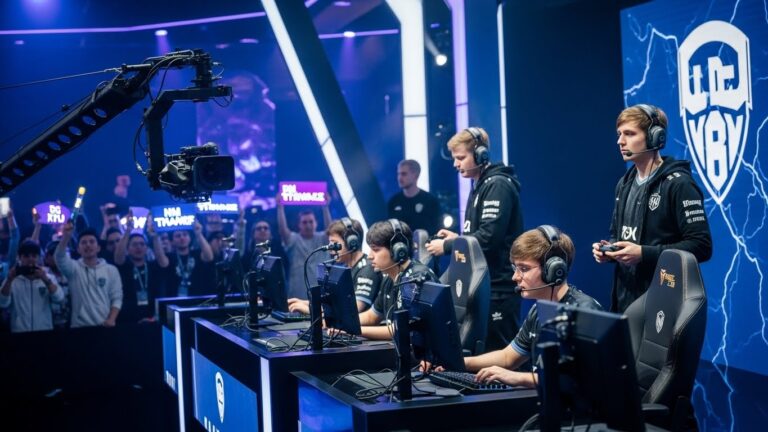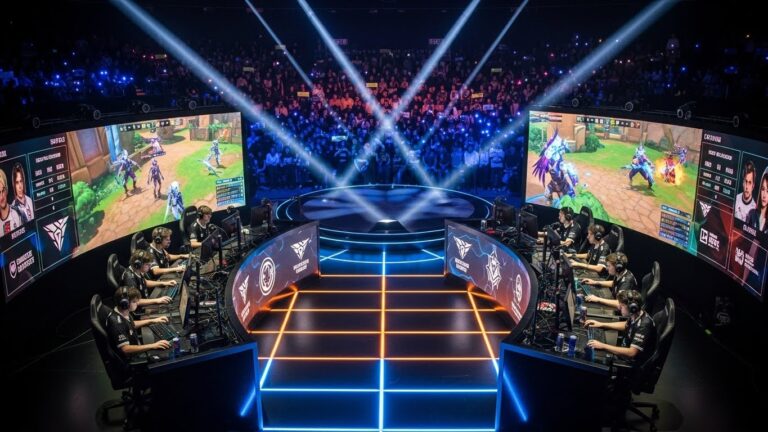

Esports, once seen as a niche hobby, has grown into a global phenomenon. It’s no longer just a few gamers battling it out for fun in their basement; esports has become a multi-billion-dollar industry, attracting fans, sponsors, and investors alike. With its rapid growth, esports has changed the way we think about competition, entertainment, and even career opportunities in the gaming world.
In this blog post, we will dive deep into the world of esports, exploring its origins, the factors contributing to its growth, and what the future holds for this rapidly evolving industry.
What is Esports?
Esports, short for electronic sports, refers to organized, multiplayer video game competitions, particularly between professional players, individually or as teams. These events can be held at local, national, or global levels, with tournaments often streamed online, attracting millions of viewers. Esports isn’t just limited to playing games, but also involves commentary, live streaming, and media coverage, making it a full-fledged entertainment experience.
Games like League of Legends, Dota 2, Counter-Strike: Global Offensive, Fortnite, and Overwatch are among the most popular titles in the competitive gaming scene. Players, often recruited by esports organizations, practice tirelessly to perfect their skills, much like athletes in traditional sports.
The Birth and Evolution of Esports
The history of esports can be traced back to the early 1970s. The first-ever video game tournament was held in 1972 at Stanford University, where players competed in Spacewar, a space combat game. Fast forward to the 1990s, and competitive gaming began to take shape with the rise of LAN (Local Area Network) parties, where gamers gathered to compete against each other in multiplayer games like Quake and StarCraft.
However, it wasn’t until the 2000s that esports truly gained traction. Games like Warcraft III and Counter-Strike became popular among players and viewers alike. The rise of platforms such as Twitch (founded in 2011) allowed players to broadcast their gameplay live, bringing esports into the homes of millions of viewers worldwide. Streaming became a crucial part of the esports ecosystem, helping it grow into the global industry we know today.
As esports tournaments grew in size and scope, professional organizations emerged to manage teams and players. These organizations secured sponsorships from major brands, providing players with salaries, equipment, and training. The prize pools for major tournaments increased dramatically, with millions of dollars up for grabs in competitions such as The International (Dota 2) and the League of Legends World Championship.
Why is Esports Gaining Popularity?
Several factors have contributed to the meteoric rise of esports. The following are some of the key reasons why esports has become such a dominant force in entertainment.
1. Advancements in Technology and Accessibility
The gaming world has benefited significantly from the rapid advancements in technology. High-speed internet, powerful gaming consoles, and PCs, along with the widespread availability of mobile devices, have made gaming more accessible than ever before. The ability to play games online and participate in global tournaments from the comfort of home has broken down barriers, allowing players and fans from all over the world to connect.
Furthermore, the development of streaming platforms such as Twitch, YouTube Gaming, and Facebook Gaming has made it easier for fans to follow their favorite players and teams in real-time, adding an entirely new layer to the esports experience.
2. The Professionalization of Esports
As esports has grown, so too has the level of professionalism within the industry. Esports organizations now operate similarly to traditional sports teams, with full-time players, coaches, analysts, and even psychologists who help improve team performance. Players are no longer just enthusiasts; they are highly skilled professionals who train for hours every day, just like athletes in any other sport.
The emergence of sponsors and media rights deals has helped fund the ecosystem, while professional leagues have brought structure and consistency to competitions. Events are now organized in arenas and broadcasted live, drawing large crowds and millions of online viewers.
3. Esports as a Career Path
For many, esports represents a viable career path. Professional gamers can earn significant salaries from tournament prize money, sponsorships, and live streaming. In addition, the industry offers opportunities in other areas such as event organization, broadcasting, marketing, and game development.
Many traditional sports organizations and celebrities have taken notice of the growing potential in esports. Big names like NBA team owners, movie stars, and tech giants like Intel and Coca-Cola have invested heavily in esports, fueling its rise. As the industry expands, so too do the job opportunities and career prospects for those passionate about gaming.
4. The Social and Cultural Appeal of Esports
Esports offers a unique sense of community. With online multiplayer games, players are often connected to others from around the world. Esports fans share a similar passion for gaming, creating tight-knit communities on platforms like Reddit, Discord, and Twitter. These online spaces allow fans to interact with each other, support their favorite players, and discuss strategies, much like fans of traditional sports do.
The increasing visibility of esports in pop culture has also helped broaden its appeal. Celebrities, influencers, and popular streamers bring attention to competitive gaming, making it more mainstream. The association of esports with youth culture, as well as the integration of esports into schools and universities, further enhances its cultural relevance.
Esports Tournaments: The Heart of the Industry
Esports tournaments are the pinnacle of competitive gaming. These events can attract millions of viewers, both online and in person. The most significant tournaments include:
1. The International (Dota 2)
The International is one of the largest and most prestigious esports tournaments, with a prize pool that regularly exceeds $40 million. It has become an annual event that garners significant attention from players, fans, and media outlets. Dota 2, developed by Valve, has established a reputation for its high-level gameplay and massive global fan base.
2. League of Legends World Championship
The League of Legends World Championship, or Worlds, is another major event in the esports calendar. With millions of dollars in prize money and a massive global following, Worlds is a staple of the competitive gaming scene. Teams from all over the world battle for dominance in League of Legends, a multiplayer online battle arena (MOBA) game, making it one of the most-watched esports events each year.
3. CS:GO Major Championships
Counter-Strike: Global Offensive (CS:GO) is one of the oldest and most successful esports titles. The CS:GO Major Championships are held multiple times a year, with professional teams from all over the globe competing for huge prize pools. The tournament is known for its intense, strategic gameplay and is watched by millions across the world.
4. Overwatch League
Overwatch, developed by Blizzard Entertainment, has its own professional league, the Overwatch League (OWL). This league features teams from various cities around the world and operates much like traditional sports leagues such as the NBA or NFL. The OWL has become a major part of the esports landscape, known for its diverse international representation and engaging team-based gameplay.
The Future of Esports
The future of esports looks incredibly promising. As the industry continues to mature, we are likely to see further expansion into traditional media, including television broadcasts and partnerships with major sports networks. Increased investment from brands and media companies will help fuel the next generation of esports stars and tournaments.
One of the most exciting prospects for esports is its inclusion in global events like the Olympic Games. The International Olympic Committee has expressed interest in exploring the potential of including esports as a medal event in future Olympics, which would legitimize esports on a global stage.
Moreover, the rise of virtual reality (VR) and augmented reality (AR) technologies has the potential to revolutionize the way we experience esports. These immersive technologies could offer players and viewers alike a completely new way to engage with competitive gaming.
Conclusion
Esports has come a long way from its humble beginnings in basement tournaments to becoming a global entertainment juggernaut. It is a testament to how technology, passion, and competition can come together to create something truly remarkable. With professional players, massive tournaments, and an ever-growing fanbase, esports is here to stay. As it continues to evolve, it will undoubtedly shape the future of entertainment, competition, and careers in ways we can’t yet fully comprehend.
Esports offers a unique blend of skill, strategy, and entertainment that attracts millions of viewers worldwide, making it one of the most exciting developments in the entertainment industry in recent years. Whether you’re a casual gamer or a die-hard fan, there’s no denying that esports has cemented its place in the cultural zeitgeist.
About the Author