Introduction
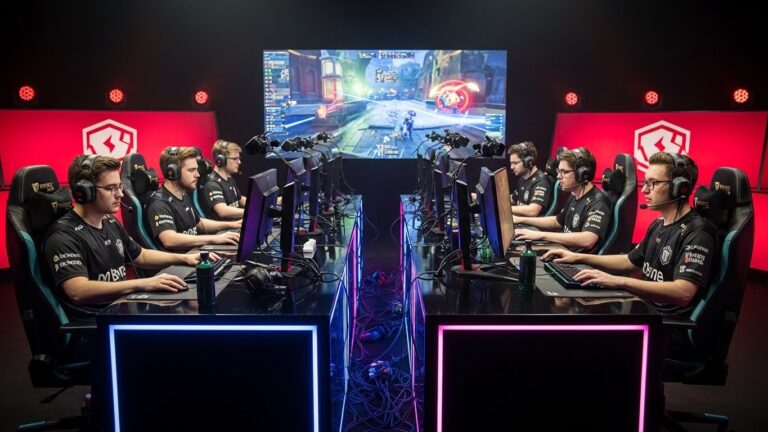
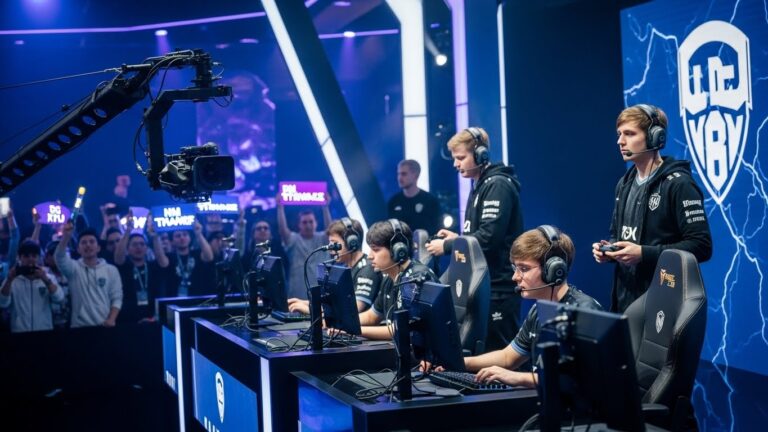
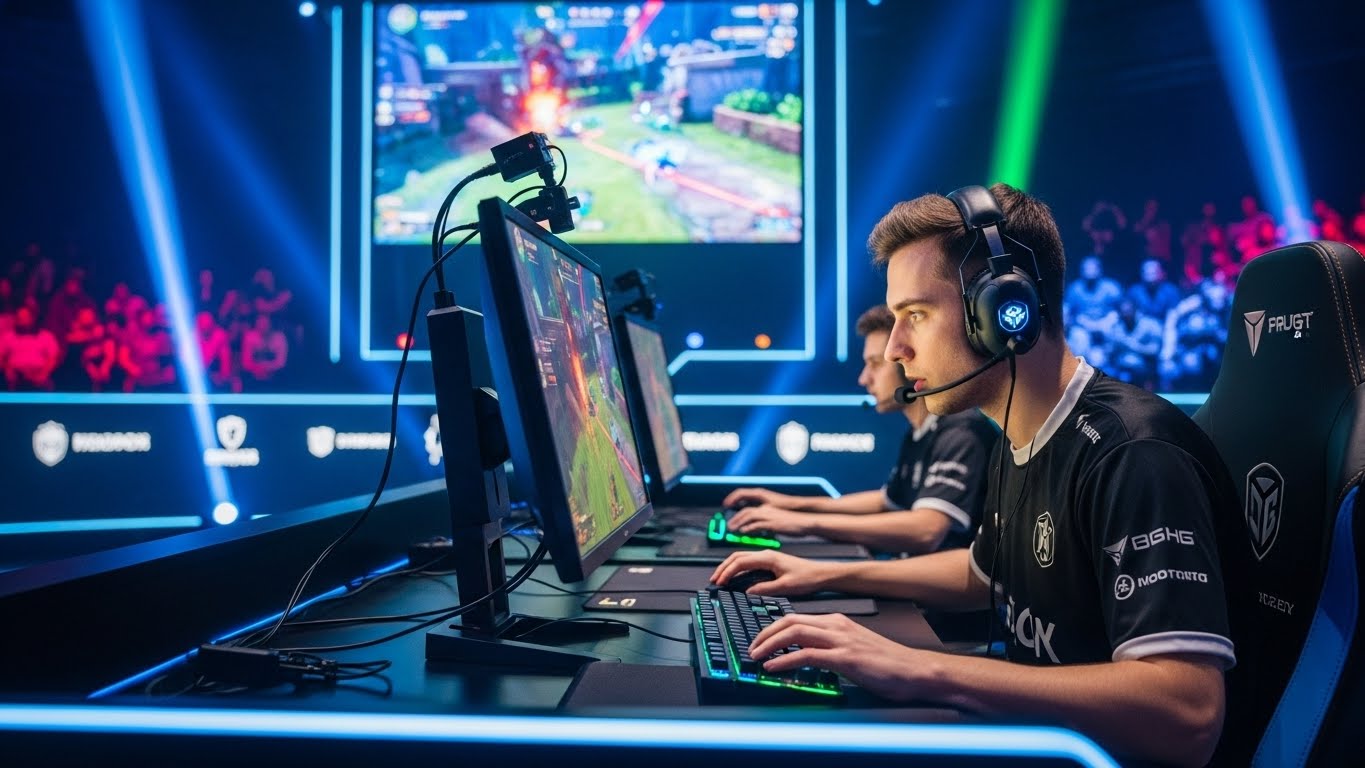
Esports, short for electronic sports, has emerged as one of the fastest-growing industries in entertainment. What began as casual gaming among friends has transformed into a highly competitive, professional, and global phenomenon. With millions of viewers, multi-million-dollar tournaments, and professional teams, esports is redefining the concept of competition in the 21st century. Beyond gaming, esports impacts culture, technology, education, and even career paths. This blog explores the rise of esports, its significance, its impact on players and society, and its promising future.
The Origins of Esports
The concept of competitive gaming dates back decades. In the 1970s and 1980s, arcade competitions and high-score challenges laid the foundation for esports. Titles like Space Invaders and Pac-Man attracted players eager to prove their skill. By the 1990s, games such as Doom, Quake, and StarCraft introduced multiplayer and online competitive gameplay, enabling players from different locations to compete against each other.
South Korea became a pivotal region in the evolution of esports. StarCraft, in particular, gained immense popularity, leading to professional leagues, dedicated esports stadiums, and televised competitions. These developments marked the transition from casual gaming to professional esports, showcasing both skill and strategy on a global stage.
Esports as a Global Industry
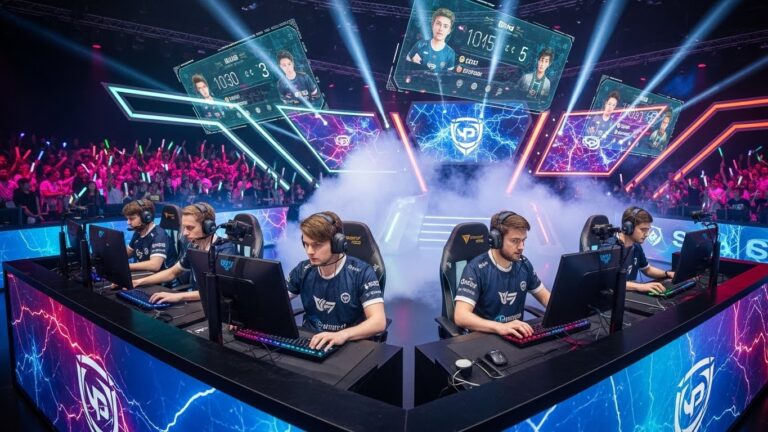
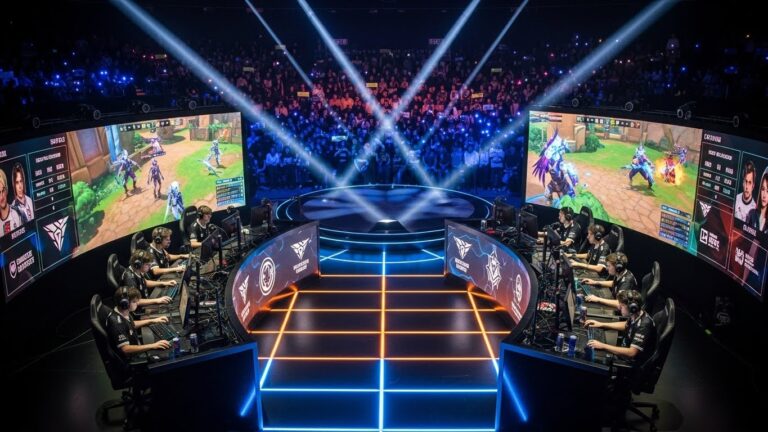
Today, esports is a multi-billion-dollar industry with significant global influence. Professional tournaments like The International for Dota 2, the League of Legends World Championship, and the Fortnite World Cup attract millions of viewers and feature prize pools in the millions. Major teams, including T1, Team Liquid, and Fnatic, operate with structured rosters, coaches, analysts, and support staff, much like traditional sports franchises.
Revenue in esports comes from multiple sources: sponsorships, advertising, merchandise, live event ticket sales, and online streaming. Streaming platforms such as Twitch and YouTube Gaming allow fans to watch competitions in real-time and interact with players, creating an unprecedented level of audience engagement. The industry’s rapid growth has also attracted investors and corporations, further solidifying esports as a serious commercial enterprise.
The Popularity of Esports
Esports has captured the attention of millions due to its accessibility, excitement, and community-driven nature. Unlike traditional sports, esports allows players to compete from almost anywhere with an internet connection. This accessibility makes competitive gaming inclusive, appealing to a broad range of ages and backgrounds.
The thrill of esports lies in its fast-paced gameplay, strategic depth, and high-level skill display. Fans follow professional players and teams, analyze strategies, and even emulate techniques in their personal gameplay. The interactive nature of esports, combined with live streaming, creates a sense of connection between players and audiences that is unmatched in many other entertainment forms.
Popular Esports Genres
Esports spans multiple genres, each with unique challenges and communities:
- Multiplayer Online Battle Arenas (MOBAs): Games such as League of Legends and Dota 2 emphasize strategy, teamwork, and coordination. Players must execute complex strategies while reacting to the dynamic actions of opponents.
- First-Person Shooters (FPS): Games like Counter-Strike: Global Offensive, Call of Duty, and Valorant focus on precision, reflexes, and tactical decision-making. FPS esports demand rapid thinking and perfect coordination among teammates.
- Battle Royale Games: Fortnite, PUBG, and Apex Legends require adaptability, resource management, and survival skills. Players compete in large-scale arenas, often combining strategy with individual skill.
- Sports Simulations: FIFA, NBA 2K, and Madden NFL allow players to compete virtually in real-world sports. These games bridge traditional sports and digital competition, creating a unique niche in esports.
- Fighting Games: Street Fighter, Tekken, and Super Smash Bros. focus on one-on-one combat, emphasizing timing, strategy, and reflexes. These games often host tournaments that are highly spectator-friendly.
Each genre attracts different audiences and players, contributing to the diversity and vibrancy of esports culture.
The Role of Technology in Esports
Technology is at the heart of esports. High-performance gaming PCs, consoles, monitors, and peripherals are essential for competitive play. Fast internet connections and server infrastructure ensure smooth gameplay and fair competition.
Beyond hardware, technology enhances the spectator experience. Live streaming, instant replays, and analytics platforms allow fans to engage with competitions in real-time. Teams utilize data analysis and performance tracking to refine strategies, monitor player health, and improve outcomes. Virtual reality and augmented reality are emerging as tools to further immerse both players and viewers, creating innovative ways to experience esports.
Career Opportunities in Esports
Esports has created a wide range of professional opportunities. Players can earn substantial incomes through tournament winnings, sponsorships, and streaming revenue. Streamers and content creators monetize gameplay, tutorials, and entertainment content, often reaching millions of viewers.
Other roles in the industry include coaches, analysts, commentators, event organizers, marketing specialists, and esports journalists. Educational institutions and universities have begun offering scholarships and programs focused on esports, recognizing its legitimacy as a professional career path. As the industry grows, it continues to provide sustainable opportunities for individuals with diverse talents and skills.
Esports and Social Connection
One of esports’ most significant impacts is its ability to foster social connections. Online communities provide spaces for players to collaborate, discuss strategies, and form friendships. Tournaments and live events bring fans together, creating shared experiences that transcend geographical boundaries.
Esports is also inclusive. Unlike many traditional sports, physical ability, gender, and location are less limiting, allowing a diverse range of participants to engage competitively. This inclusivity fosters global communities united by a shared passion for gaming and competition.
Mental and Cognitive Benefits of Esports
Esports offers numerous cognitive and mental benefits. Competitive gaming requires strategic thinking, quick decision-making, multitasking, and adaptability. Players develop critical problem-solving skills, hand-eye coordination, spatial awareness, and focus.
Additionally, esports teaches resilience and emotional management. Players experience both wins and losses, learning to handle pressure, adapt strategies, and maintain composure. While moderation is key to avoiding excessive screen time, esports can enhance mental agility and personal growth in ways similar to traditional sports.
Challenges and Controversies in Esports
Despite its growth, esports faces challenges. Issues such as cheating, hacking, toxic behavior, and match-fixing threaten the integrity of competitions. Organizers and developers continuously implement rules and monitoring systems to maintain fair play.
Health concerns are also significant. Professional players often spend long hours practicing, which can lead to physical strain, poor posture, and burnout. Many organizations now emphasize physical fitness, mental wellness programs, and proper nutrition for their players to ensure longevity in the field.
Finally, the recognition of esports as a legitimate sport varies by region. While some countries officially acknowledge esports, others debate its classification compared to traditional physical sports. Establishing standardized regulations, leagues, and governance structures will be crucial for long-term legitimacy.
Cultural Impact of Esports
Esports has transformed modern culture, influencing entertainment, social interaction, and media. Gaming personalities have become celebrities, with fans following their content, fashion, and lifestyle. Esports tournaments have become cultural events, attracting attention beyond gaming communities.
The global nature of esports fosters cross-cultural interaction. International competitions celebrate diversity, teamwork, and talent, promoting understanding and collaboration. Esports has blurred the boundaries between traditional sports, gaming, and entertainment, creating a hybrid cultural phenomenon that resonates worldwide.
The Future of Esports
The future of esports is bright and full of potential. Virtual reality, augmented reality, and artificial intelligence will further enhance gameplay, training, and viewing experiences. Esports may integrate more closely with traditional sports, creating hybrid competitions and expanding global appeal.
Inclusivity, sustainability, and professional development will define the industry’s growth. Standardized leagues, governing bodies, and educational programs will help establish esports as a long-term, respected field. As technology advances and global connectivity improves, esports is likely to continue expanding its cultural, economic, and social influence.
Conclusion
Esports has transformed competitive gaming into a professional, global, and culturally significant phenomenon. It combines entertainment, strategy, skill, and community in a unique way that engages millions worldwide. Beyond gameplay, esports fosters social connection, cognitive growth, and career opportunities, while pushing the boundaries of technology and competition.
While challenges exist, such as health concerns, fair play, and regulation, the industry’s rapid growth and innovation demonstrate its resilience and potential. Esports is no longer just a hobby—it is a defining element of modern entertainment and sports, inspiring players, uniting communities, and reshaping the way we experience competition.
The digital arena of esports continues to grow, proving that passion, skill, and strategy know no boundaries. It is not just a game; it is a global movement, a career path, and a cultural revolution that shows the power of competition in the modern age.
About the Author