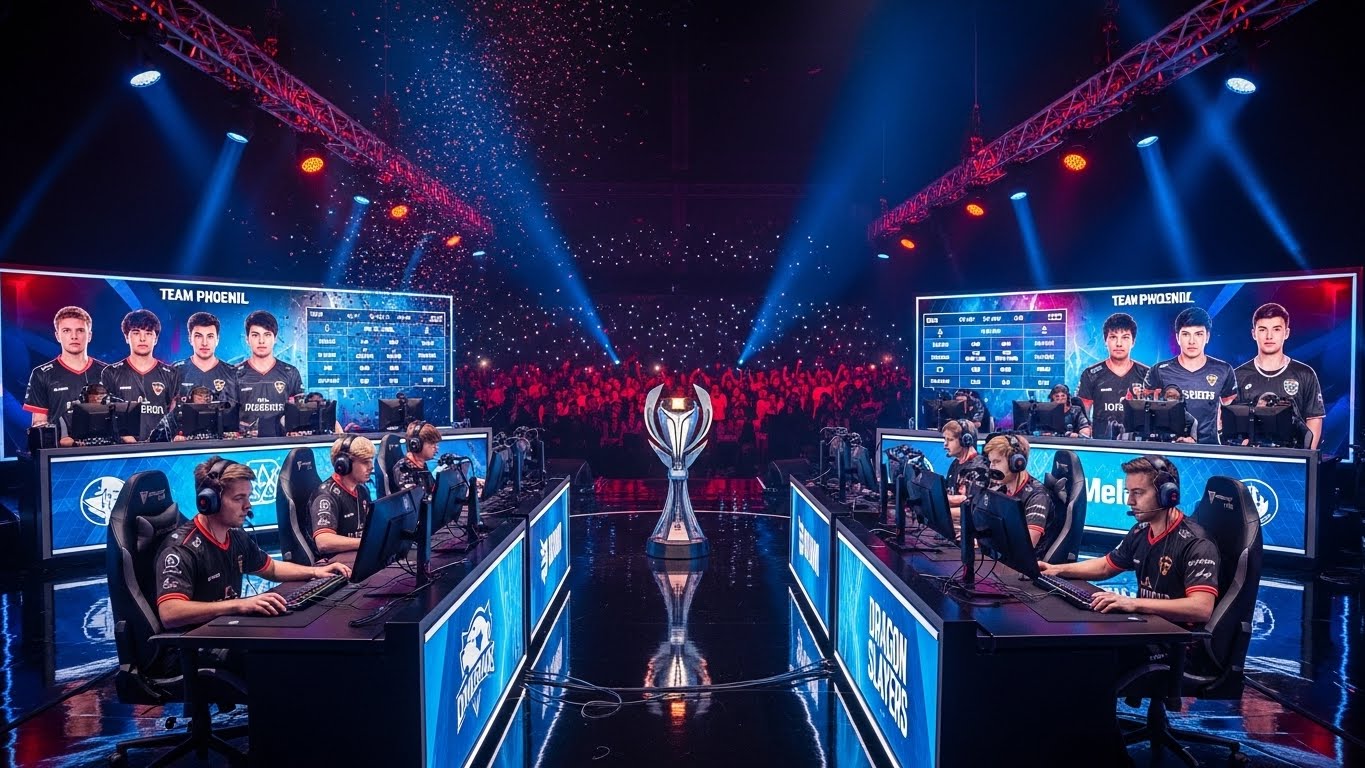
Introduction: The New Era of Competition
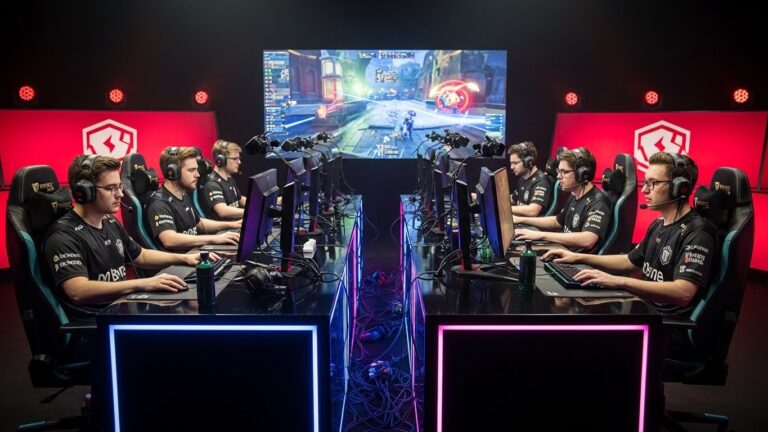
In the last two decades, the world has witnessed a seismic shift in the way people engage with games. What was once considered a casual pastime has now transformed into a multi-billion-dollar industry: esports. Competitive gaming, or esports, has evolved into a global spectacle where professional players compete for fame, fortune, and the love of millions of fans. With tournaments broadcast worldwide, teams signed by professional organizations, and sponsorship deals rivaling traditional sports, esports is no longer an underground activity. It has entered mainstream culture, challenging the conventional notions of what sports can be.
What is Esports?
Esports, short for electronic sports, refers to organized, multiplayer video game competitions, particularly between professional players. Unlike casual gaming, esports emphasizes strategy, skill, teamwork, and dedication. Popular games in esports span genres from first-person shooters like Counter-Strike and Valorant to multiplayer online battle arenas such as League of Legends and Dota 2. There are also fighting games, sports simulations, and card-based strategy games. The defining feature of esports is its structured competitive environment, complete with professional teams, leagues, and tournaments. The industry mirrors traditional sports in terms of structure, including sponsorship deals, media rights, and merchandise sales.
The Growth of the Esports Industry
Esports has experienced explosive growth over the past decade. Revenue streams now include advertising, ticket sales, sponsorships, merchandise, and digital content. Analysts project that the global esports market will surpass billions in value within the next few years. Part of this growth is fueled by the accessibility of streaming platforms, which allow fans to watch live competitions from anywhere in the world. Platforms such as Twitch, YouTube Gaming, and other streaming services have transformed how audiences engage with esports, providing real-time commentary, interactive chat features, and behind-the-scenes content. This accessibility has helped cultivate a dedicated fan base that rivals the following of traditional sports leagues.
Professional Players and Teams
Esports athletes are the cornerstone of this rapidly growing industry. Unlike casual gamers, professional players undergo rigorous training schedules, similar to athletes in traditional sports. Some dedicate eight to ten hours a day to practice, studying game mechanics, strategies, and opponent behaviors. Teams are often structured with coaches, analysts, and support staff, ensuring that players perform at their peak during competitions. Top-tier players can earn substantial salaries, with additional income from sponsorships, streaming revenue, and tournament winnings. The journey to becoming a professional esports player is challenging, requiring talent, perseverance, and an ability to perform under pressure.
Major Esports Tournaments
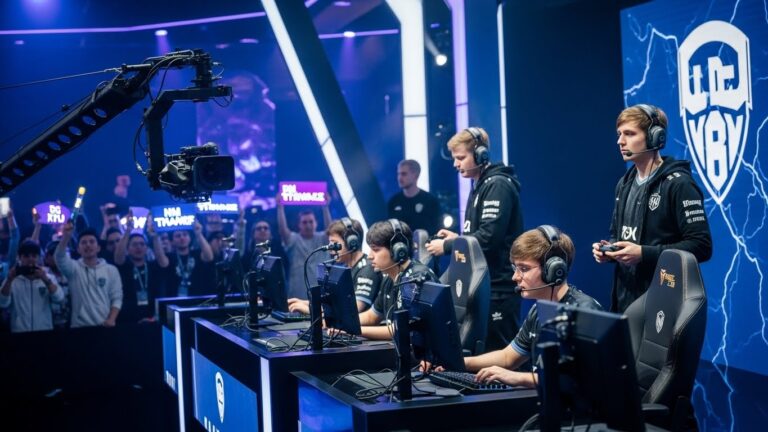
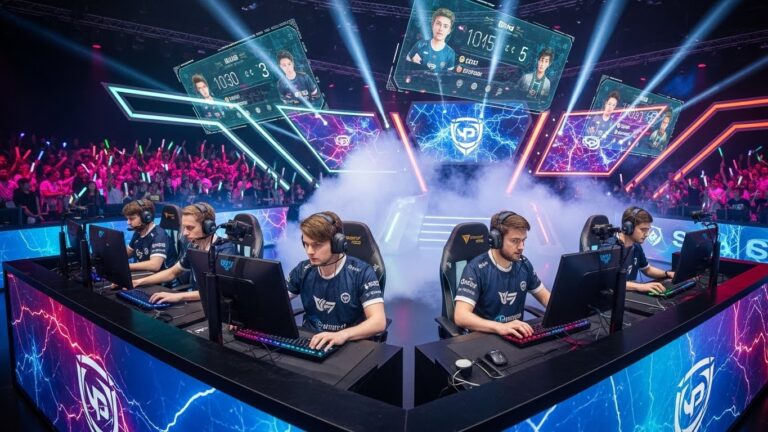
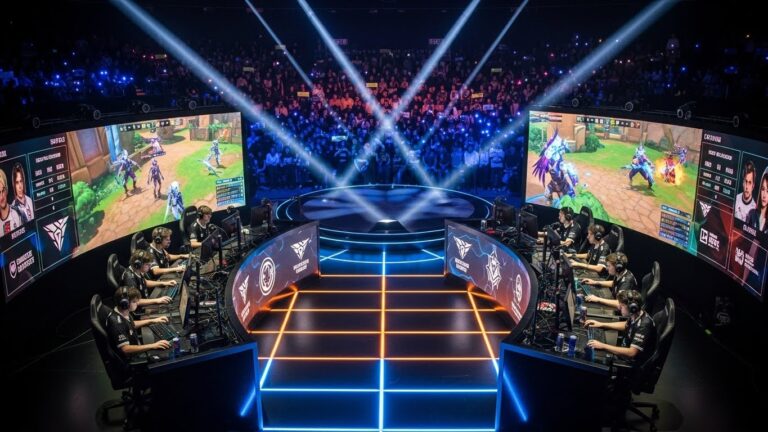
Tournaments serve as the heartbeat of esports, drawing massive audiences and offering significant prize pools. Events such as The International for Dota 2, the League of Legends World Championship, and the Fortnite World Cup have attracted millions of viewers globally. These tournaments are not just competitions; they are entertainment spectacles featuring high-quality production, live commentary, and fan engagement activities. Prize pools for some tournaments have reached tens of millions of dollars, highlighting the level of commitment and skill required to compete at the highest level. For players, winning a major tournament is not only a career milestone but also a stepping stone to global recognition.
Esports as a Career Path
In addition to professional players, esports offers diverse career opportunities in management, broadcasting, marketing, coaching, and content creation. Organizations employ individuals in roles ranging from team managers to social media strategists to event coordinators. Streaming and content creation have also emerged as viable careers, allowing players and enthusiasts to generate income by entertaining audiences and building personal brands. Universities and colleges have started recognizing esports as a legitimate career path, offering scholarships, dedicated programs, and even varsity teams. This institutional support is further legitimizing esports as a professional and sustainable career choice.
The Role of Technology
Technology is the backbone of esports. Advancements in gaming hardware, software, and internet infrastructure have made high-level competitive gaming possible. High-refresh-rate monitors, specialized gaming peripherals, and low-latency internet connections are now essential for professional play. Cloud gaming and digital platforms have expanded the reach of esports, allowing global audiences to participate in and follow competitions seamlessly. Artificial intelligence and analytics tools are increasingly used to study player performance, improve strategies, and enhance viewer experiences. Technology has not only elevated the level of competition but also transformed esports into an immersive and interactive entertainment medium.
The Global Impact of Esports
Esports is more than just a digital pastime; it has cultural, social, and economic implications worldwide. Countries like South Korea, China, and the United States have become hubs for esports activity, influencing how society perceives gaming. Esports events promote cultural exchange and provide opportunities for communities to come together. The industry has also sparked debates about the role of gaming in education, mental health, and youth development. Governments and organizations are beginning to recognize esports as an influential sector, incorporating it into tourism, entertainment, and even diplomatic initiatives. The global reach of esports is a testament to its transformative power in modern society.
Challenges Facing the Industry
Despite its growth, esports faces several challenges. One major issue is the perception of gaming as a legitimate sport. Critics argue that esports lacks physical exertion, while supporters emphasize the cognitive, strategic, and teamwork skills involved. Another challenge is player burnout. The intense schedules and pressure to perform can affect mental and physical health. Additionally, the industry faces regulatory and ethical concerns, such as fair play, anti-doping measures, and inclusivity. Organizations and governing bodies are actively addressing these issues, aiming to create a sustainable and safe environment for players and fans alike.
The Future of Esports
The future of esports appears promising and dynamic. Innovations in virtual reality, augmented reality, and immersive streaming technologies could redefine how fans experience competitions. Mobile esports is expanding rapidly, allowing players from regions with limited access to high-end gaming hardware to participate. Esports education and professional development programs are growing, nurturing the next generation of players and industry leaders. As traditional sports increasingly collaborate with esports, we may see hybrid events, cross-promotional strategies, and further mainstream acceptance. The trajectory of esports suggests it will continue to redefine entertainment, competition, and community in the digital age.
Conclusion: A Cultural Revolution
Esports is more than a game; it is a cultural revolution. It represents the convergence of technology, entertainment, and human skill. With millions of fans, lucrative tournaments, and professional athletes, esports has proven that competitive gaming deserves recognition alongside traditional sports. While challenges remain, the industry’s rapid growth and global impact signal a future where esports will continue to thrive, inspire, and captivate audiences around the world. From local gaming communities to international stadiums, esports has carved a place for itself as a defining phenomenon of the 21st century.
About the Author