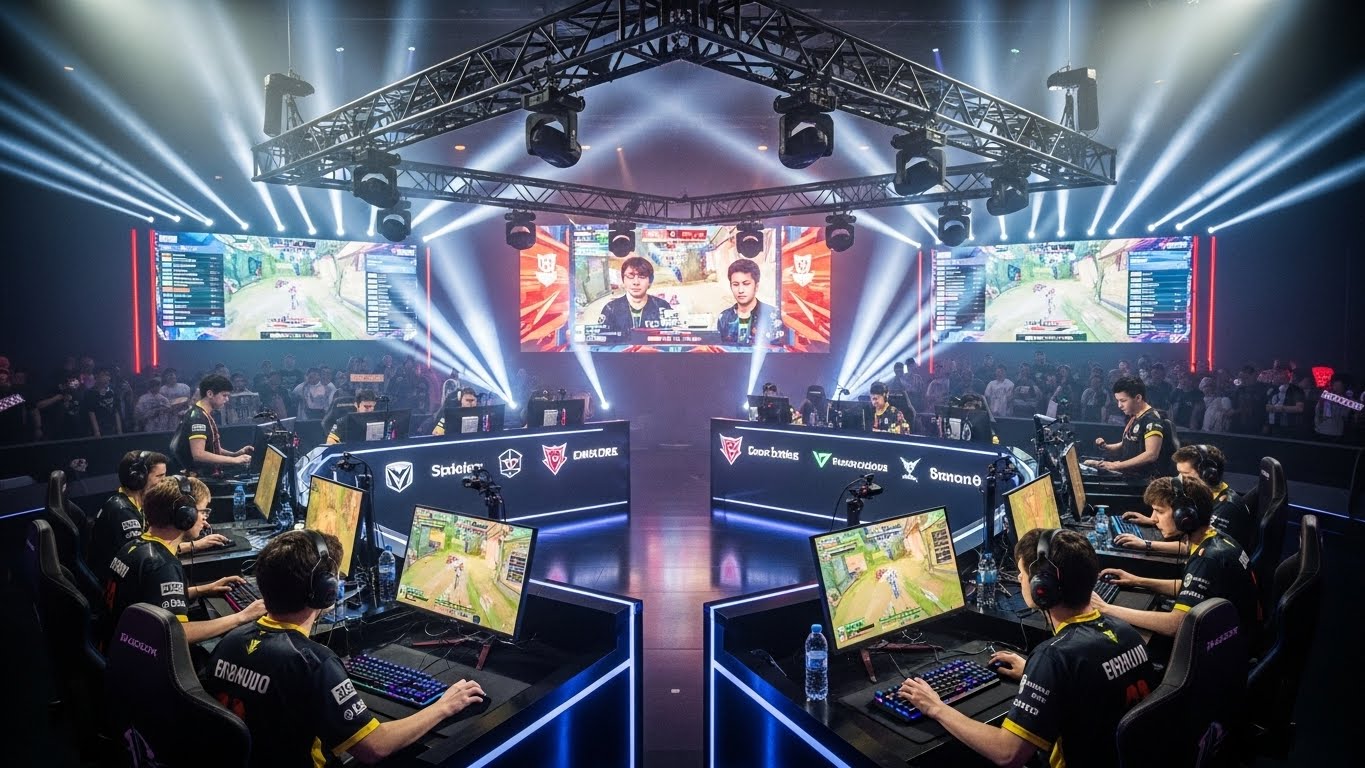
Introduction: The Rise of Esports in the Modern World
Esports, or electronic sports, has emerged as one of the fastest-growing phenomena in entertainment and competitive culture. What began as casual video gaming among friends has evolved into a global industry worth billions of dollars, attracting millions of players and fans worldwide. Esports transcends traditional gaming by combining skill, strategy, teamwork, and entertainment into a professionalized and highly engaging format.
Today, esports is recognized not only for its entertainment value but also for its cultural impact. It connects people across borders, inspires innovation in technology and media, and offers opportunities for personal growth, professional careers, and social interaction. Esports is more than a hobby—it is a transformative force in the digital age.
The Evolution of Competitive Gaming
Esports did not appear overnight. Its roots trace back to the 1980s and 1990s when arcade and console tournaments gained local popularity. Early competitions involved games like Space Invaders, Street Fighter, and Super Mario Bros., where players showcased skill, timing, and precision. These events laid the foundation for competitive gaming.
With the rise of online gaming in the late 1990s, titles like StarCraft, Counter-Strike, and Warcraft allowed players to compete globally, fostering the first international esports communities. Over time, leagues, tournaments, and sponsorships professionalized the landscape. Today, esports spans multiple genres, including real-time strategy, first-person shooters, multiplayer online battle arenas, and sports simulations, catering to diverse audiences worldwide.
The Competitive Intensity of Esports
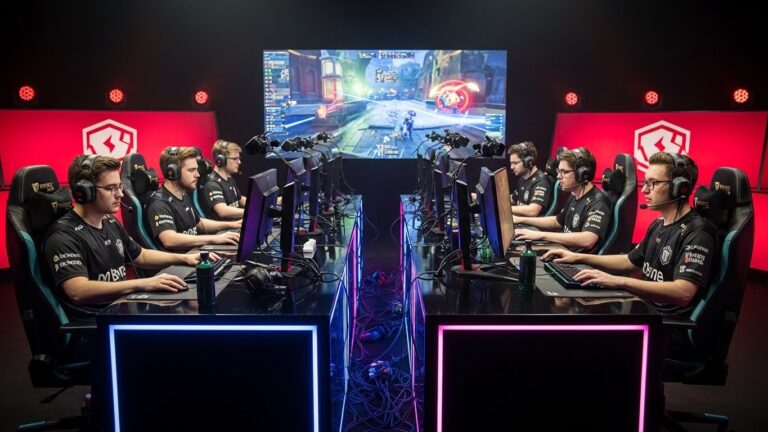
Esports requires a unique combination of physical dexterity and cognitive ability. Professional players undergo rigorous training to refine reflexes, precision, and decision-making under pressure. Unlike casual gaming, esports demands strategic thinking, adaptability, and teamwork.
Competitive matches are structured with leagues, rankings, and playoff systems similar to traditional sports. Players study opponents, devise tactics, and continuously practice to maintain peak performance. The intensity of esports highlights that it is not merely about entertainment—it is a disciplined, high-stakes competition where skill and preparation are paramount.
Esports as a Career
Esports has evolved into a legitimate career path. Professional players earn salaries, compete in sponsored tournaments, and gain recognition akin to traditional athletes. Beyond playing, careers exist in coaching, analysis, content creation, event management, and broadcasting.
Building a successful career in esports requires dedication, discipline, and professionalism. Players maintain rigorous practice schedules, analyze gameplay, and develop communication and leadership skills. For many young gamers, esports offers the unique opportunity to transform passion into a fulfilling profession.
The Role of Technology in Esports
Technology is central to esports’ growth. High-performance gaming computers, consoles, peripherals, and fast internet connections allow players to compete at elite levels. Advanced software enables accurate tracking of gameplay, analytics, and strategy development.
Spectators benefit from technology as well. Streaming platforms, live broadcasts, instant replays, and interactive overlays enhance viewing experiences, making esports engaging for audiences worldwide. Emerging technologies like virtual reality, augmented reality, and artificial intelligence are expected to further transform gameplay, training, and spectating in esports.
Cognitive and Mental Benefits
Esports enhances a wide range of cognitive skills. Players must process information quickly, anticipate opponents’ moves, multitask, and adapt to evolving scenarios. Strategy-heavy games improve problem-solving, decision-making, and planning abilities, while fast-paced games sharpen reflexes and hand-eye coordination.
Team-based games further develop social and cognitive skills. Players learn communication, collaboration, leadership, and conflict resolution while coordinating strategies in high-pressure environments. Mental resilience and focus are cultivated as players handle competition, setbacks, and high-stress situations, demonstrating that esports provides both intellectual and emotional growth.
Esports as a Social Platform
Esports fosters global communities and social interaction. Online competitions and multiplayer platforms allow players to connect with others worldwide, forming friendships, teams, and fan communities. Fans gather on streaming platforms and forums to discuss games, strategies, and achievements, creating vibrant social ecosystems.
Spectatorship plays a significant role in esports culture. Audiences follow professional teams, celebrate victories, and engage in shared experiences. Esports communities transcend geography, providing a sense of belonging and connection among people with shared interests and passions.
Entertainment Value of Esports
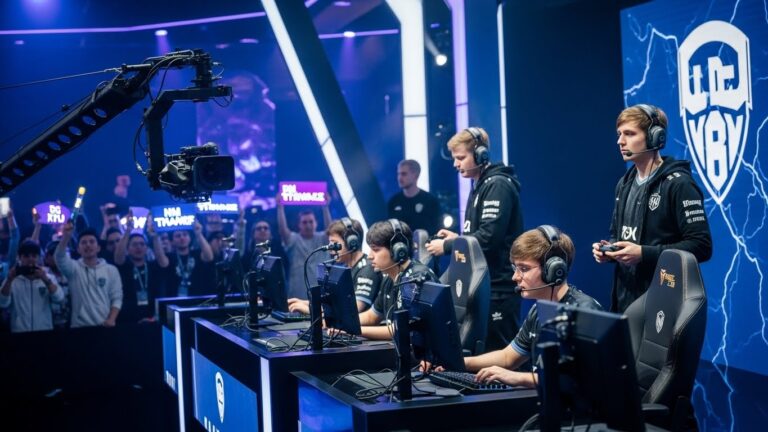
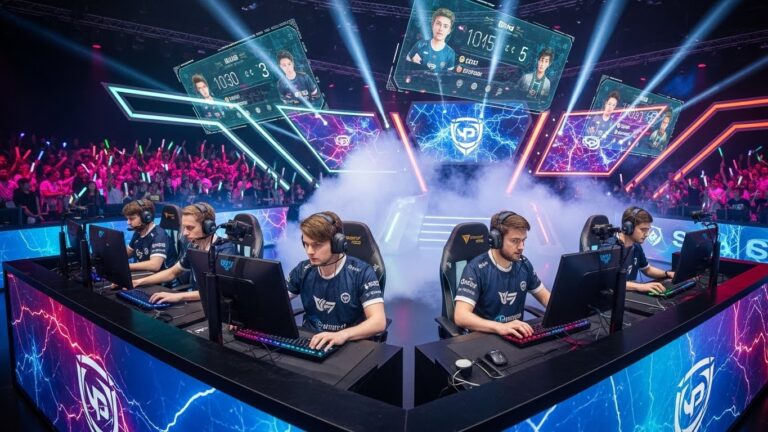
Esports is as much about entertainment as it is about competition. Live broadcasts, commentary, and dynamic camera angles create excitement and narrative engagement. Commentators provide analysis, storytelling, and humor that enhance the spectator experience, transforming matches into engaging events.
Streaming platforms allow players to interact with audiences in real time, offering gameplay demonstrations, tutorials, and personal insights. This combination of competitive skill and entertainment value has helped esports reach mainstream popularity, captivating millions of viewers and creating an entirely new form of interactive entertainment.
Inclusivity and Accessibility in Esports
Esports is more inclusive than many traditional sports. Success relies on skill, strategy, and reflexes rather than physical attributes, making competitive gaming accessible to a broader range of participants. Players of different genders, abilities, and backgrounds can compete equally in virtual arenas.
Efforts are underway to promote diversity and inclusion in esports. Initiatives supporting women, disabled players, and emerging talent are helping broaden participation and foster equality. Accessibility and inclusivity ensure that esports can be a platform for all individuals to showcase talent and engage with the community.
Mental Health Considerations in Esports
While esports offers numerous benefits, it also presents challenges for mental health. Intense competition, long practice hours, and high expectations can lead to stress, burnout, and anxiety. Maintaining balance between gaming, physical activity, and rest is essential.
Professional teams increasingly focus on mental wellness, providing coaching, counseling, and strategies to manage pressure. When approached responsibly, esports promotes resilience, focus, teamwork, and personal development, ensuring that the growth of the industry benefits both players and communities.
Global Impact of Esports
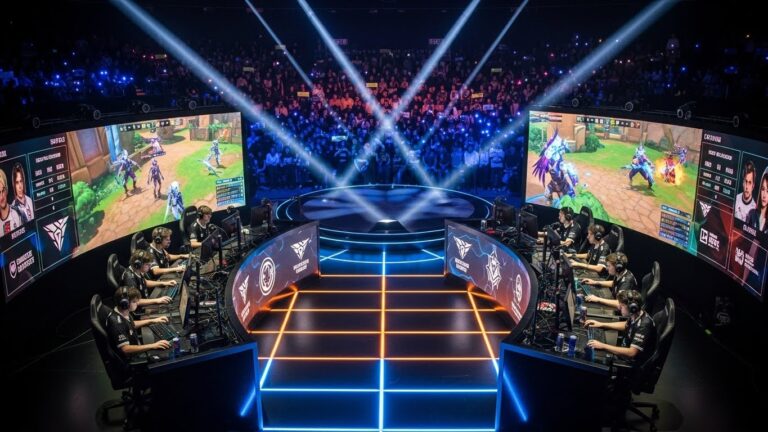
Esports has become a global phenomenon, influencing culture, entertainment, and economics. International tournaments bring players from different countries together, promoting cross-cultural understanding and collaboration. Fans worldwide engage with events in real time, creating a shared sense of excitement and community.
Economically, esports generates revenue through sponsorships, advertising, merchandise, and media rights. Universities and schools now offer esports programs and scholarships, recognizing competitive gaming as a legitimate avenue for education and career development. Esports’ global impact underscores its significance beyond mere entertainment.
The Future of Esports
The future of esports is poised for innovation and growth. Emerging technologies, including virtual reality, augmented reality, artificial intelligence, and cloud gaming, will enhance immersion, accessibility, and interactivity. Esports is expected to become even more integrated into mainstream entertainment, with new leagues, tournaments, and global competitions.
Inclusivity, diversity, and youth development programs will expand opportunities for participation. Esports will continue to provide platforms for skill development, creativity, and social engagement, shaping the cultural and competitive landscape for generations to come.
Conclusion: Esports as a Cultural and Competitive Force
Esports has transformed the perception of gaming, blending competition, entertainment, technology, and community into a dynamic and influential industry. It develops cognitive skills, fosters social connections, provides career opportunities, and captivates global audiences.
Beyond digital arenas, esports reflects broader cultural shifts, emphasizing inclusion, innovation, and the blending of sport with technology. It is not merely a pastime—it is a professional, social, and cultural phenomenon that continues to redefine the way people compete, connect, and experience interactive entertainment.
Esports represents the future of competitive gaming and entertainment. It empowers players, engages audiences, and creates global communities, proving that the digital age can cultivate skill, passion, and cultural impact on an unprecedented scale.
About the Author