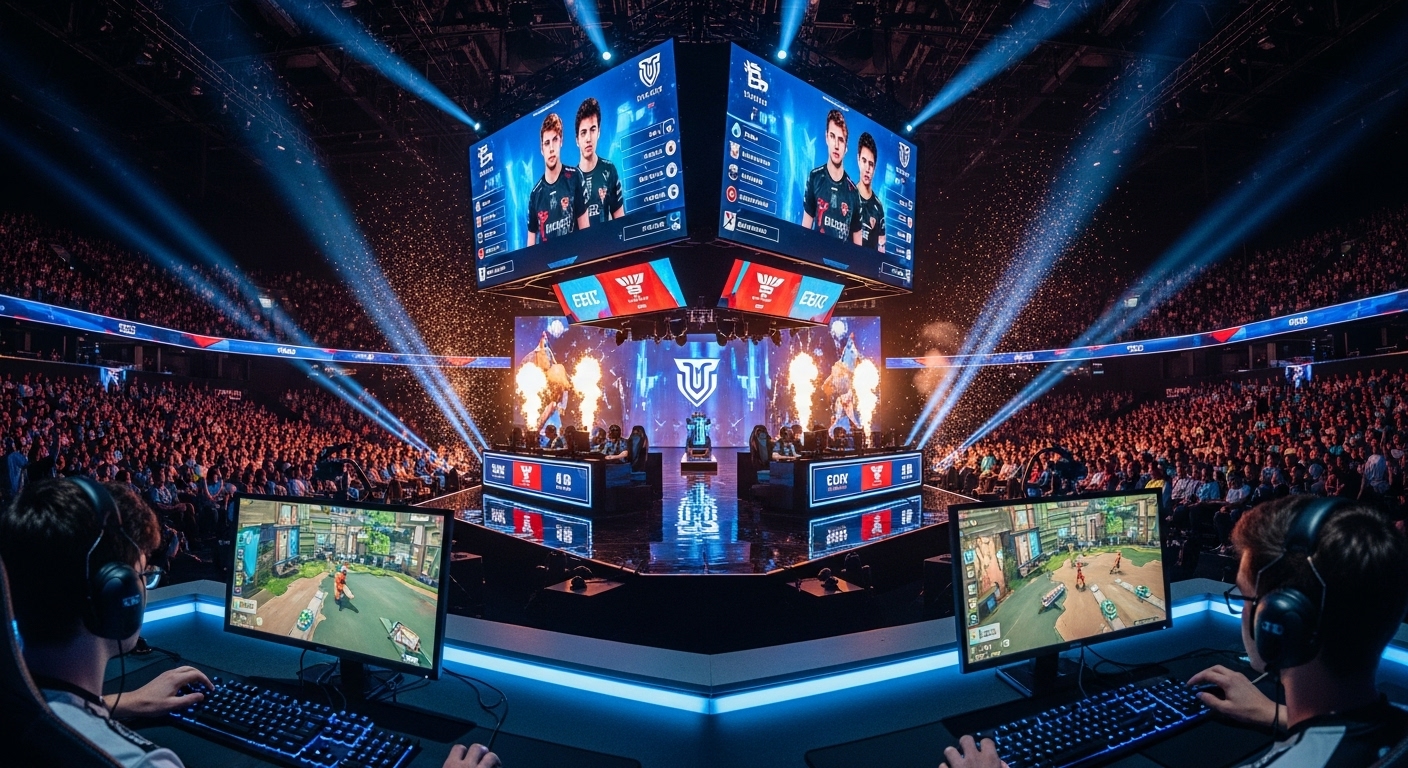
Introduction: The Dawn of a Digital Era
Esports, or competitive video gaming, has evolved from a niche hobby into a global phenomenon that captivates millions. Unlike traditional sports, esports exists entirely within digital worlds, yet it commands the same level of dedication, strategy, and passion. Players compete professionally, fans engage fervently, and the industry itself generates billions in revenue. Esports is not merely about entertainment; it represents a cultural revolution, redefining how people interact, compete, and experience achievement in the 21st century.
Understanding Esports: Beyond Casual Gaming
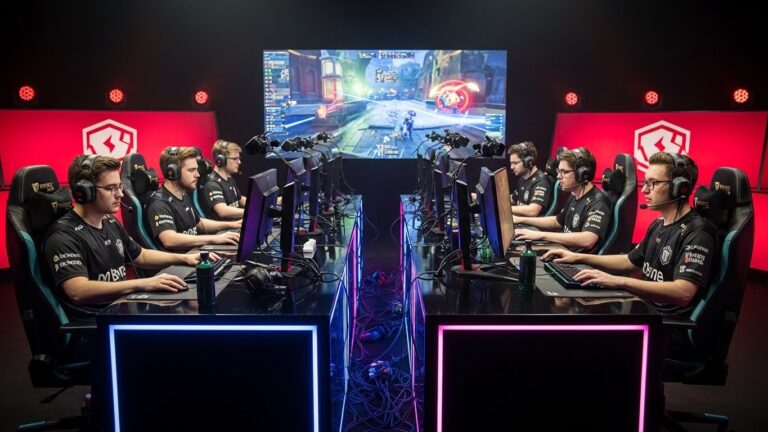
At its core, esports is competitive gaming at a professional level. While casual gaming is often seen as a pastime, esports requires intense focus, skill, and strategy. Players train for hours daily, analyzing opponents, practicing reflexes, and developing tactics. Games like League of Legends, Dota 2, Counter-Strike, Valorant, and Fortnite have created competitive ecosystems with leagues, tournaments, and international championships.
Professional esports athletes approach gaming with the same seriousness as traditional sports players. Their performance depends not only on individual skill but also on teamwork, communication, and strategic thinking. Success in esports demands mental agility, adaptability, and resilience.
The Life of an Esports Athlete
The journey of an esports player is rigorous. Daily routines often involve hours of gameplay practice, strategy meetings, physical exercise, and mental training. Physical fitness plays a surprisingly important role, enhancing reflexes, focus, and endurance during long competitions. Mental resilience is equally critical; players face high-pressure situations, intense rivalries, and constant public scrutiny.
Professional players also dedicate significant time to studying opponents’ strategies and reviewing game footage. This analytical approach ensures they are always prepared and capable of adapting mid-game. The life of an esports athlete requires dedication, discipline, and a commitment to continuous improvement.
Teamwork and Communication in Esports
Team-based games emphasize collaboration. Multiplayer online battle arenas and first-person shooters require players to coordinate actions, communicate effectively, and support teammates under intense pressure. Understanding the strengths and weaknesses of each team member is essential for success.
These skills extend beyond gaming. Individuals involved in team-based esports learn leadership, conflict resolution, and strategic thinking—skills that are valuable in professional and social contexts. Esports demonstrates that digital competition fosters collaboration, critical thinking, and interpersonal growth.
Esports as a Social Phenomenon
One of the most remarkable aspects of esports is its social dimension. Online platforms enable players to connect globally, fostering diverse and inclusive communities. Fans participate in live streams, tournaments, and online forums, creating a shared culture of enthusiasm, discussion, and camaraderie.
Esports also provides a sense of identity and belonging. Players and fans alike rally around teams and personalities, forming bonds that transcend physical distance. The communal aspect of esports transforms what might be solitary gameplay into a shared cultural experience.
Educational Value of Esports
Esports contributes to skill development and education in unique ways. Strategic thinking, quick decision-making, time management, and teamwork are essential for success. Recognizing this, many schools and universities offer esports programs, scholarships, and courses focused on gaming careers.
Students involved in esports learn valuable life skills, including problem-solving, leadership, and adaptability. They also gain technological literacy, as competitive gaming often requires familiarity with hardware, software, and online platforms. Esports is not just a hobby; it is a training ground for skills relevant in education, technology, and business.
The Economics of Esports
Esports has become a multi-billion-dollar industry. Professional tournaments attract millions of viewers, generating revenue through sponsorships, advertising, merchandise, and broadcasting. Major competitions, such as The International for Dota 2 or the League of Legends World Championship, feature prize pools in the millions of dollars, reflecting the seriousness and global reach of esports.
Beyond professional play, esports impacts local economies. Gaming cafes, training centers, equipment retailers, and event organizers all benefit from the esports ecosystem. Cities hosting international tournaments experience economic boosts through tourism, hospitality, and related industries. The economic influence of esports underscores its status as a major force in modern entertainment.
Technology and Innovation in Esports
Technology is the backbone of esports. High-performance computers, gaming peripherals, streaming platforms, and analytical software enable professional competition and fan engagement. Innovations in virtual reality, augmented reality, and artificial intelligence continue to push the boundaries of what esports can offer.
Analytics tools allow teams to track performance, optimize strategies, and identify strengths and weaknesses. Streaming platforms make esports accessible to global audiences, offering live matches, commentary, and interactive experiences. Technology ensures that esports is not only competitive but also immersive, inclusive, and continually evolving.
Entertainment Value and Fan Engagement
Esports has transformed the concept of digital entertainment. Fans watch live matches, follow favorite players, and engage in communities around games. The narratives of rivalry, teamwork, and triumph create compelling entertainment, rivaling traditional sports in excitement and fan loyalty.
Streaming platforms and social media amplify engagement, allowing fans to interact with players, discuss strategies, and participate in virtual events. This level of interactivity distinguishes esports from other forms of entertainment, making it dynamic, participatory, and culturally significant.
Challenges in Esports: Mental Health and Well-Being
While esports offers numerous benefits, it also presents unique challenges. The intense competition, long practice hours, and public scrutiny can lead to stress, fatigue, and burnout. Mental health support is increasingly recognized as critical in professional esports, with teams providing counseling, rest periods, and wellness programs.
Maintaining a balance between gaming, education, work, and social life is essential. Successful esports players develop routines that prioritize physical activity, nutrition, mental rest, and social interaction to sustain long-term performance and well-being.
Cultural Impact of Esports
Esports has profoundly influenced global culture. It has popularized gaming as a mainstream activity, inspired digital content creation, and created a new type of celebrity. Professional players and streamers have become influential figures, shaping trends, fashion, and entertainment.
The cultural impact of esports extends to inclusivity and diversity. Success is determined by skill, strategy, and teamwork, rather than age, gender, or physical ability. This fosters an environment where talent is the primary measure of achievement, challenging traditional stereotypes about gaming and competition.
Major Esports Events and Their Significance
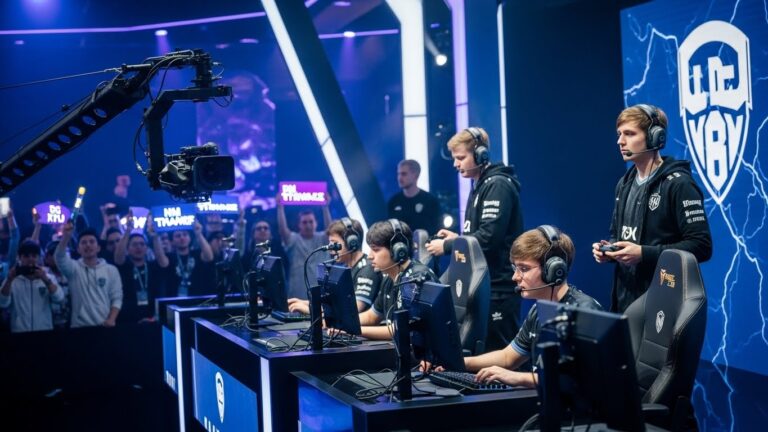
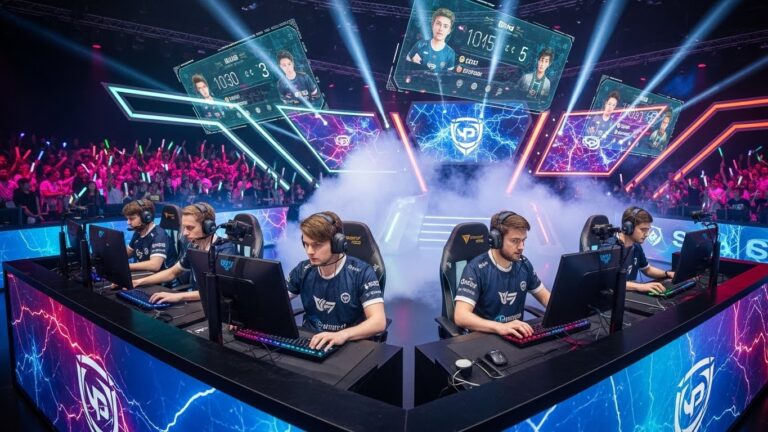
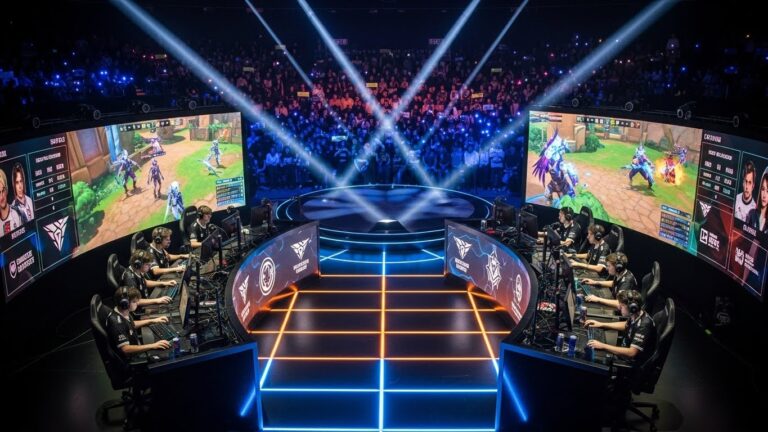
Tournaments are the pinnacle of esports competition. Events like the Fortnite World Cup, Overwatch League Finals, and Call of Duty League offer not only high-stakes competition but also a sense of community and celebration. These events attract massive audiences, both in person and online, creating shared cultural experiences.
Fans experience the excitement, drama, and camaraderie of esports through live events and broadcasts. Tournaments highlight the dedication and skill of professional players, inspiring aspiring gamers and reinforcing esports as a legitimate, competitive arena.
The Future of Esports
The future of esports is bright and transformative. As technology advances, esports will become more immersive, accessible, and interactive. Virtual reality, cloud gaming, and artificial intelligence will redefine gameplay and audience experiences.
Global investment in esports is growing, with more educational institutions, corporations, and media platforms recognizing its potential. Opportunities for professional players, content creators, and entrepreneurs will continue to expand, solidifying esports as a major cultural and economic force.
Conclusion: Esports as a Cultural Revolution
Esports is more than competitive gaming; it is a cultural and technological revolution. It challenges traditional notions of sports, creates global communities, and fosters personal growth and skill development. Esports promotes strategic thinking, teamwork, resilience, and creativity, while offering entertainment, social engagement, and economic opportunities.
Whether as a player, fan, or industry professional, involvement in esports provides lessons in discipline, perseverance, and collaboration. The rise of esports demonstrates the power of digital platforms to unite people, celebrate talent, and redefine competition. In the modern world, esports is not merely a game—it is a reflection of human ingenuity, dedication, and cultural evolution.
About the Author