Introduction
Esports, or electronic sports, has evolved from small gatherings of competitive gamers to a global phenomenon watched by millions worldwide. It has transformed how we view competition, community, and entertainment, creating a new industry that rivals traditional sports in scale, influence, and cultural relevance. Today, esports is not just about playing games—it is about strategy, teamwork, skill, and the ability to perform under pressure. It has become a career path, a social platform, and a source of inspiration for countless fans. Understanding esports is key to understanding how gaming has shaped modern entertainment and culture.
The Rise of Esports
Esports started as grassroots competitions in arcades and small gaming tournaments. Early games like StarCraft, Counter-Strike, and Warcraft set the stage for professional play, where players could demonstrate skill, strategy, and quick thinking. With the advent of high-speed internet and streaming platforms, these competitions quickly moved online, attracting larger audiences and fostering global communities.
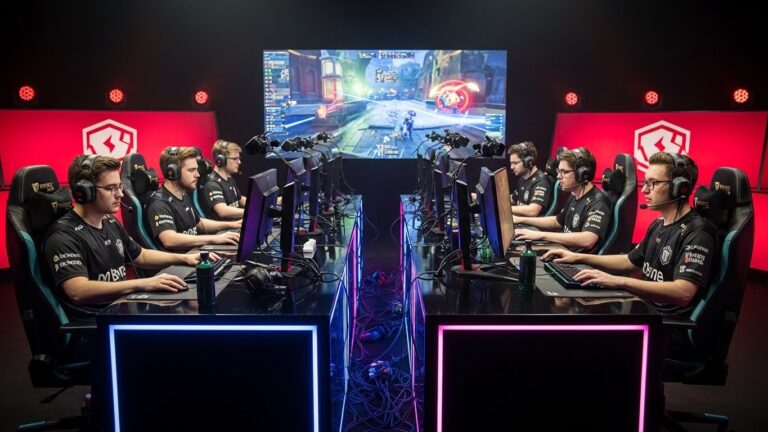
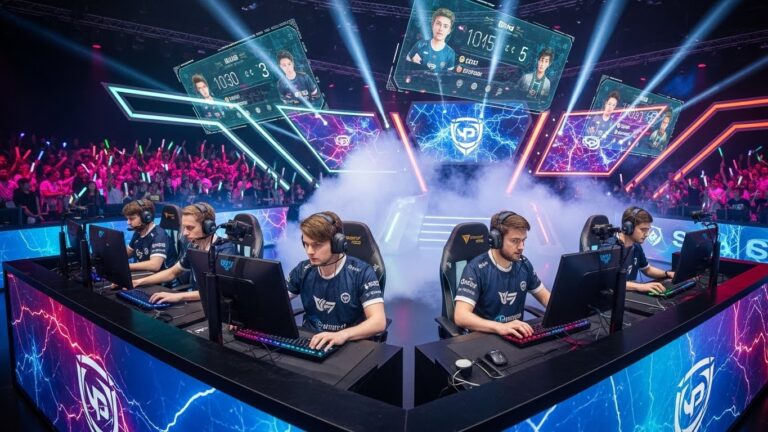
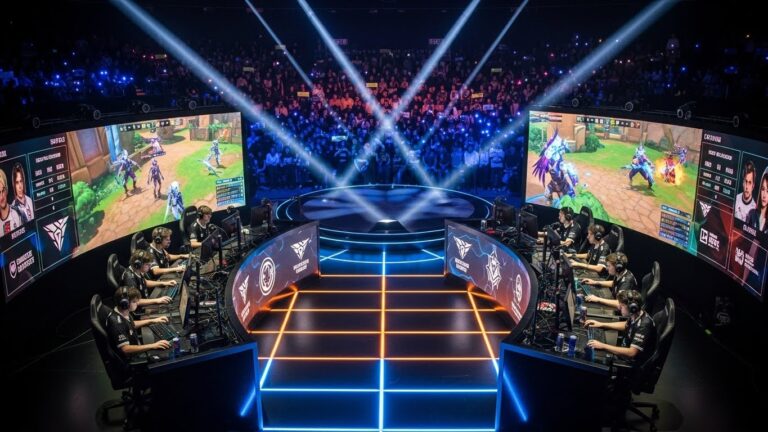
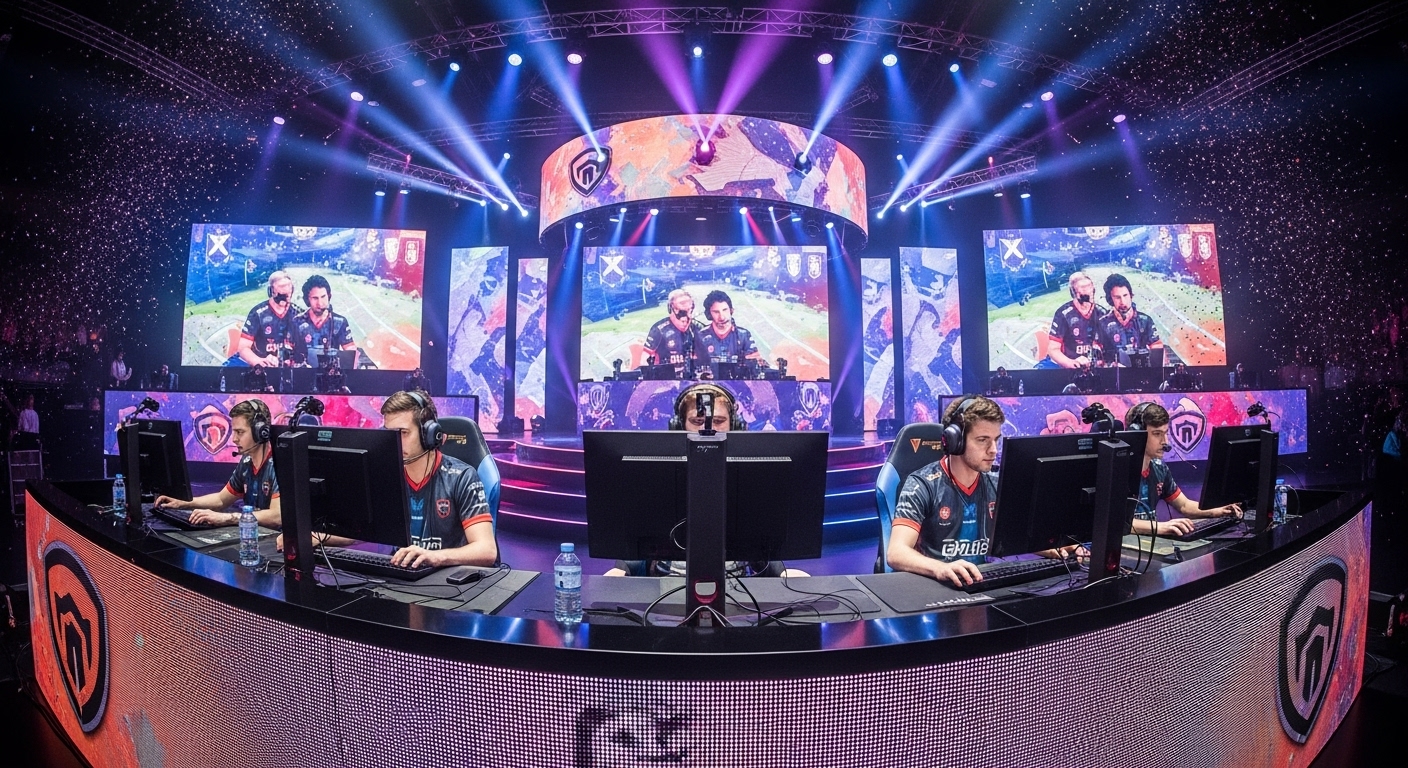
Today, esports tournaments are held in stadiums, broadcast to millions of viewers, and sponsored by major brands. Games like League of Legends, Dota 2, Fortnite, and Call of Duty have become household names, creating professional leagues and international championships that mirror the structure and prestige of traditional sports leagues.
Competitive Gaming: Skill and Strategy
Esports is not just about fast reflexes; it requires deep strategy, teamwork, and mental endurance. Players must learn maps, understand character abilities, anticipate opponents’ moves, and communicate effectively with teammates. Success is the result of hours of practice, study, and collaboration.
Different genres of esports demand unique skills. First-person shooters emphasize precision and split-second decision-making. Multiplayer online battle arenas focus on strategic planning and resource management. Fighting games require timing, reflexes, and psychological insight into opponents’ behavior. Across all genres, esports challenges both the mind and the body, combining physical dexterity with cognitive sharpness.
The Professionalization of Esports
Professional esports players are the athletes of the digital age. They train rigorously, often following schedules similar to traditional sports teams. Professional teams hire coaches, analysts, and nutritionists to ensure peak performance. Players participate in national and international leagues, compete for large prize pools, and build personal brands that attract sponsorships and endorsements.
The professionalization of esports has legitimized gaming as a career path. Universities now offer esports scholarships, and many organizations provide structured pathways for aspiring players. The industry supports not only players but also commentators, content creators, event organizers, and analysts, creating a robust ecosystem of professional opportunities.
Esports as a Spectator Experience
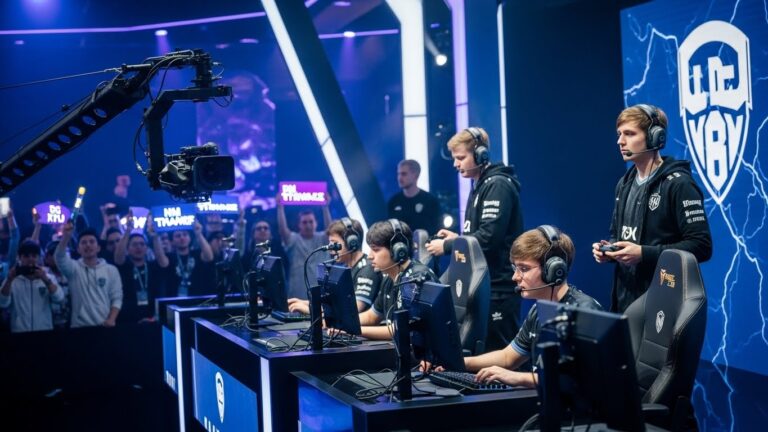
Spectating is an essential part of esports culture. Millions of fans watch live streams, tournaments, and highlight reels, either online or in packed arenas. Platforms like Twitch and YouTube have revolutionized how audiences engage with games, allowing viewers to interact with players, follow tournaments in real-time, and participate in fan communities.
The spectator experience is enhanced by professional commentary, high-quality production, and interactive features. Just as fans analyze plays in traditional sports, esports audiences dissect strategies, predict outcomes, and celebrate standout performances. The energy of esports spectatorship is a shared experience that fosters community and excitement across digital and physical spaces.
The Role of Streaming and Content Creation
Streaming has played a critical role in the growth of esports. Platforms allow players to broadcast their gameplay to global audiences, offering both entertainment and education. Viewers learn strategies, watch professionals perform, and engage with personalities that build lasting fan loyalty.
Content creation extends beyond streaming. Esports organizations produce behind-the-scenes content, interviews, tutorials, and highlight reels. Social media amplifies these efforts, creating a culture where fans feel connected to players, teams, and tournaments. This synergy between gameplay, content, and community has driven the rapid expansion of esports into mainstream culture.
Economic Impact of Esports
Esports has grown into a multi-billion-dollar industry. Revenue streams include sponsorships, advertising, merchandise, ticket sales, media rights, and in-game purchases. Major brands recognize the marketing potential of esports, targeting engaged audiences with unique campaigns and partnerships.
The economic impact extends beyond professional play. Game development, event management, content creation, and technology solutions all benefit from the growth of esports. The industry has generated jobs and entrepreneurial opportunities, contributing to the global economy while reshaping how entertainment and competition intersect.
Esports and Community Building
At its core, esports is about community. Fans, players, and creators connect over shared passions, forming global networks that transcend geography, language, and culture. Online forums, social media groups, and live events create spaces where people can exchange ideas, celebrate victories, and discuss strategies.
Community support also drives innovation. Feedback from players and fans influences game development, tournament formats, and broadcast presentation. The interactive nature of esports ensures that audiences are not passive consumers but active participants in shaping the culture and direction of competitive gaming.
The Psychological and Cognitive Benefits of Esports
Playing esports can improve cognitive abilities such as problem-solving, strategic thinking, and multitasking. Many games require rapid decision-making, pattern recognition, and adaptation to dynamic environments, skills that translate to real-world situations.
Esports also fosters resilience and emotional intelligence. Players learn to handle pressure, accept losses, and adapt strategies, building mental fortitude. Team-based games encourage communication, collaboration, and conflict resolution, highlighting how esports can cultivate personal growth and social skills alongside entertainment.
Esports and Education
Esports is increasingly recognized for its educational potential. Schools and universities now offer esports programs that teach teamwork, leadership, digital literacy, and strategic thinking. Scholarships for esports players provide pathways for higher education while pursuing competitive gaming careers.
Educational institutions also use esports to engage students in technology, game design, and media production. Students gain hands-on experience in tournament organization, broadcasting, and content creation, preparing them for careers in the growing esports industry. This intersection of gaming and education demonstrates how esports can be both fun and developmental.
Diversity and Inclusion in Esports
Esports has the potential to be a more inclusive and diverse form of competition than traditional sports. Players from different backgrounds, genders, and cultures can compete on an equal playing field. Initiatives promoting gender equality, accessibility, and anti-toxicity aim to make esports welcoming to everyone.
Diversity in esports enriches the competitive and creative environment. Different perspectives influence strategies, playstyles, and content creation, ensuring that the industry reflects the global audience it serves. Inclusive practices help build sustainable communities where all players and fans feel valued.
Challenges Facing Esports
Despite its rapid growth, esports faces several challenges. Player burnout, online harassment, and toxic community behavior remain significant concerns. Professional players often endure intense schedules, pressure to perform, and the mental strain of public scrutiny.
The industry must also address regulation, ethical sponsorship, and fair competition. Ensuring integrity in tournaments, preventing cheating, and promoting healthy online communities are essential for the long-term credibility and sustainability of esports.
The Future of Esports
The future of esports is bright, with technology, global connectivity, and creativity driving continued expansion. Virtual reality, augmented reality, and artificial intelligence will create more immersive and personalized experiences. Cross-platform play, mobile esports, and innovative tournament formats will make competitive gaming even more accessible and engaging.
Esports is likely to further blur the lines between entertainment, education, and professional competition. As the industry matures, it will continue to inspire, challenge, and connect millions of people worldwide, redefining what it means to compete, perform, and belong in the digital age.
Conclusion
Esports has emerged as a revolutionary force, transforming gaming into a global phenomenon that blends competition, entertainment, and community. It has created professional careers, inspired technological innovation, and cultivated cultural connections across the world. Beyond skill and strategy, esports fosters teamwork, resilience, and creativity, demonstrating that competitive gaming is more than a pastime—it is a reflection of human ingenuity and collaboration.
As esports continues to evolve, it will shape the future of entertainment, redefine professional competition, and inspire generations of players and fans. It is a testament to the power of play, the allure of challenge, and the universal appeal of shared experiences. In the world of esports, the game is never just about winning; it is about pushing boundaries, connecting communities, and celebrating the joy of competition.
About the Author