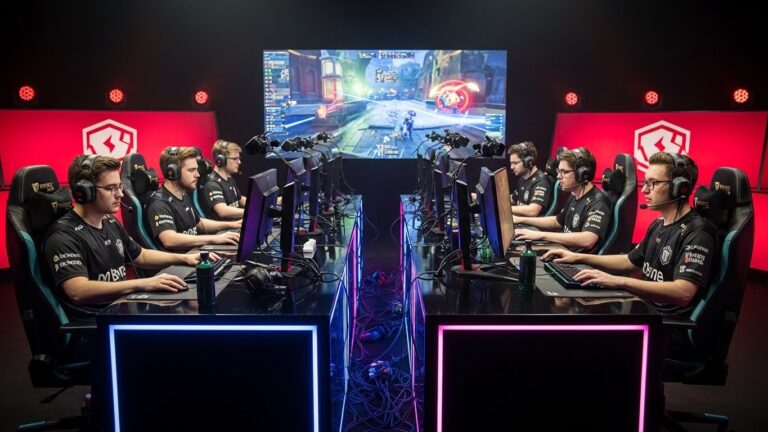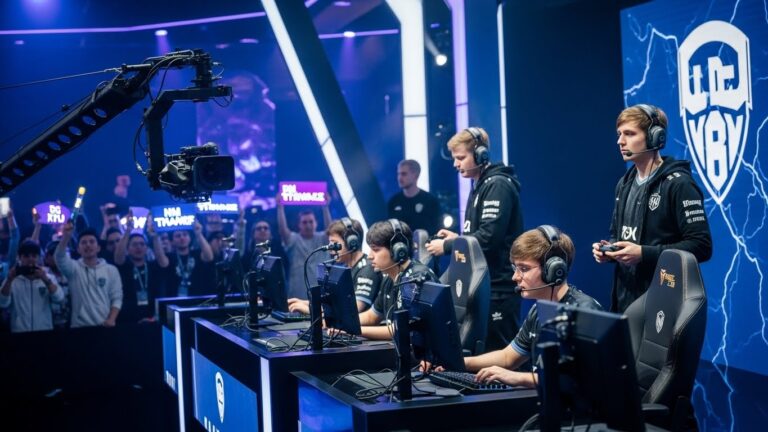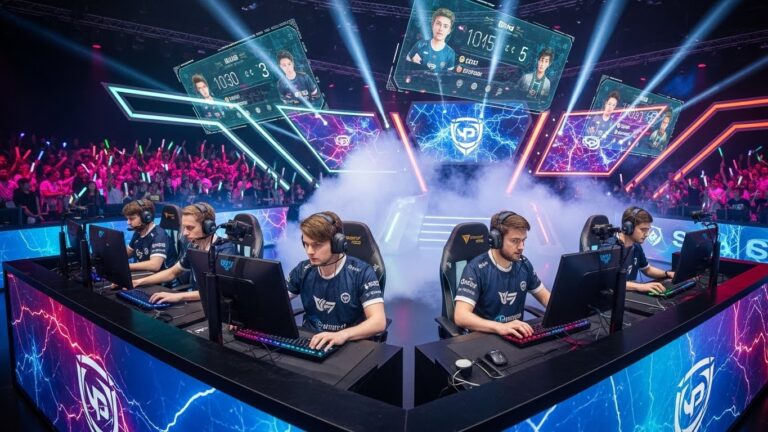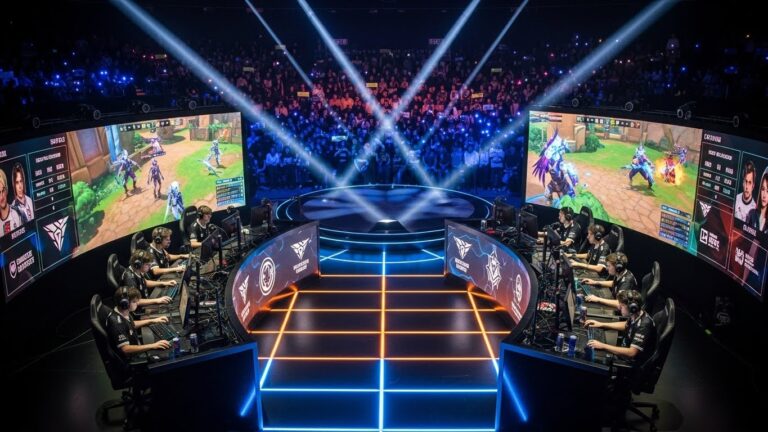
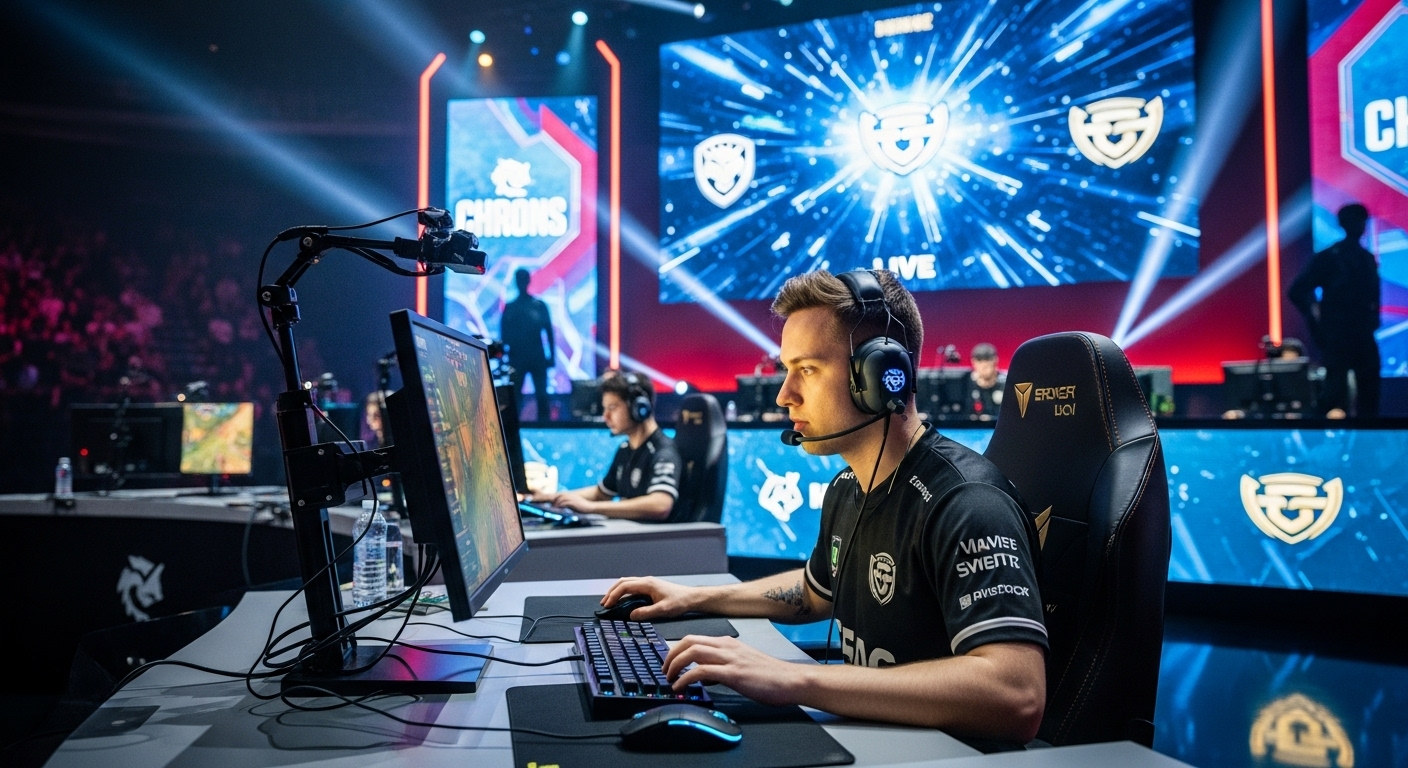
Esports, or electronic sports, has transformed the world of gaming into a global phenomenon. What began as a niche hobby for a few passionate gamers has evolved into a multi-billion-dollar industry that draws millions of spectators, players, and sponsors. Esports blends the excitement of traditional sports with the accessibility and innovation of technology, creating a new arena for competition and entertainment. It is no longer merely about playing games; it is about strategy, teamwork, skill, and the thrill of live competition.
The Origins of Esports
The roots of esports trace back to the early 1970s and 1980s when arcade competitions and early video game tournaments first appeared. Games like Pong and Space Invaders were the starting point for competitive gaming, drawing small communities of players eager to showcase their skills. By the 1990s, PC gaming rose in popularity with titles such as StarCraft, Quake, and Counter-Strike serving as the foundation for organized tournaments.
As gaming communities grew online, multiplayer competitions flourished. The rise of the internet allowed players from different countries to compete in real time, turning local tournaments into global events. Early esports competitions were modest, often organized by enthusiasts, but they laid the groundwork for what would become a professional industry.
The Professionalization of Esports
The 2000s marked a turning point for esports, as the industry began to professionalize. Organizations formed teams, sponsors entered the market, and tournaments offered significant prize money. Esports leagues started to mimic traditional sports structures, with seasons, rankings, and championship events.
Games like League of Legends, Dota 2, and Overwatch became flagship titles for competitive gaming. Professional players were no longer just hobbyists; they became athletes, dedicating hours of training each day to perfect their skills. Teams developed coaches, analysts, and support staff, further professionalizing the field. Esports was evolving into a serious career path, attracting not only players but also investors, advertisers, and broadcasters.
Global Popularity and Fan Engagement
One of the most remarkable aspects of esports is its global appeal. Unlike traditional sports, esports does not rely on physical proximity or infrastructure. Competitions can be held online or in arenas, with fans watching live streams from anywhere in the world. Platforms like Twitch, YouTube Gaming, and other streaming services have turned esports into a spectator sport, drawing audiences in the millions.
Fans are deeply engaged with the games, teams, and players. They interact with live streams, participate in online discussions, and follow tournaments as intensely as they would follow football or basketball. Fan culture in esports includes merchandise, social media engagement, and even cosplay, creating a community that blurs the line between player and audience. This level of interaction is unique to esports and is a key factor in its rapid growth.
Major Esports Titles and Their Impact
Certain games have played pivotal roles in shaping esports. League of Legends and Dota 2 brought team-based strategy to the forefront, emphasizing coordination and tactical skill. First-person shooters like Counter-Strike: Global Offensive and Call of Duty focus on reflexes, precision, and teamwork. Battle royale titles such as Fortnite introduced massive, high-stakes competitions with millions of viewers tuning in to watch live events.
Each game contributes to the ecosystem by creating opportunities for players, teams, and tournament organizers. The diversity of titles ensures that esports appeals to a broad audience, catering to different playstyles and interests. The evolution of these games continues to push boundaries in competitive gameplay, storytelling, and fan engagement.
Esports as a Career
Esports offers career opportunities far beyond playing games. Professional players earn income through tournament winnings, sponsorships, streaming, and coaching. Top-tier players can command salaries comparable to traditional sports athletes, and successful streamers or content creators can generate significant revenue through advertising and subscriptions.
Beyond playing, esports careers include team management, event organization, content creation, marketing, broadcasting, and analytics. Universities and educational institutions have begun offering courses and scholarships focused on esports, recognizing it as a legitimate profession. For those passionate about gaming, esports presents an opportunity to turn a hobby into a rewarding and sustainable career.
Training and Dedication
Despite the perception that esports is “just playing games,” professional players undergo rigorous training. They dedicate 8 to 12 hours a day practicing strategies, perfecting mechanics, and analyzing opponents. Physical fitness and mental health are increasingly emphasized, as stamina and focus are crucial for high-level performance.
Teams employ coaches, analysts, and psychologists to optimize performance. Training regimens include reaction drills, tactical analysis, teamwork exercises, and stress management. This level of dedication mirrors traditional sports, dispelling the myth that competitive gaming is effortless or casual.
Esports Events and Tournaments
Esports tournaments have grown in scale and sophistication, rivaling traditional sports in production quality. Events like The International, League of Legends World Championship, and Fortnite World Cup attract hundreds of thousands of viewers online and tens of thousands in live arenas. Prize pools for major tournaments can reach millions of dollars, offering players significant financial incentives.
These events are not only competitions but also entertainment spectacles. Professional production, live commentary, and fan interactions create an immersive experience for audiences. Esports has become a form of live entertainment that combines skill, strategy, and showmanship, appealing to both hardcore fans and casual viewers.
The Role of Streaming and Social Media
Streaming platforms have been crucial to esports’ rise. Twitch, YouTube Gaming, and similar platforms allow players to broadcast their gameplay in real time, reaching global audiences. Fans can watch, learn strategies, interact with players, and feel part of the community.
Social media amplifies engagement by creating direct connections between players and fans. Platforms like Instagram, TikTok, and Twitter allow players to share content, announce events, and showcase personalities beyond the game. This digital interaction has made esports more accessible and personal, giving fans a closer connection to their favorite teams and players.
Esports and Technology
Esports relies heavily on cutting-edge technology. High-performance computers, gaming consoles, fast internet connections, and advanced software are essential for competitive play. Virtual reality, augmented reality, and AI-driven analytics are increasingly integrated into training and gameplay.
Technology also enables global competitions. Online matchmaking, streaming, and cloud infrastructure allow players from different continents to compete seamlessly. The technological backbone of esports ensures fairness, reliability, and an immersive experience for both players and audiences.
Esports and the Economy
Esports has become a significant economic force. The industry generates billions of dollars annually through tournament revenues, sponsorships, merchandising, advertising, and media rights. Cities are investing in esports arenas and hosting international events, recognizing the economic and cultural impact.
Esports also creates job opportunities beyond players, including roles in marketing, event management, broadcasting, game development, and analytics. The industry’s rapid growth has attracted investments from venture capitalists, traditional sports teams, and global brands, solidifying esports as a key player in the entertainment economy.
The Social and Cultural Impact of Esports
Esports has changed perceptions of gaming and entertainment. It challenges stereotypes, showing that gaming requires skill, strategy, and teamwork. Competitive gaming has also fostered global communities, connecting players and fans across cultures, languages, and continents.
Esports promotes inclusivity by offering opportunities for players regardless of physical ability, age, or location. Online platforms allow anyone with talent and dedication to compete on a global stage. This democratization of competition is one of esports’ most significant contributions to modern culture.
Challenges Facing Esports
Despite its growth, esports faces challenges. Mental health issues, burnout, and performance pressure are common among professional players. Cybersecurity, cheating, and online harassment are also significant concerns in competitive environments.
Additionally, the rapid pace of technological and game development can leave some players and organizations struggling to adapt. Sustainability of careers and the balance between entertainment and physical and mental health are ongoing issues. The industry must address these challenges to ensure long-term growth and integrity.
The Future of Esports
The future of esports is bright and full of potential. Technological innovations such as virtual reality, augmented reality, and AI will redefine competition and training. Esports may become more integrated into mainstream media, with global tournaments broadcast alongside traditional sports.
Esports education will expand, with schools and universities preparing students for careers in competitive gaming, management, and content creation. As recognition continues to grow, esports may even become an Olympic-level competition, representing skill, strategy, and global collaboration.
Conclusion: Esports as the Next Generation of Sports
Esports is more than a pastime; it is a cultural, economic, and technological phenomenon. It transforms gaming into a spectator sport, fosters global communities, and provides new career opportunities. With professionalization, fan engagement, and technological advancement, esports is redefining what competition means in the digital age.
As esports continues to grow, it demonstrates that the future of entertainment and sports lies in innovation, inclusivity, and connectivity. It is a testament to human creativity and adaptability, proving that the thrill of competition transcends traditional arenas. Esports is not just the future of gaming — it is the future of how we connect, compete, and celebrate skill in the modern world.
About the Author