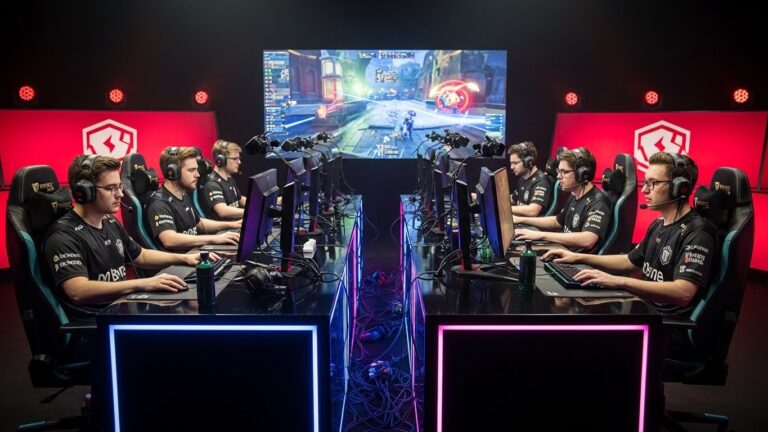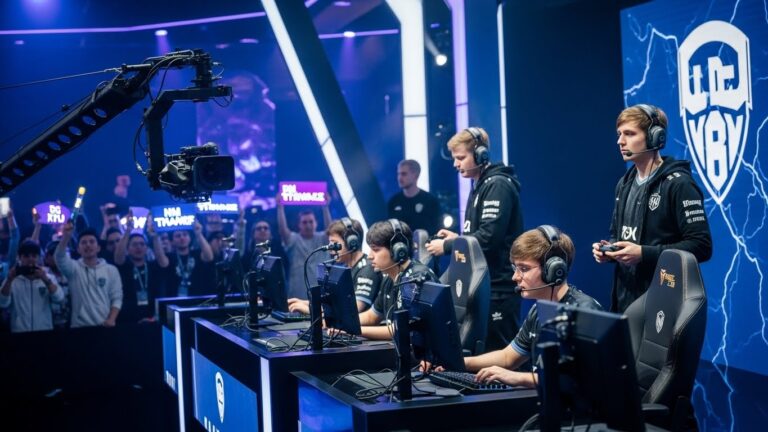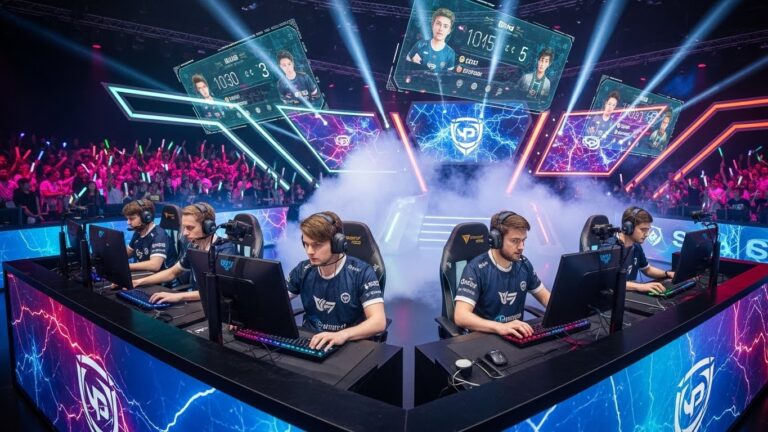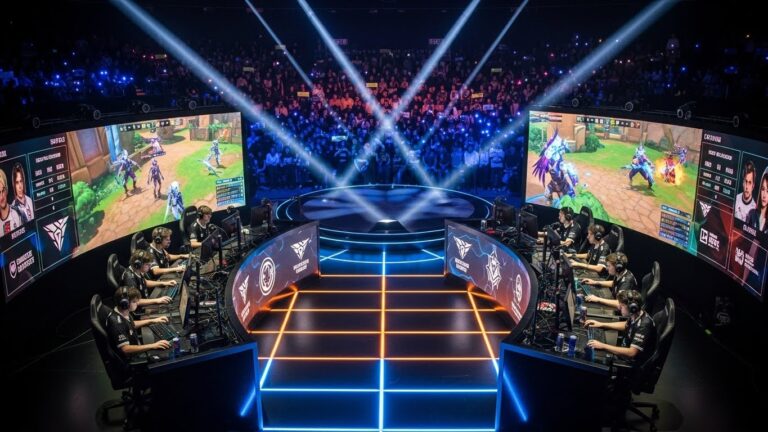
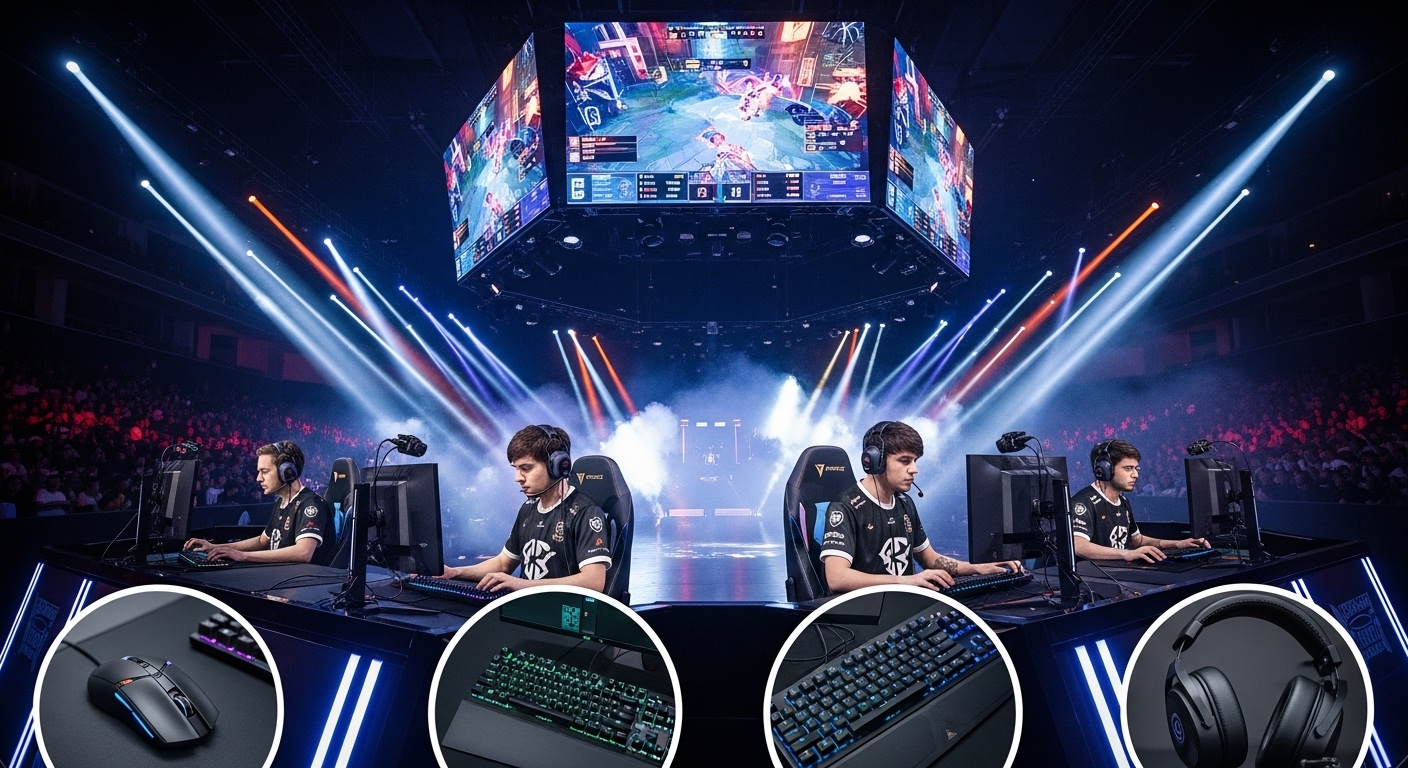
The world of esports has exploded in popularity over the last two decades, transforming from a niche hobby into a multi-billion-dollar industry that attracts millions of viewers and players worldwide. What was once seen as a pastime for a select few has now become a global phenomenon, with top-level players achieving celebrity status and games like League of Legends, Fortnite, and Counter-Strike dominating the competitive gaming scene. This blog post explores the evolution of esports, the growth of its global influence, and the diverse aspects of competitive gaming that have made it such an important part of modern culture.
The Origins of Esports: From Arcade Games to Online Competitions
Esports as we know it today can trace its roots back to the 1970s and 1980s when competitive gaming began to take shape. In those early days, arcade games like Space Invaders and Pong provided the foundation for what would later become organized tournaments and leagues. These games were simple in nature but captivated players and laid the groundwork for future competitive gaming experiences.
The 1990s saw the rise of more sophisticated gaming systems and multiplayer online games, which were crucial in the development of esports. One of the most significant milestones in this era was the launch of Doom and Quake by id Software. These first-person shooter games allowed players to engage in online multiplayer matches, setting the stage for competitive tournaments that would follow. Games like Warcraft and StarCraft also contributed to the early development of esports, particularly in South Korea, where the genre gained immense popularity.
By the late 1990s and early 2000s, online gaming had become a mainstream activity. Platforms like Battle.net, developed by Blizzard Entertainment, allowed players from around the world to compete against each other in real time. The concept of online tournaments began to gain traction, and gaming events started to be organized more formally. In 2000, the first World Cyber Games (WCG) was held, an event that would go on to become one of the most prestigious esports competitions globally.
The Growth of Esports in the 2000s: The Emergence of Professional Leagues
The 2000s marked a critical turning point for the esports industry. The early part of the decade saw the formation of professional gaming leagues and tournaments that would go on to shape the competitive gaming landscape. South Korea played a pivotal role in this development, particularly with the rise of StarCraft as a national obsession. The Korean StarCraft league became a model for future esports events and helped establish South Korea as the hub of esports for much of the 2000s.
The formation of professional esports leagues like the Major League Gaming (MLG) in North America and the Electronic Sports World Cup (ESWC) in Europe provided players with the opportunity to compete at the highest levels for prize money and global recognition. The prize pools for these tournaments began to grow exponentially, with top players being sponsored by major companies and brands. The professionalization of esports helped bring legitimacy to competitive gaming, which had once been seen as a fringe activity.
One of the defining characteristics of esports during this time was its deep connection with the gaming community. Gamers would often stream their matches and commentary on platforms like Twitch, which launched in 2011. Twitch would go on to become the central hub for esports content, where fans could watch live streams of tournaments, engage with their favorite players, and even participate in the conversation surrounding their favorite games. This fan-driven aspect of esports helped foster a sense of community that has continued to thrive today.
The Explosion of Esports in the 2010s: From Niche to Mainstream
The 2010s saw a dramatic rise in the popularity of esports, turning it into a mainstream entertainment phenomenon. Games like League of Legends and Dota 2 became household names, and competitive gaming was no longer just a hobby for hardcore gamers. It became a legitimate career path for top players, analysts, casters, coaches, and organizers.
The Influence of Major Titles:
By the mid-2010s, several games had become the dominant titles in esports. League of Legends (LoL), developed by Riot Games, quickly became the most popular competitive game in the world, with its annual World Championship attracting millions of viewers. The game’s accessible yet deep mechanics made it appealing to both casual and hardcore players, and the strategic nature of the game provided an engaging viewing experience for fans. The 2014 LoL World Championship set the stage for future esports events, with the finals held at the Seoul World Cup Stadium in South Korea, drawing over 40 million viewers globally.
Similarly, Dota 2, developed by Valve, became a mainstay in the esports scene, thanks to its annual event, The International. This tournament not only boasted one of the largest prize pools in esports history but also became an iconic event, drawing massive crowds and streaming audiences. The growth of these games was indicative of a larger trend: esports had transcended its origins as a niche hobby and had become a global entertainment industry.
Professionalization and Corporate Involvement:
During this period, esports underwent a significant professionalization process. Established companies like Coca-Cola, Intel, and Red Bull began to sponsor major tournaments and teams, bringing esports into the realm of big business. Professional esports organizations, such as Cloud9, Team Liquid, and Fnatic, began to sign high-profile players, offering them salaries, benefits, and opportunities to compete at international events. Players, in turn, could make a living from their esports careers, with top-tier players earning substantial incomes from prize money, sponsorships, and streaming.
The development of esports infrastructure also took off in the 2010s. Purpose-built arenas, such as the LCS Arena in Los Angeles and the ESL One in Germany, became commonplace for major events. These venues allowed fans to watch tournaments in person, adding to the excitement and sense of community. Furthermore, live streaming platforms like Twitch and YouTube became essential tools for fans to watch esports from the comfort of their own homes.
Esports Today: A Billion-Dollar Industry
As we move into the 2020s, esports has firmly established itself as one of the most lucrative and influential sectors of the entertainment industry. With a global audience reaching over 500 million people, esports is on track to become one of the most popular forms of entertainment in the world, rivalling traditional sports like football, basketball, and baseball.
The Growth of Esports Teams and Leagues:
Esports organizations continue to grow in prominence, with major companies investing in esports teams and leagues. The Overwatch League (OWL) and Call of Duty League (CDL), both launched by Activision Blizzard, have taken esports into the realm of traditional sports-style leagues, complete with team owners, media rights deals, and even city-based franchises. These leagues mirror the structure of major professional sports leagues and help normalize esports as a mainstream activity.
The rise of online streaming platforms such as Twitch, YouTube Gaming, and Facebook Gaming has further solidified the importance of esports in the entertainment industry. Streaming platforms now offer a combination of live tournament broadcasts, individual player streams, and content creation, all of which contribute to the global esports ecosystem.
A Diverse and Inclusive Community:
Esports has also become increasingly diverse, with players from all around the world participating in international competitions. Games like Fortnite have brought in a younger, more diverse audience, while Valorant has attracted players from various gaming backgrounds. Female players have also begun to make their mark in competitive gaming, with organizations like Team Dignitas creating all-female teams and promoting inclusivity within the esports space.
Moreover, the evolution of esports has led to the rise of other professions associated with competitive gaming, including coaching, analysis, journalism, and broadcasting. Players can now find support staff that help them improve their gameplay, while analysts and casters provide detailed commentary that enhances the viewing experience for fans.
Esports in the Cultural Spotlight:
The cultural impact of esports is undeniable. Tournaments like League of Legends Worlds and The International are broadcast on major sports networks, and esports athletes have started appearing in mainstream media. The integration of esports into the Olympics and the development of collegiate esports programs further cements its status as a major global phenomenon.
Esports has become a cultural touchstone for a new generation, inspiring everything from fashion trends to music festivals. The influence of esports is felt not only in gaming communities but across broader segments of pop culture. As competitive gaming continues to grow, it’s clear that esports is here to stay and will only become more prominent in the years to come.
Conclusion: The Future of Esports
The future of esports is bright. With an ever-growing audience, increasing corporate investment, and a global fanbase, esports shows no signs of slowing down. The rise of virtual and augmented reality gaming, coupled with advancements in technology, will likely open up even more opportunities for innovation within the industry.
As more people from different walks of life discover the excitement and camaraderie that esports offers, the competitive gaming landscape will continue to evolve. What started as a niche hobby has become a global industry, and the potential for growth in esports is limitless.
Esports is not just a trend – it’s a cultural revolution that has reshaped the way we think about gaming, competition, and entertainment. And as the world of competitive gaming continues to grow, it will undoubtedly leave an indelible mark on the world of sports and entertainment for generations to come.
About the Author