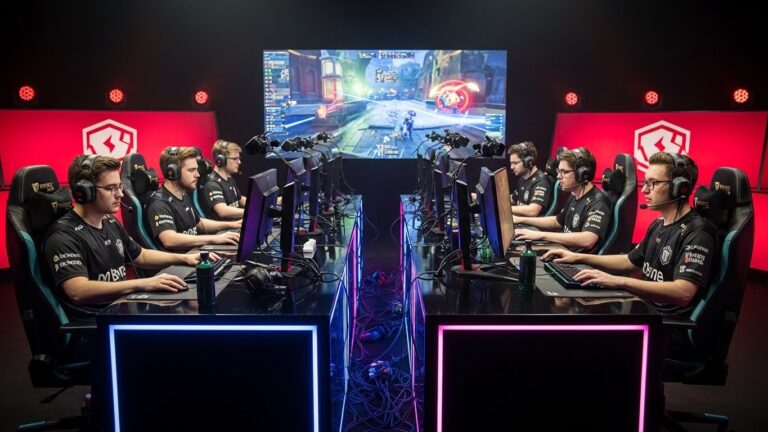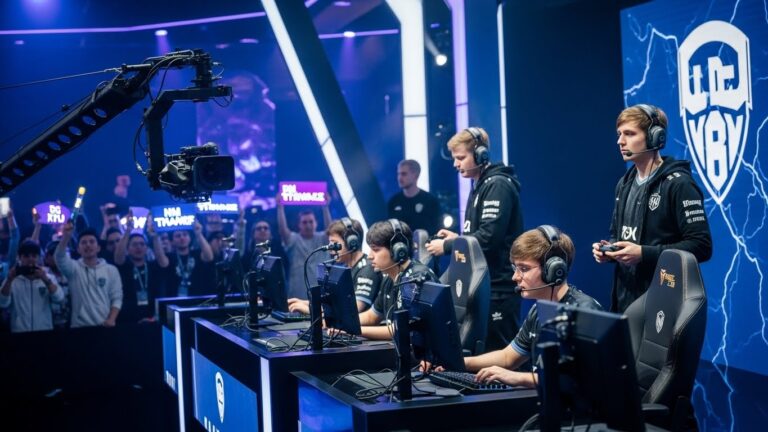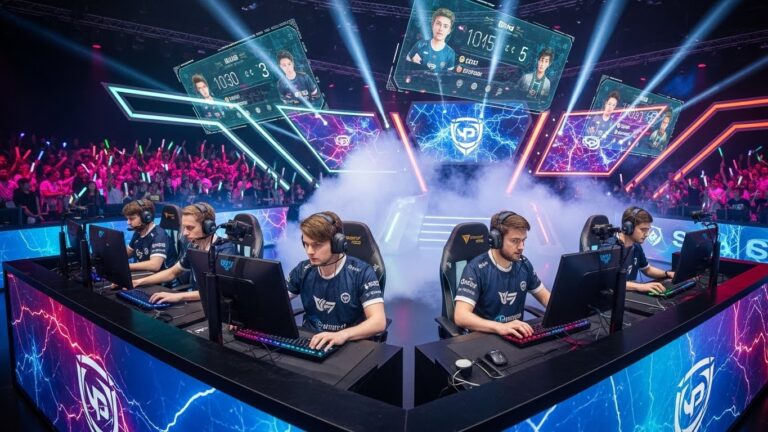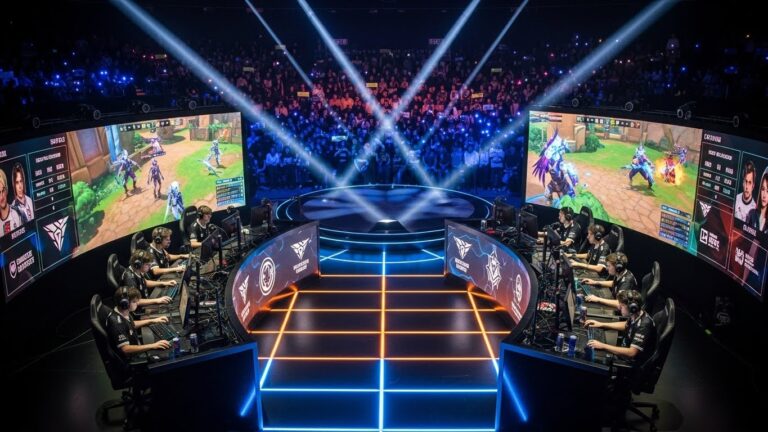
Esports, short for electronic sports, has transformed from a niche hobby into a worldwide cultural and economic powerhouse. What once began as casual competitive gaming among friends has evolved into a multi-billion-dollar industry attracting millions of players, spectators, and sponsors across the globe. The growth of esports is a fascinating story of technological evolution, cultural change, and the power of community.
The Early Days of Competitive Gaming
The roots of esports trace back to the late 1970s and early 1980s when video games began gaining popularity. Early competitions were simple, often held in arcades or at college campuses, where high-score contests attracted local gamers. One of the earliest known tournaments was the 1980 Space Invaders Championship in the United States, which drew thousands of participants. While primitive by today’s standards, these competitions laid the groundwork for the concept of organized video game tournaments.
As gaming consoles like the Atari and Nintendo Entertainment System became household staples in the 1980s and 1990s, competitive gaming slowly grew beyond the arcade scene. Multiplayer games, both on consoles and PCs, allowed players to test their skills against friends and strangers alike. Titles such as Street Fighter II, Mortal Kombat, and later StarCraft began to define competitive gaming communities. These games were more than entertainment; they were arenas where strategy, precision, and reflexes determined who was the best.
The Evolution of Esports as an Industry
The 2000s marked a turning point for esports, with the rise of the internet enabling competitive gaming to expand beyond local communities. Online multiplayer games like Counter-Strike, Warcraft III, and later League of Legends became major catalysts for the growth of esports. Players could now connect globally, forming teams, competing in tournaments, and building fan followings. This era also saw the emergence of esports organizations, professional teams, and sponsorships, giving competitive gaming a more structured framework.
The rise of streaming platforms further fueled the industry. Platforms such as Twitch provided gamers a space to broadcast their matches to millions of viewers, transforming esports into a spectator sport. This shift not only increased the visibility of professional gamers but also attracted investors and sponsors eager to tap into a new demographic of tech-savvy, highly engaged fans. Today, the esports industry generates billions of dollars annually, encompassing tournaments, merchandise, sponsorships, media rights, and advertising.
Popular Esports Titles and Their Impact
Different games have shaped esports in unique ways. Multiplayer online battle arenas, first popularized by titles like Dota and League of Legends, have created some of the largest competitive communities in the world. These games emphasize teamwork, strategy, and quick decision-making, making them ideal for spectators. The annual League of Legends World Championship, for instance, draws millions of viewers worldwide and features prize pools that rival traditional sports.
First-person shooters have also played a significant role in esports. Games like Counter-Strike: Global Offensive and Call of Duty attract highly skilled players and passionate fans. The intensity of these games, combined with their fast-paced action, makes them thrilling to watch, whether live or online. Similarly, battle royale games such as Fortnite have redefined esports by blending competitive gameplay with entertainment, creating events that are as much about spectacle as skill.
Fighting games, such as Street Fighter and Super Smash Bros., continue to maintain a loyal following in the esports community. These games highlight individual skill and reflexes, providing a more personal and intense competitive experience. Sports simulation games like FIFA and NBA 2K also bridge the gap between traditional sports and esports, appealing to fans who enjoy both the digital and real-life versions of the games.
The Role of Esports Organizations and Teams
Professional esports teams are central to the ecosystem. Much like traditional sports, these teams recruit players, provide training facilities, and develop strategies to dominate competitions. Some organizations have expanded globally, creating training centers, offering coaching, and even providing health and wellness support for their players. The professionalization of esports has raised the stakes and elevated the credibility of competitive gaming as a legitimate career path.
Esports organizations also play a key role in branding and sponsorships. Companies from various industries, including tech, energy drinks, apparel, and even automotive, invest in esports teams to reach younger, digitally native audiences. These partnerships have helped fund large-scale tournaments, increase prize pools, and create more content for fans, further solidifying the industry’s growth.
Tournaments and Global Events
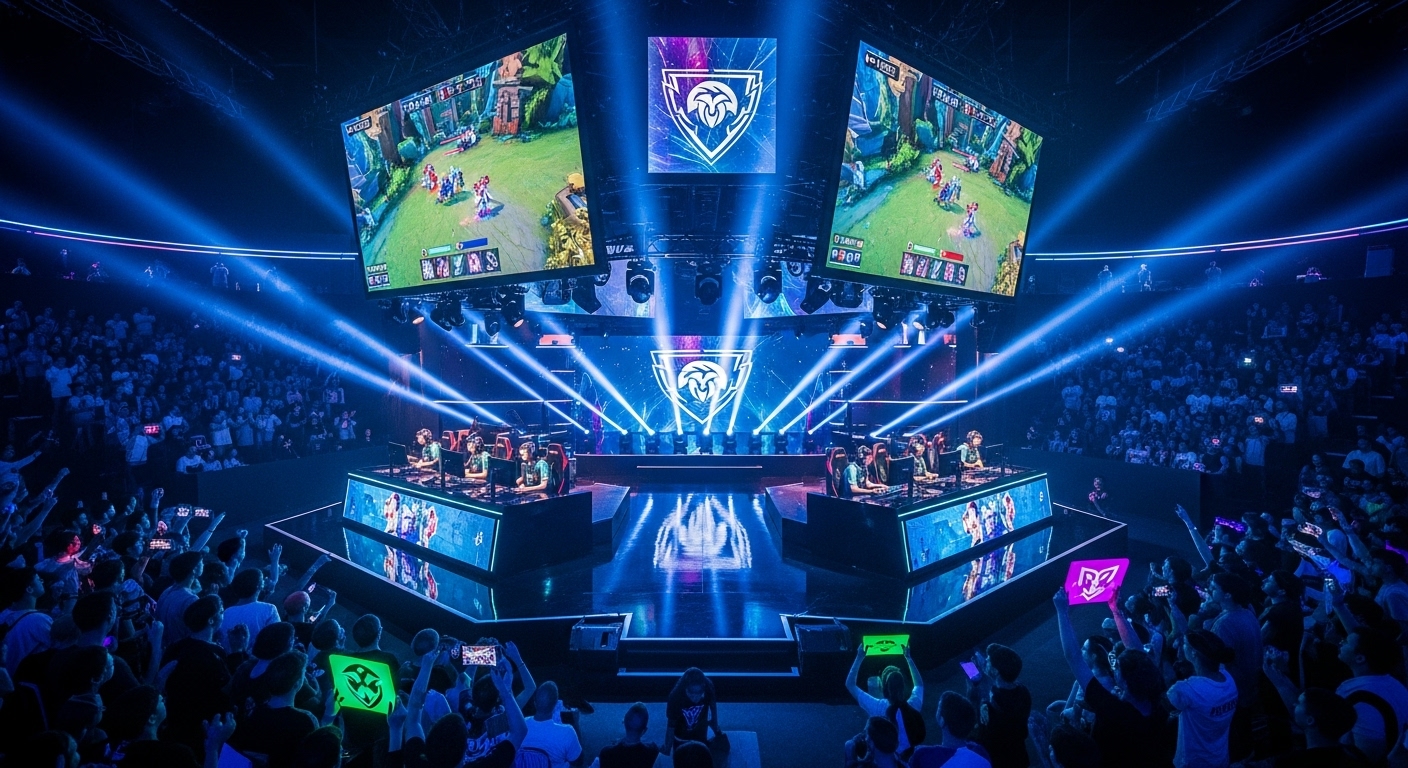
Esports tournaments have become major global events, often rivaling traditional sports in scale and production value. Events like The International for Dota 2, the League of Legends World Championship, and the Fortnite World Cup attract hundreds of thousands of live spectators and millions of online viewers. Prize pools for these tournaments can reach tens of millions of dollars, highlighting the financial stakes involved.
Beyond the competition itself, these events foster community engagement. Fans gather in arenas, online forums, and streaming platforms to cheer for their favorite teams, discuss strategies, and celebrate the culture of gaming. The atmosphere at major esports events is electric, blending elements of traditional sports, music concerts, and pop culture conventions, creating a unique form of entertainment that appeals to a broad audience.
The Cultural Impact of Esports
Esports has had a profound cultural impact, influencing how people view gaming and competition. What was once considered a pastime is now seen as a legitimate professional pursuit. Esports athletes are role models for many, inspiring younger generations to pursue their passion for gaming seriously. Social media and streaming platforms have amplified the visibility of esports stars, creating personal brands and celebrity status within the gaming community.
Esports has also influenced other forms of media. Movies, television shows, and documentaries exploring competitive gaming have gained popularity, while games themselves have become cultural touchstones. Moreover, esports has promoted inclusivity, connecting people from diverse backgrounds and regions, and fostering a sense of global community centered around shared interests.
Challenges Facing Esports
Despite its impressive growth, esports faces several challenges. One of the most significant is player burnout. Competitive gaming requires intense focus, long hours of practice, and constant travel, which can lead to physical and mental health issues. Organizations are increasingly aware of these risks, investing in wellness programs, structured practice schedules, and counseling to support players.
Another challenge is the perception of esports as a “real sport.” While esports requires skill, strategy, and teamwork, some skeptics dismiss it as mere entertainment. However, the professionalism of esports organizations, the athleticism of players, and the global audience suggest that esports is carving out its place alongside traditional sports.
Regulation and standardization are also ongoing issues. The lack of a unified governing body for esports means rules, player contracts, and tournament structures can vary widely. Efforts are being made to establish clearer guidelines, protect players’ rights, and maintain the integrity of competitions, but these remain works in progress.
The Future of Esports
The future of esports looks promising. Advances in technology, such as virtual reality, augmented reality, and cloud gaming, are likely to redefine the competitive landscape. These innovations could create more immersive experiences for both players and spectators, further bridging the gap between physical and digital sports.
Educational institutions are also beginning to recognize esports. Colleges and universities now offer scholarships for esports athletes, provide dedicated facilities, and integrate esports into academic programs. This legitimizes esports as a viable career path and encourages the development of talent pipelines for professional leagues.
As the industry matures, we can expect greater collaboration with traditional sports, media companies, and entertainment sectors. Esports is likely to continue expanding into mainstream culture, attracting more diverse audiences and establishing itself as a permanent fixture in global entertainment.
Conclusion
Esports has come a long way from its humble beginnings in arcades and college campuses. It has grown into a global phenomenon, captivating millions of players and fans, and generating billions in revenue. With professional teams, high-stakes tournaments, and a passionate community, esports has proven that competitive gaming is more than just a pastime—it is a legitimate sport, a cultural movement, and a thriving industry.
The journey of esports is still unfolding. As technology evolves and the community grows, esports will continue to push boundaries, inspire new generations, and redefine what it means to compete in the digital age. The rise of esports is a testament to the power of passion, innovation, and the universal appeal of games that bring people together, whether to play, watch, or simply be part of the phenomenon.
About the Author